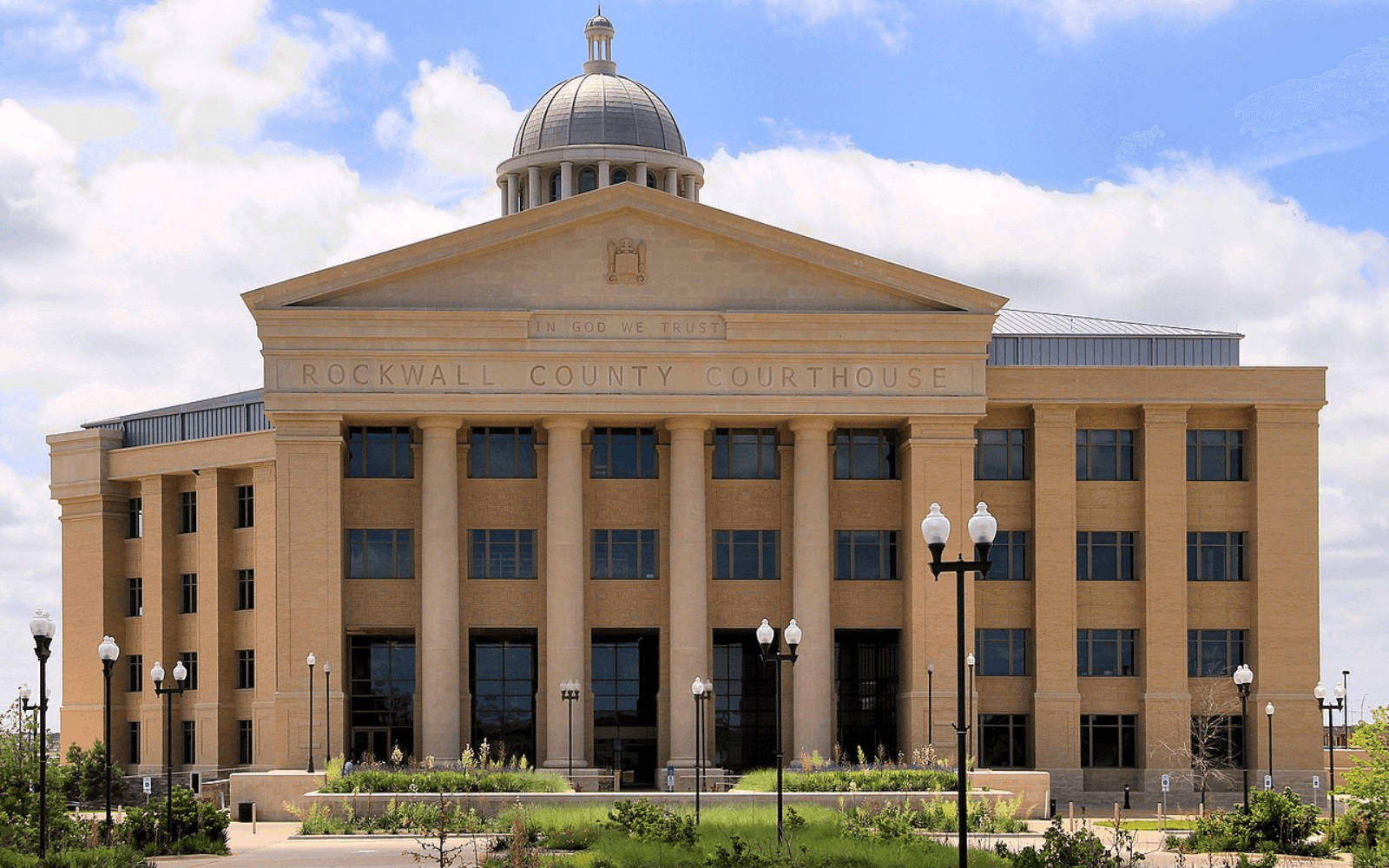
Rockwall County judge sides with homeowners in HOA parking dispute
A Rockwall County judge barred The Shores HOA from enforcing parking rules on public streets, shifting leverage to homeowners and forcing boards to recheck their covenants.
A Rockwall County judge ruled June 2 that The Shores at Lake Ray Hubbard Owners Association, Inc. could not enforce parking restrictions on public streets, and the court also declared portions of the neighborhood’s governing documents invalid and unenforceable. For homeowners in The Shores and similar Rockwall County subdivisions, the decision gives new leverage in disputes over curbside parking, fines and warning letters.
The case ran through Rockwall County Court at Law No. 1 under cause No. 1-22-0425 and involved Brandy Lutz, Dwayne Lutz and John Barfield, with the City of Rockwall also named in related litigation. The Fifth District Court of Appeals in Dallas had already issued a memorandum opinion on Jan. 21 in case No. 05-24-00717-CV, where the caption listed Janice Carson, Steve Hall, Holly Stevens, James Pulatie, Sarah Lawson and Josh King on the association side.
The practical question for homeowners is no longer abstract. If a driveway holds only one or two cars, or if a resident keeps a work truck, trailer or extra vehicle at home, the first documents to review are the recorded declaration, restrictive covenants and any parking addendum tied to the subdivision. The judge’s ruling draws a hard line between private community rules and public streets, which means boards that have treated all parking as HOA territory may need to rethink how far their enforcement powers actually reach.

That distinction is likely to matter well beyond one neighborhood. In master-planned subdivisions across Rockwall County, HOAs often use covenants to control appearance, traffic flow and parking, but Texas law limits those powers to what the community documents actually say. The Texas State Law Library’s materials on property owners’ associations and restrictive covenants point residents back to the governing documents themselves, not just a board’s preference or a management company’s enforcement letter.
The ruling may also push other subdivisions to rewrite parking language, especially where street parking is limited and many homes sit on roads that the city, not the association, owns. If the street is public, the court’s decision gives homeowners a stronger argument against HOA fines for parking there and forces boards to separate public right-of-way from private driveways before they act.
This article was produced by Prism’s automated news system from verified source data, official records, and press releases, then run through automated quality and moderation checks before publishing. The system is built and supervised by the people who set the standards it runs under. Read our full AI policy.
Did this article answer your question?