Bowdoinham economic development committee posts spring work plan materials
Bowdoinham posted a spring work plan packet that could shape TIF-funded business support, outreach and future development decisions.
Bowdoinham’s economic-development committee has put its spring playbook in front of residents, and the materials point to a more organized push that could affect local businesses, village activity and the town’s tax base later this year.
The Community Development Advisory Committee posted meeting materials on May 5 that included draft minutes from its April 1 meeting, a work plan, a working-agreements example, a factsheet for review, a Robert’s Rules example and a stakeholder outreach letter. Taken together, the packet shows the committee moving beyond routine agenda items and into the structure it will use to carry out economic-development work.
The committee lists six members: Hope Libby, Ian McConnell, who serves as secretary, Laleah Parker, Wayne Sanford, Finn Smith and Martin Szydlowski. It meets on the first Tuesday of each month at 6:30 p.m., with Yvette Meunier, the town’s director of planning and development, listed as the planning staff contact. That schedule gives residents a regular chance to see how Bowdoinham is shaping decisions before they become projects or ordinances.
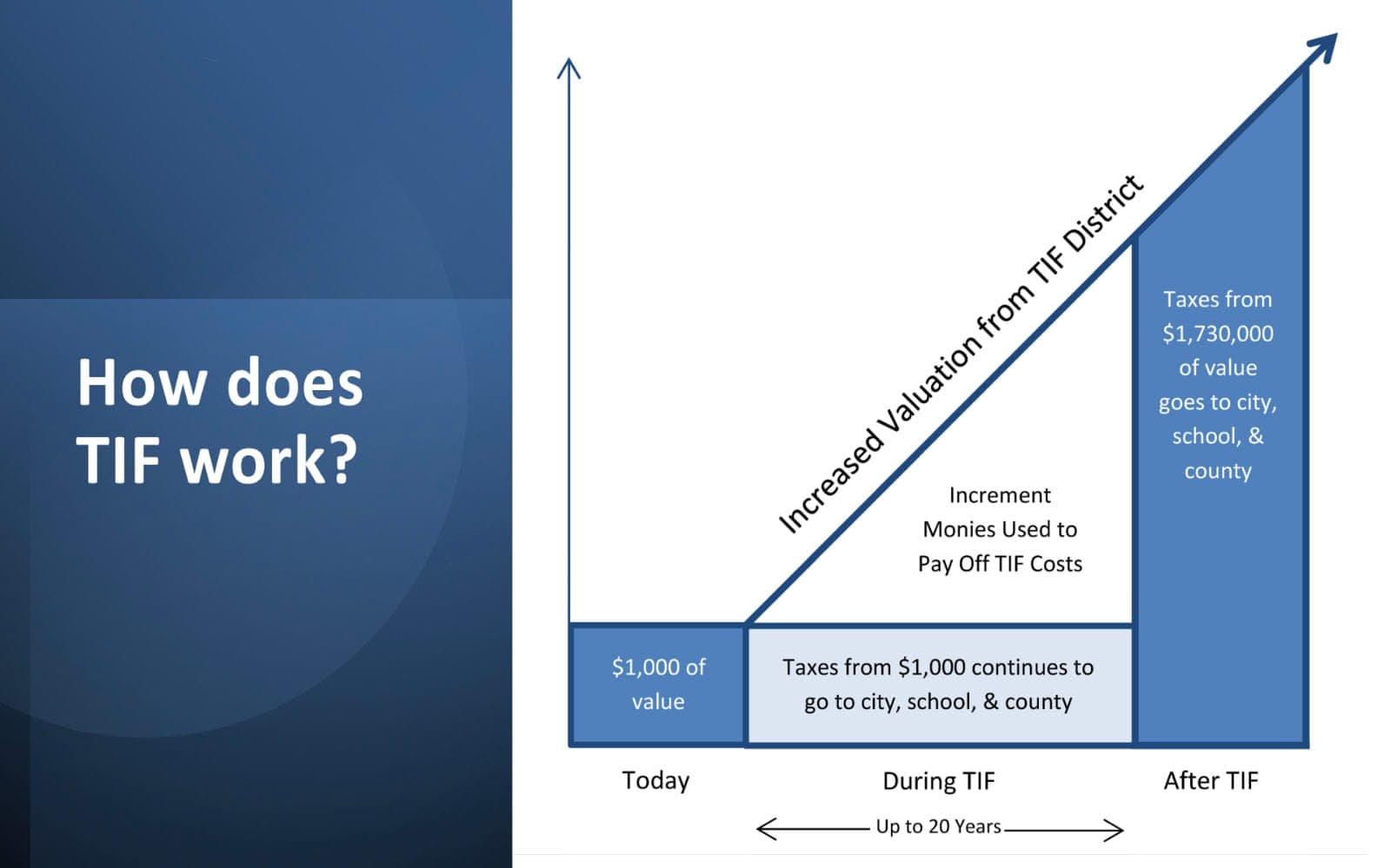
The town’s economic-development engine is already tied to tax-increment financing. Bowdoinham says its Department of Community and Economic Development is funded through two TIF districts, one approved at Town Meeting in June 2000 and amended in June 2019, and another approved in June 2014. One district draws revenue from Northeast Pipeline properties, while the other is funded by a portion of Central Maine Power Company properties in town. The town says the department’s goals are to support existing businesses, attract sustainable businesses and coordinate community-enhancing events.
That funding structure matters because Bowdoinham’s 2024 comprehensive plan says the local economy is built around small businesses, most of them home-based businesses spread throughout town. The plan’s economy goals call for more local job opportunities, stronger small business and entrepreneurship, and development that enhances the village and community. A public hearing on the plan was held Feb. 28, 2024, and Town Meeting voted on the plan June 1, 2024.
The current packet suggests Bowdoinham is now turning those broad goals into operating rules and outreach tools. The town’s planning history already includes a Walkable Village Plan from 2010 and a Waterfront Plan from 2005, and the new work plan materials show the committee trying to connect that longer planning record to the next round of decisions. Its next regular meeting would be June 2 at 6:30 p.m.
This article was produced by Prism’s automated news system from verified source data, official records, and press releases, then run through automated quality and moderation checks before publishing. The system is built and supervised by the people who set the standards it runs under. Read our full AI policy.
Know something we missed? Have a correction or additional information?
Submit a Tip