Maine leaders warn Trump shipbuilding plan could hurt Bath Iron Works
Washington's shipbuilding fight could hit Bath Iron Works' contracts, hiring and suppliers, Maine leaders warn, as a new destroyer award and a union strike add pressure.

Donald Trump’s shipbuilding plan has pushed Bath Iron Works back into a fight over where American warships are built, and Maine leaders are warning that the stakes run straight to paychecks in Bath, Sagadahoc County and along the Kennebec River. Lawmakers are raising the prospect of layoffs, weaker demand and fewer future contracts if more Navy work shifts overseas.
The clearest response has come from Maine’s delegation. On May 14, Rep. Jared Golden said he will introduce a National Defense Authorization Act amendment to block federal money from being used to produce American warships or parts of warships overseas. Sen. Angus King also objected to the Navy’s overseas warship-building proposal and raised his concerns with the acting secretary of the Navy. The issue has become more than a policy argument in Washington because it directly affects where the next destroyer hull, module or component gets built.
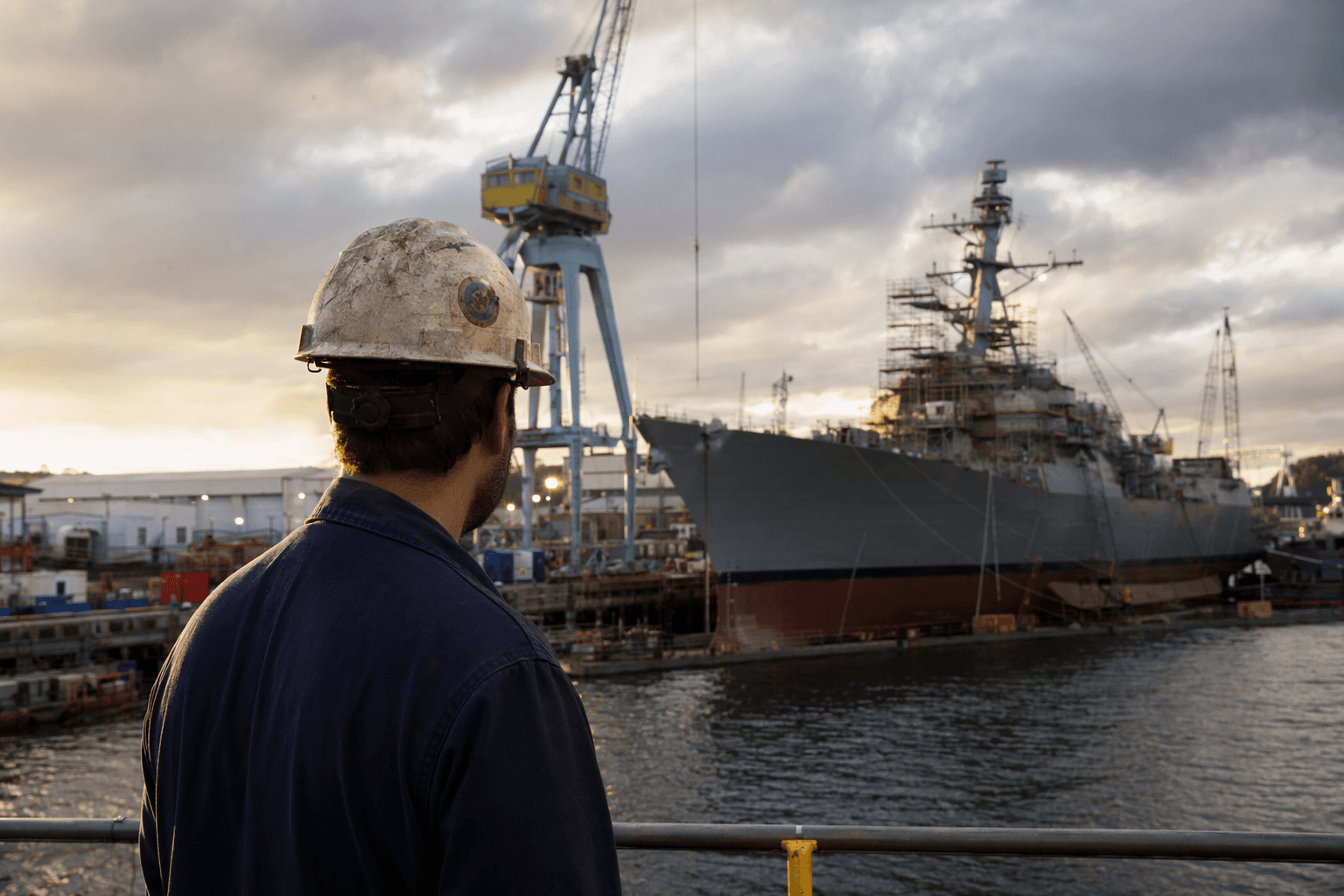
For Bath, that means the question is not abstract. Bath Iron Works depends on long-lead Navy work, and a shift in procurement could ripple through hiring, overtime, subcontracting and supplier orders long before any shipyard jobs are formally cut. If demand weakens, the pressure would show up first in the order book, then in the local supply chain, then in the number of workers needed to keep production moving.
BIW has been part of Bath’s economy for generations. The company traces its roots to a brass and iron foundry established in 1826, was incorporated as Bath Iron Works in 1884, and says it has won more than 430 shipbuilding contracts and built more than 260 military ships since Hull No. 1 was completed in 1890. General Dynamics has owned the shipyard since 1995. Recent reporting said BIW won a new DDG-51 Arleigh Burke-class destroyer contract in early May 2026, a reminder that the yard’s current workload still hinges on federal decisions made now.
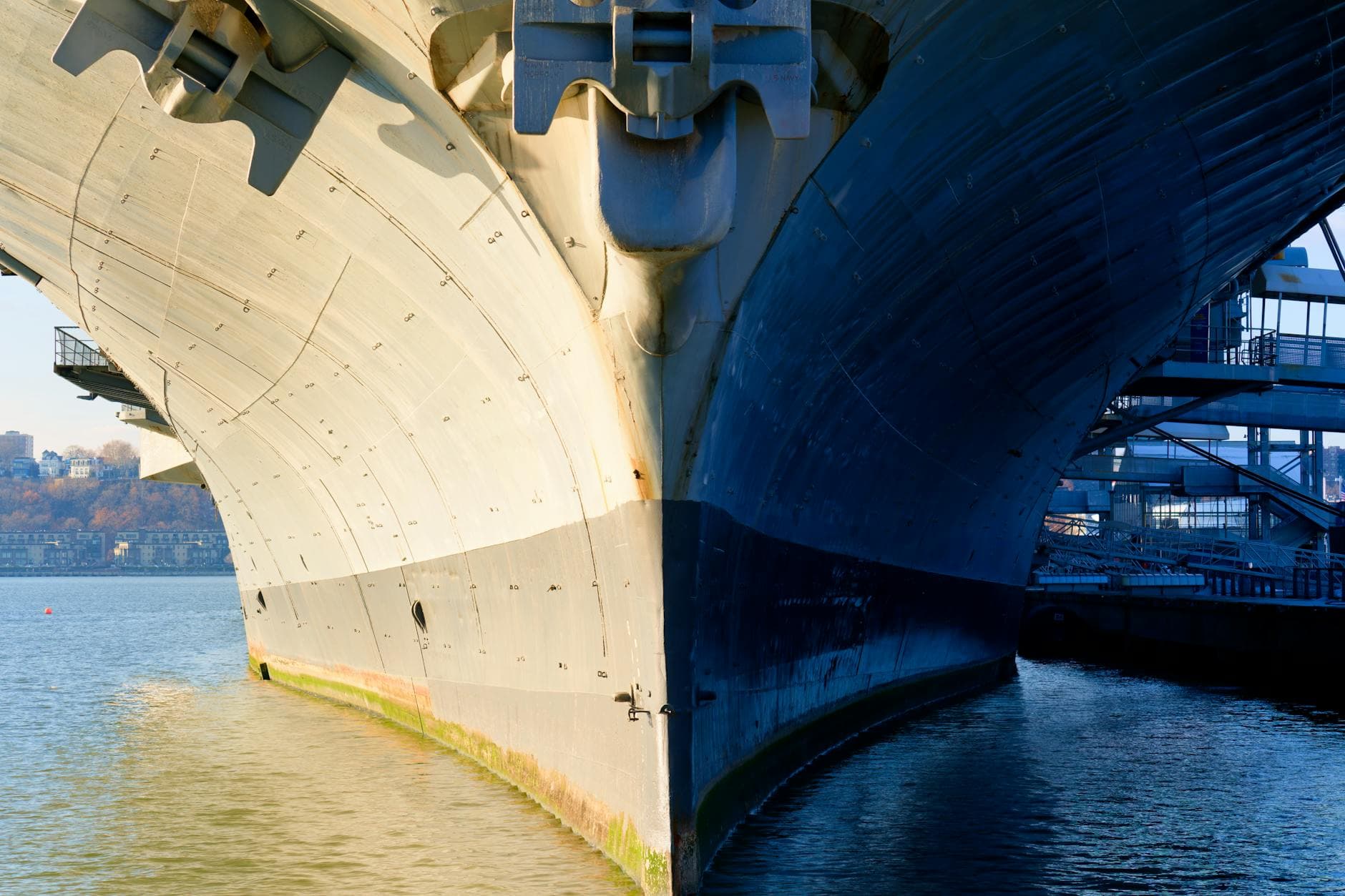
Those decisions matter far beyond Maine. Reporting tied to the May 20 coverage said at least 10 BIW-built destroyers were deployed in the Middle East amid tensions with Iran, underscoring how the yard’s output feeds directly into Navy readiness. That connection helps explain why local officials are treating the overseas-building debate as a threat to both national security and the regional economy.
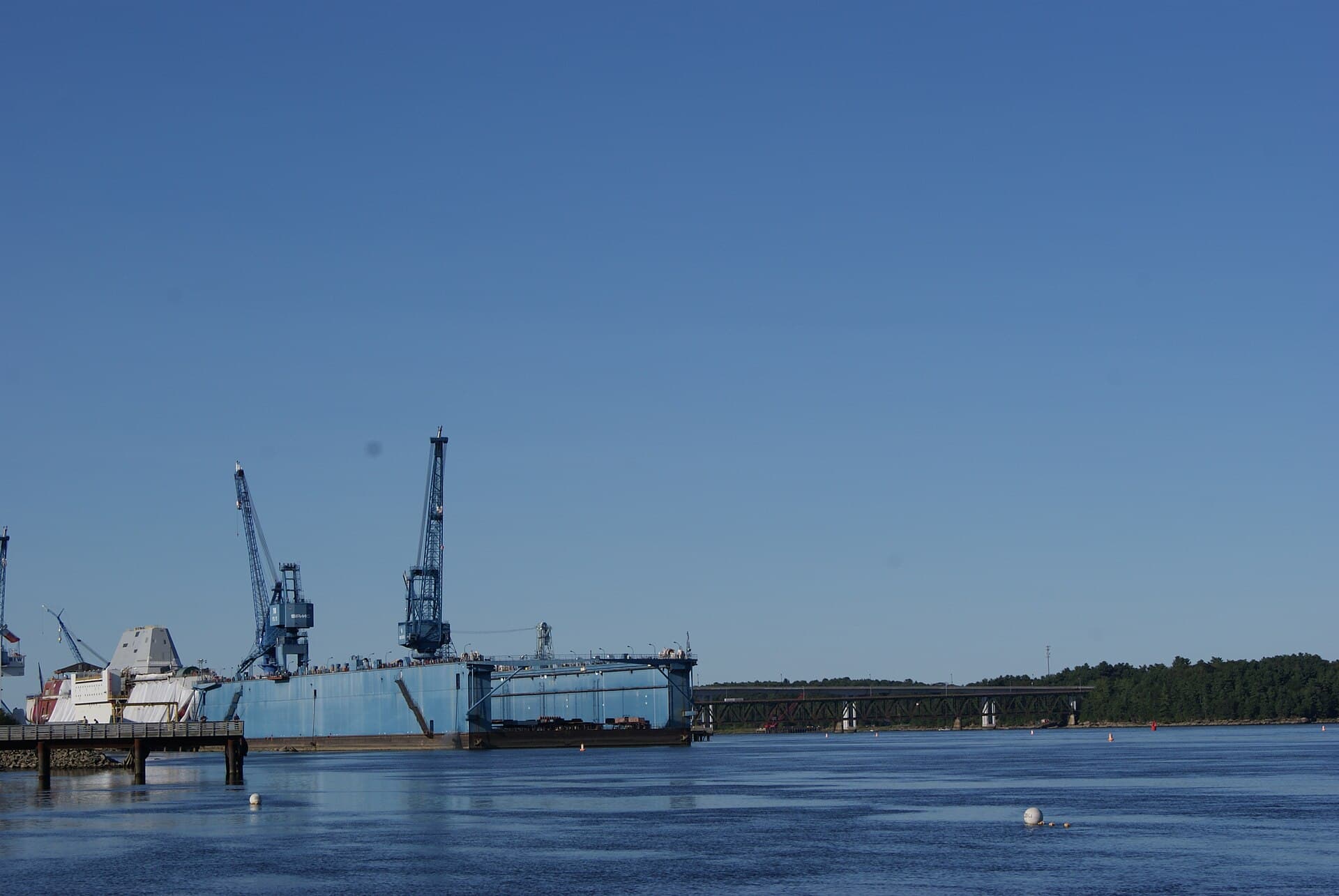
The shipyard is also under strain at home. In March 2026, more than 600 members of the Bath Marine Draftsmen’s Union went on strike after rejecting a contract offer, citing wages, affordable insurance and retirement security. That labor dispute, coming as federal shipbuilding policy is in flux, has only sharpened the uncertainty around future work in Bath.
Know something we missed? Have a correction or additional information?
Submit a Tip