Richmond voters to weigh modest tax hike, rising school costs
Richmond’s combined town and school budgets would nudge taxes higher, with health insurance, salaries and Marcia Buker repairs driving most of the school increase.
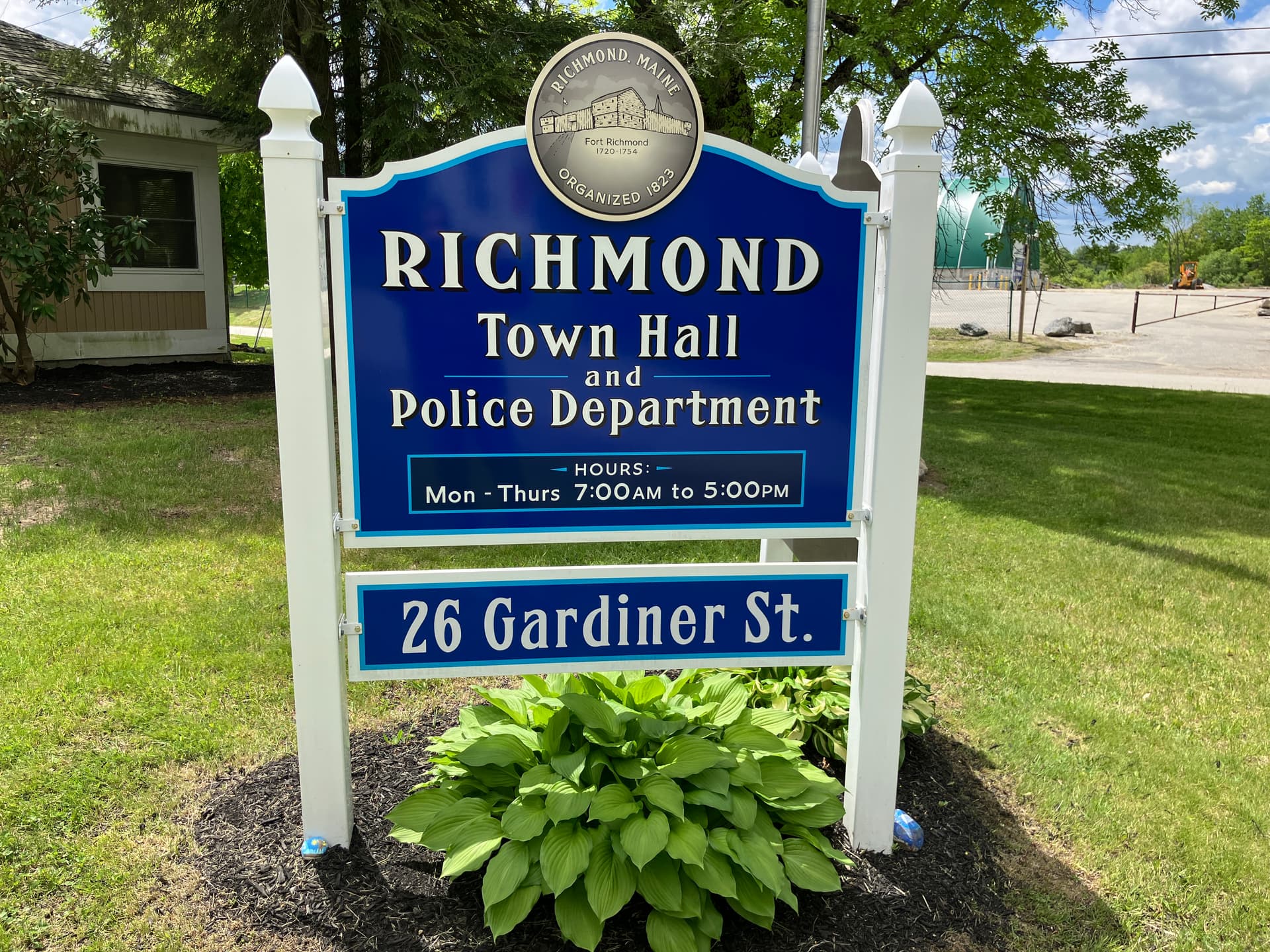
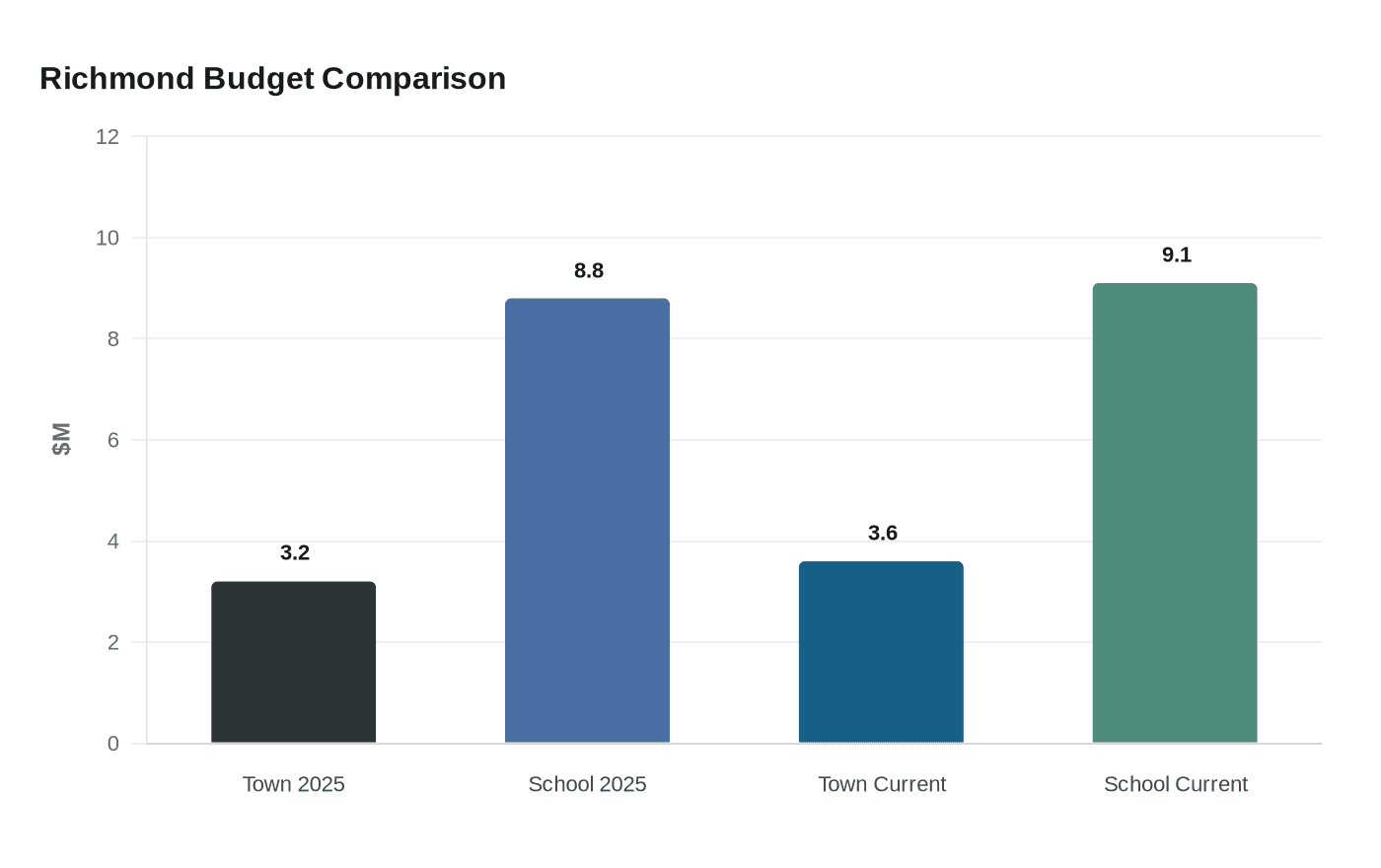
Richmond’s annual town meeting put a $3.6 million municipal budget and a $9.1 million school budget in front of voters at Richmond High School, with the combined package expected to lift the property tax rate only modestly, from $11.20 per $1,000 of assessed value to less than $12.
The school side carried most of the pressure. Spending was projected to rise by about $289,000, or 3.3 percent, as fixed costs climbed. Salary increases, an 11.3 percent jump in health insurance and repairs and replacements at the aging Marcia Buker School all pushed the budget higher, while state school aid dropped by $103,000 from the current year. That left the district leaning more heavily on local tax support even as officials tried to keep the increase contained.

The town budget package also showed how Richmond is trying to be more explicit about where money comes from and where it goes. For the first time, warrant articles identified tax increment finance revenue as part of the spending picture. The town estimated about $450,000 in TIF money for road work and another $400,000 for economic development, downtown revitalization and eligible infrastructure projects. In practical terms, that revenue helps pay for the kinds of projects that residents notice quickly, from roads to the public spaces and utility work that support growth in Downtown Richmond.
The town’s FY2027 municipal budget message, dated March 11, 2026, said the 2025 revaluation lifted some residential values while many others stayed level or declined, with commercial and corporate taxpayers seeing especially significant reductions. It also said Richmond’s new town manager had been working closely with Superintendent Chad Kempton on shared planning, facilities maintenance, information technology, recreation and education programming, a collaboration the town says helps reduce costs.
Richmond had already taken a major step on the economic development side at a special town meeting on March 18, 2026, when voters were warned to act on the Four Corners #1, Four Corners #2 and Downtown TIF district articles. The town’s January and February newsletter said the proposed districts cover the I-295 corridor, Routes 197 and 201 and surrounding areas, and are meant to support job creation, new and expanding businesses, roads and community development.
Last year’s budget vote showed how closely residents watch the tax bill. About three dozen people attended the June 3, 2025 meeting, when voters approved a $3.2 million town budget and an $8.8 million school budget, along with $950,000 from the undesignated fund balance to reduce the tax commitment. The town says the coming year’s decisions will affect road work, school upkeep and the community’s ability to keep up with fuel and operating costs across the next fiscal year.
This article was produced by Prism’s automated news system from verified source data, official records, and press releases, then run through automated quality and moderation checks before publishing. The system is built and supervised by the people who set the standards it runs under. Read our full AI policy.
Did this article answer your question?