Sagadahoc beekeepers group offers hands-on learning in Topsham
Topsham’s Sagadahoc County Beekeepers Association gives new and experienced keepers a monthly place to swap hive advice, mentor matches and seasonal Maine know-how.
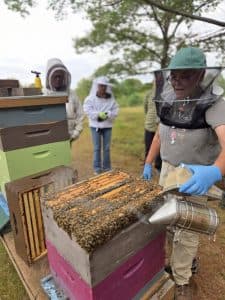
The Sagadahoc County Beekeepers Association turns a room at the Topsham Grange Hall into a year-round learning spot for anyone trying to keep honey bees healthy in Sagadahoc County. The group meets at 47 Pleasant St. in Topsham on the second Wednesday of every month, with doors opening at 6 p.m. for refreshments and conversation, the business meeting starting at 6:30 p.m., and guest speakers usually following at 7 p.m. from September through May.
What happens at a meeting
That format matters because it is built for hands-on exchange, not just a lecture. June, July and August meetings switch from speakers to roundtable discussions, which lets keepers compare what is happening in their hives right now, from brood patterns to food stores to signs of stress in the field. The association describes the meetings as both social and educational, and that mix gives first-timers a way in without feeling as if they need years of experience before walking through the door.
The group also says it offers mentor matching for novices, a practical feature for anyone with a first hive, a swarm on the property line, or an uncertain plan for winter. In beekeeping, that sort of local help can matter as much as the formal program, because what works in a warmer region or a different landscape does not always translate to coastal and inland Midcoast Maine.
What you can actually use as a beginner
The association’s membership page is explicit about the kinds of questions local beekeepers face. It points to swarming, winter preparation, feeding bees, nectar sources and colony management as the sort of issues where local knowledge is essential. That is useful for gardeners and backyard keepers because those questions show up at the exact moments when a hive can turn from promising to precarious, especially when a colony is building up in spring or trying to make it through a Maine cold snap.
For someone thinking about a first hive, the membership structure gives a practical roadmap. The association welcomes residents of Sagadahoc and adjacent counties who are already keeping bees or are just thinking about it, so the entry point is not limited to veteran apiarists. You can come in with a notebook full of questions, then use the monthly meetings to figure out whether your yard, your schedule and your appetite for seasonal work match the realities of keeping bees.
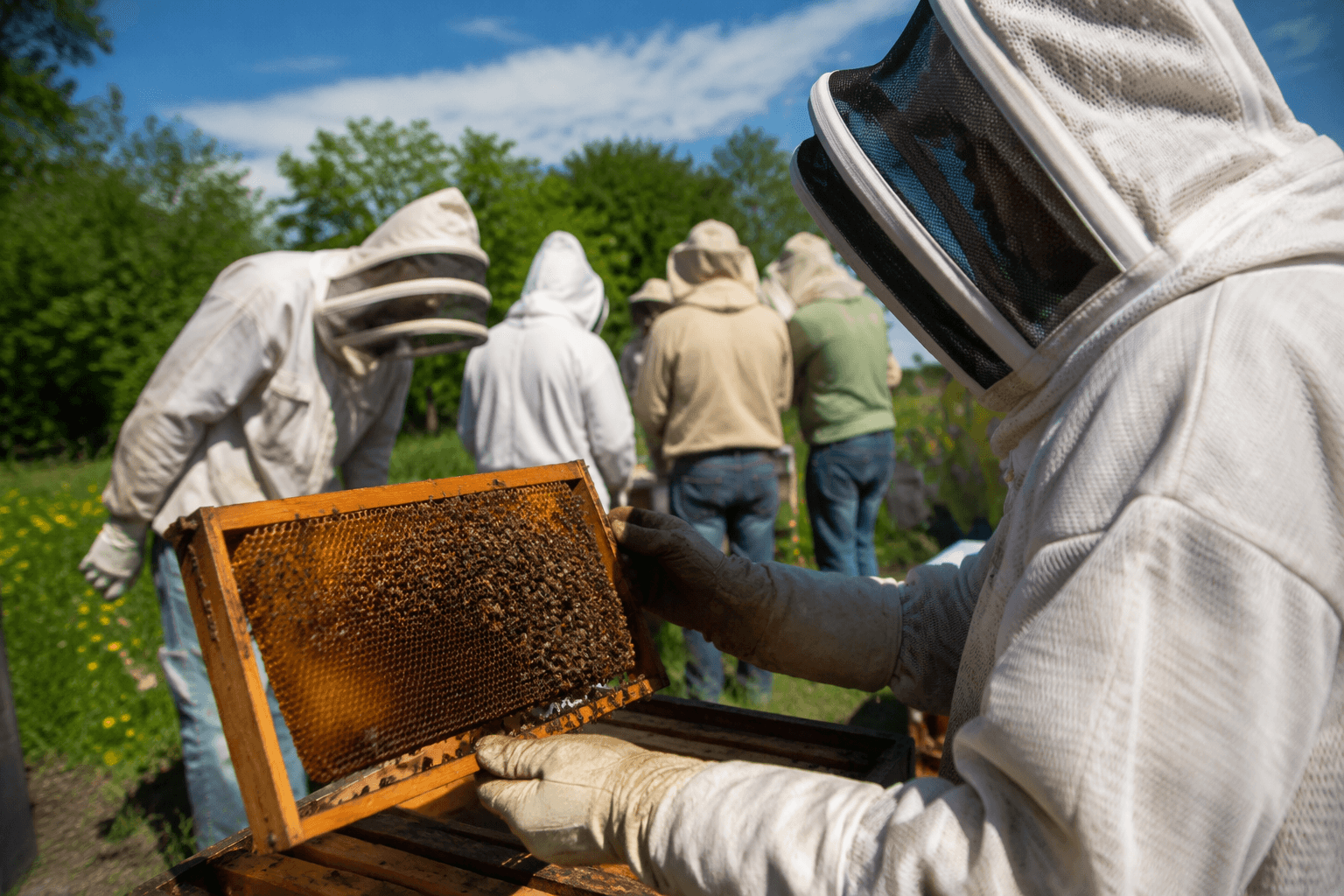
Its links page adds another layer of utility by steering members toward Maine State Beekeepers Association resources, including suppliers of beekeeping equipment, queens, honey bee packages and nucs. That matters because the first purchase decisions often shape how smoothly a new apiary starts, and local availability can affect whether a beginner gets set up in time for a season that is already moving quickly.
Why Sagadahoc County should care
This is not just a hobby club in a single town hall. In Bath, Brunswick and Topsham, bees are part of the same landscape that supports vegetable gardens, small farms, orchards and backyard pollinator plantings. A local group that helps keep colonies healthy can have visible spillover in better fruit set, stronger garden yields and more reliable honey production from small-scale apiaries scattered across the county.
That local role is easier to see when you place it against Maine’s beekeeping profile. The 2023/2024 Maine Honeybee Survey received responses from 293 beekeepers representing 2,150 hives. Of those respondents, 97.3% identified as backyard or hobby beekeepers with fewer than 30 hives, 95.6% had their apiaries registered with the state of Maine, 74.4% belonged to a beekeeping organization, and the average respondent reported 8.1 years of beekeeping experience. The following 2024/2025 survey showed the same broad pattern at a larger scale, with 424 beekeepers representing 4,029 hives responding, 98.3% identifying as backyard or hobby keepers, 95.0% reporting state apiary registration and 72.3% belonging to a beekeeping organization.
Those numbers show why local clubs remain central to Maine beekeeping. The state’s hive network is dominated by smaller operations, not large commercial yards, so practical advice often travels best through neighbor-to-neighbor channels. In that setting, a monthly meeting in Topsham can be more than a calendar entry. It becomes part of the infrastructure that keeps small colonies moving through spring buildup, summer forage, fall preparation and winter survival.
A colder-climate job, not a generic one
Maine beekeeping also carries its own climate demands. University of Maine Cooperative Extension beekeeping resources and cold-climate materials underline that establishing colonies and managing them through winter require specific local judgment, not just general advice from outside the region. That is one reason the Sagadahoc group’s mix of meetings, roundtables and mentor matching fits the state so well: it is built around decisions that change with the season and with the weather.
The pressure on colonies makes that local knowledge even more relevant. In February 2025, the Honey Bee Health Coalition said a nationwide survey found commercial beekeepers reporting average losses of 62% between June 2024 and February 2025, a level it described as beyond historical trends. Even though that figure focused on commercial operations, it is a reminder that colony health is under strain nationally, and that every local source of practical advice carries more weight when losses rise and conditions stay unpredictable.
A local network with statewide reach
The Sagadahoc County Beekeepers Association sits in a broader Maine network that includes the Maine State Beekeepers Association, Eastern Apicultural Society, Maine Bee Wellness and the state apiary system. For a resident in Bath, Brunswick or Topsham, the value of that network is simple: it makes beekeeping less solitary and more workable.
If you are starting out, the association’s monthly cycle gives you a place to ask how to avoid a swarm, when to finish winter prep, whether your bees need feeding and where local nectar sources are strongest. If you already keep bees, it gives you a place to compare notes on hive health, equipment and honey production with people who are dealing with the same weather, the same bloom windows and the same Midcoast Maine seasons.
This article was produced by Prism’s automated news system from verified source data, official records, and press releases, then run through automated quality and moderation checks before publishing. The system is built and supervised by the people who set the standards it runs under. Read our full AI policy.
Did this article answer your question?