Sagadahoc Preservation uses concerts to support historic buildings in Bath
Concerts at Sagadahoc Preservation turn Bath’s historic buildings into places to gather, not just admire. Membership perks, arts funding and planned giving keep the rooms active.
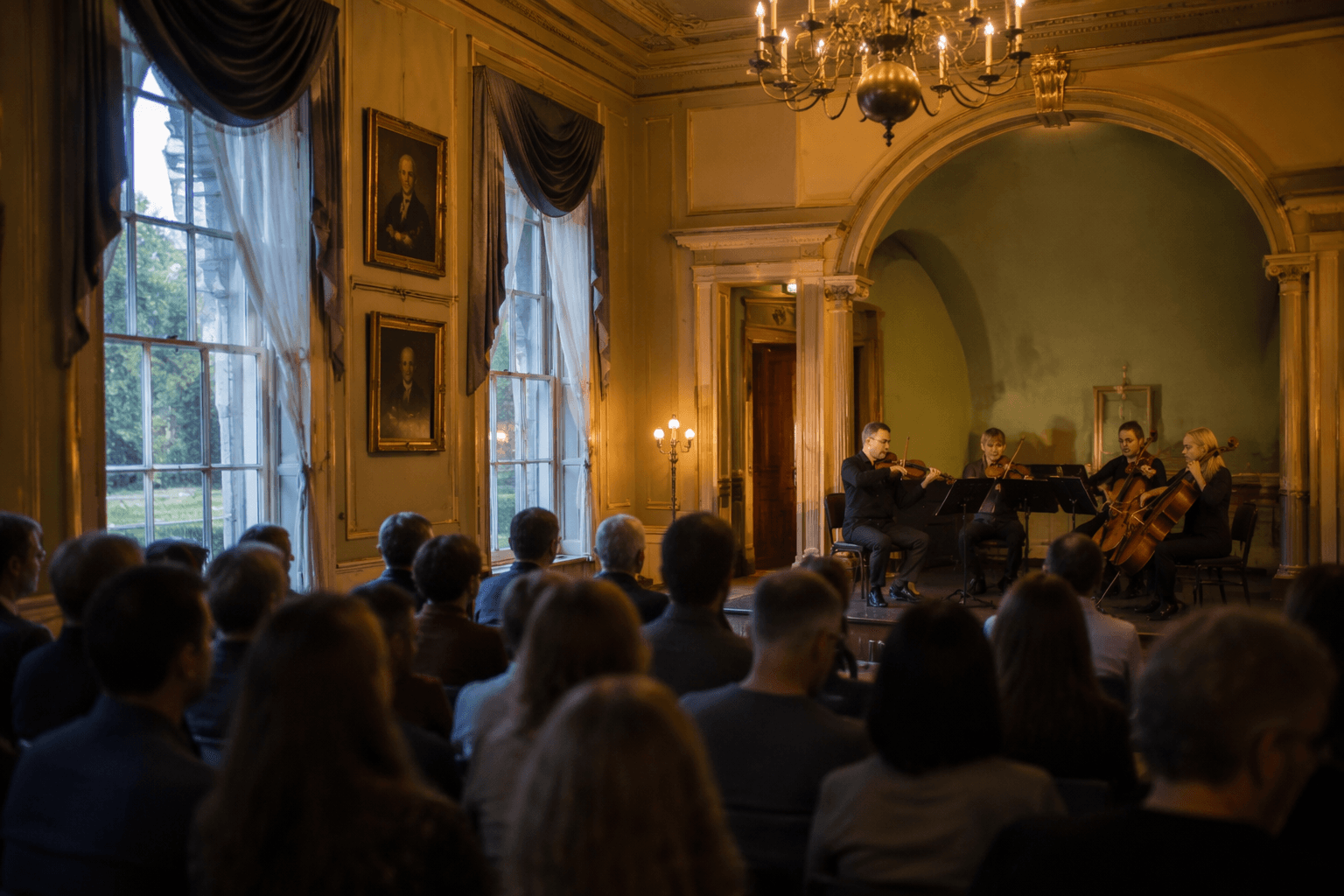
At the Winter Street Center, Sagadahoc Preservation is trying to make Bath’s past feel immediate: a concert, a crowd, a room full of people who came for music and leave with a stronger sense of place. Listings such as Baltimore Consort in Concert show how the group uses live programming to pull residents and visitors into historic spaces instead of leaving preservation as something to read about from a distance.
Concerts turn preservation into something people can enter
Sagadahoc Preservation says its work is dedicated to “the preservation of buildings possessing architectural and historic merit in Sagadahoc County, Maine” and to educating the public. Its events page gives that mission a public face through concerts and other gatherings that people can actually attend, tying heritage to a live experience rather than a museum label.
The concert series is supported in part by the Maine Arts Commission, which receives support in part from the National Endowment for the Arts, a federal agency. That funding trail matters because it shows the performances are part of a wider arts infrastructure, not just a one-off calendar listing. In a county where historic buildings are woven into daily life, that kind of support helps keep preservation visible in the same places where people meet, listen and linger.
The real purpose is access, safety and use
The group’s about page puts the practical side of the work in plain language: “Phase 1 - Safety and accessibility upgrades.” It also says, “Envision these buildings full of people enjoying the best of Bath, Maine. Let’s make it happen.” That language makes clear that the concerts are not only about atmosphere; they are part of a plan to make preserved buildings usable by more people.
That emphasis on access gives the programming a social dimension. Historic buildings only serve the community if people can enter them comfortably and safely, and if the spaces feel welcoming enough to host concerts, lectures and other gatherings. In that sense, the music is doing double duty: drawing a crowd while helping preservation stay grounded in everyday civic life.
Membership is built around repeat visits
Sagadahoc Preservation’s membership page shows how the organization tries to turn a single concert into a longer relationship. Members get priority seating for all concerts, members-only receptions before each concert at 6 p.m., and advance notice of concerts, lectures and special events.
Those benefits are a small but important clue to how the group builds community around historic spaces. Priority seating rewards regular attendance, the 6 p.m. receptions create a social hour before the music starts, and advance notice gives supporters a reason to keep an eye on what comes next. Instead of treating preservation as a one-time donation or an annual membership card, the organization uses programming to keep people coming back into the buildings.
Bath’s history gives the concerts local weight
The setting is not generic, and that is part of the appeal. The Advisory Council on Historic Preservation says Bath, Maine has a population of 10,000, its maritime history dates to 1607, and Bath Iron Works was founded in 1884. Those facts help explain why concerts in preserved spaces land differently here than they might in a town with a thinner sense of its own past.
Bath’s built environment is not confined to one landmark or one institution, either. The Maine Historic Preservation Commission says the Topsham Historic District in Sagadahoc County includes fifty-eight buildings and represents roughly 150 years of architectural styles. Together, Bath and Topsham show a county where preservation is not an abstract civic slogan; it is a visible part of the street grid, the waterfront and the surrounding towns.
That context also gives the programming a broader reach. When a concert series sits inside a county with deep maritime roots and a substantial historic building stock, the event becomes a way to move between memory and use in real time. People come for the music, but they are also entering a landscape shaped by shipbuilding, river commerce and the long life of older structures.
Where support goes and how it ties back to the buildings
The donation page says planned giving will help Sagadahoc Preservation meet its current and long-term commitments to historic preservation and education, including maintenance and restoration of the Winter Street Center. The same page lists the center at 880 Washington St., Bath, ME 04530, giving donors and visitors a specific place to associate with the work.
The page also lists the organization’s EIN as 23-7117044, a useful detail for anyone handling charitable giving or recordkeeping. More importantly, it shows that the concerts, the educational mission and the building upkeep are all connected. The music is not floating free of the preservation project; it helps animate the very spaces that the organization is trying to keep in use.
For Bath and the wider county, that is the practical value of Sagadahoc Preservation’s events page. It points people toward a live experience inside a historic setting, links that experience to arts funding and accessibility work, and keeps attention on a building stock that still defines the local landscape. In a place where history is already visible, the concerts make it audible too.
This article was produced by Prism’s automated news system from verified source data, official records, and press releases, then run through automated quality and moderation checks before publishing. The system is built and supervised by the people who set the standards it runs under. Read our full AI policy.
Did this article answer your question?