Woolwich paddle and meadow walk to explore Nequasset Lake wildlife
A July 16 paddle at Nequasset Lake will pair a short guided outing with rare access to a private grassland bird meadow. KELT staff and Ag Allies volunteers will lead it.
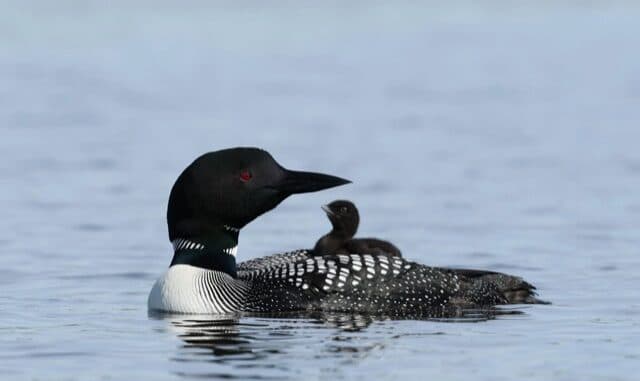
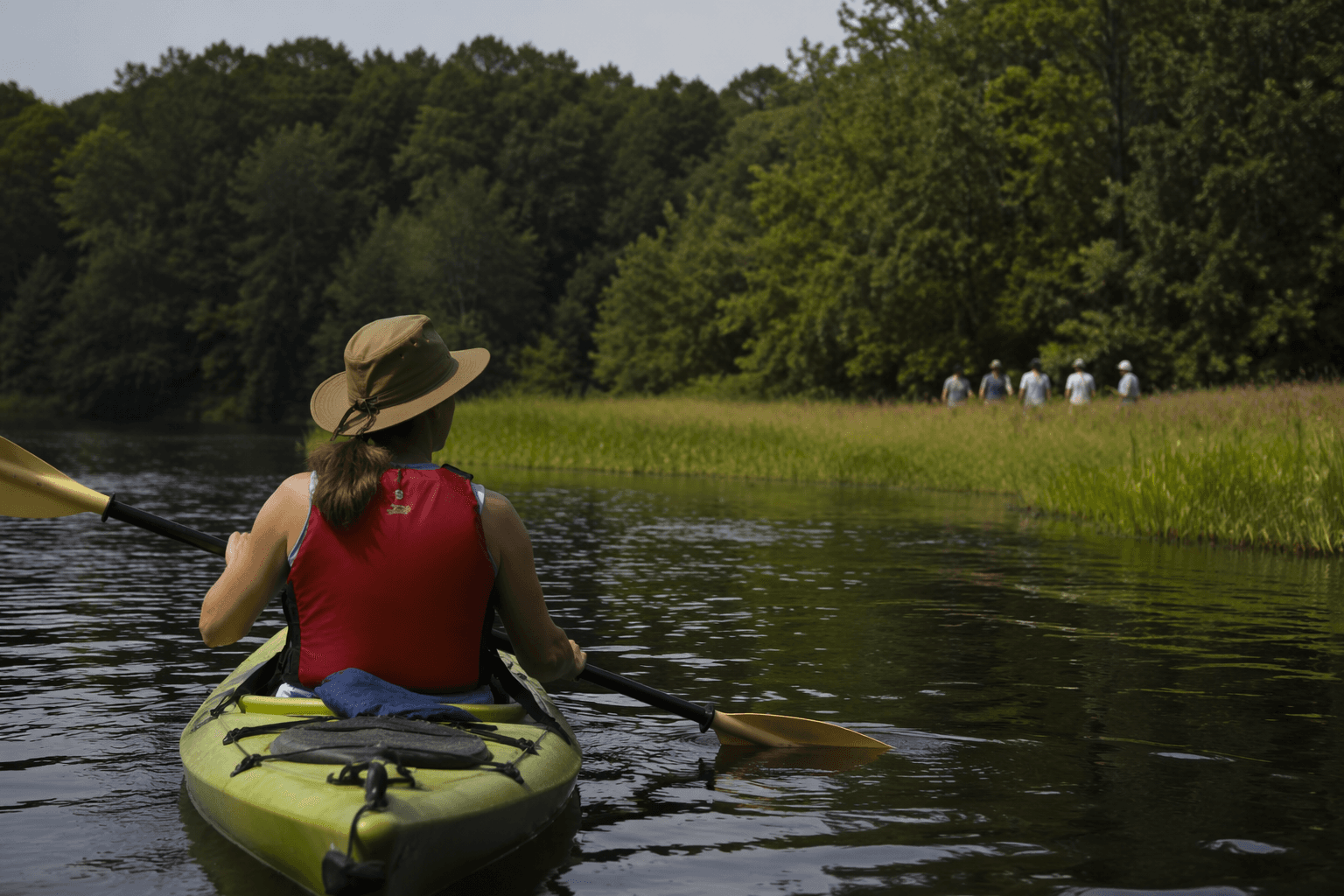
A guided paddle at Nequasset Lake will give Woolwich residents a rare look at a private grassland bird meadow on Thursday, July 16, from 9 a.m. to noon. KELT staff and Ag Allies volunteers will lead the outing, which is described as a short route open to paddlers of all skill levels.
The program combines two pieces of access that are not often bundled together in Sagadahoc County: a water trip on Nequasset Lake and a walk through habitat that is normally off-limits. Along the way, participants may see birds and other wildlife tied to the lake, estuary and grassland environment, turning a summer recreation outing into a close-up view of local conservation work.
The Kennebec Estuary Land Trust says it currently owns 1,759 acres of conservation land, and describes the Kennebec Estuary as a link between Gulf of Maine waters and uplands draining nearly 8,000 square miles in Maine and New Hampshire. At Nequasset, the trust says the fish that spawn in the lake have supported an historic alewife fishery at the Nequasset Dam site for hundreds of years, and that counting those fish helps keep the run healthy and sustainable.
KELT says volunteers of all ages can help count alewives, and that the work takes two hours or less. That community-science approach fits the broader conservation message behind the July 16 trip, which puts the lake, the meadow and the species that rely on them in the same frame.
The grassland bird side of the program is aimed squarely at a species facing steep pressure. KELT says bobolinks declined by more than 2% per year between 1966 and 2015 and are listed in Maine as a Species of Greatest Conservation Need. Maine Audubon says bobolinks and other grassland birds declined 53% between 1970 and 2019, while Ag Allies says its mission is to protect Maine’s at-risk grassland birds by conserving and enhancing nesting habitat across working and non-working landscapes.
Maine Audubon says Ag Allies programs help farmers and others learn how to improve field habitat for breeding birds and enroll in the effort. For people in Woolwich and across Sagadahoc County, the Nequasset outing offers a chance to see that work in person, not just read about it.
This article was produced by Prism’s automated news system from verified source data, official records, and press releases, then run through automated quality and moderation checks before publishing. The system is built and supervised by the people who set the standards it runs under. Read our full AI policy.
Did this article answer your question?