1015 Folsom owner Ira Sandler dies at 73, SoMa mourns
Ira Sandler, the owner who turned 1015 Folsom into a SoMa anchor, died at 73. Tributes quickly pointed to a bigger question: what still fits in San Francisco after-hours culture?
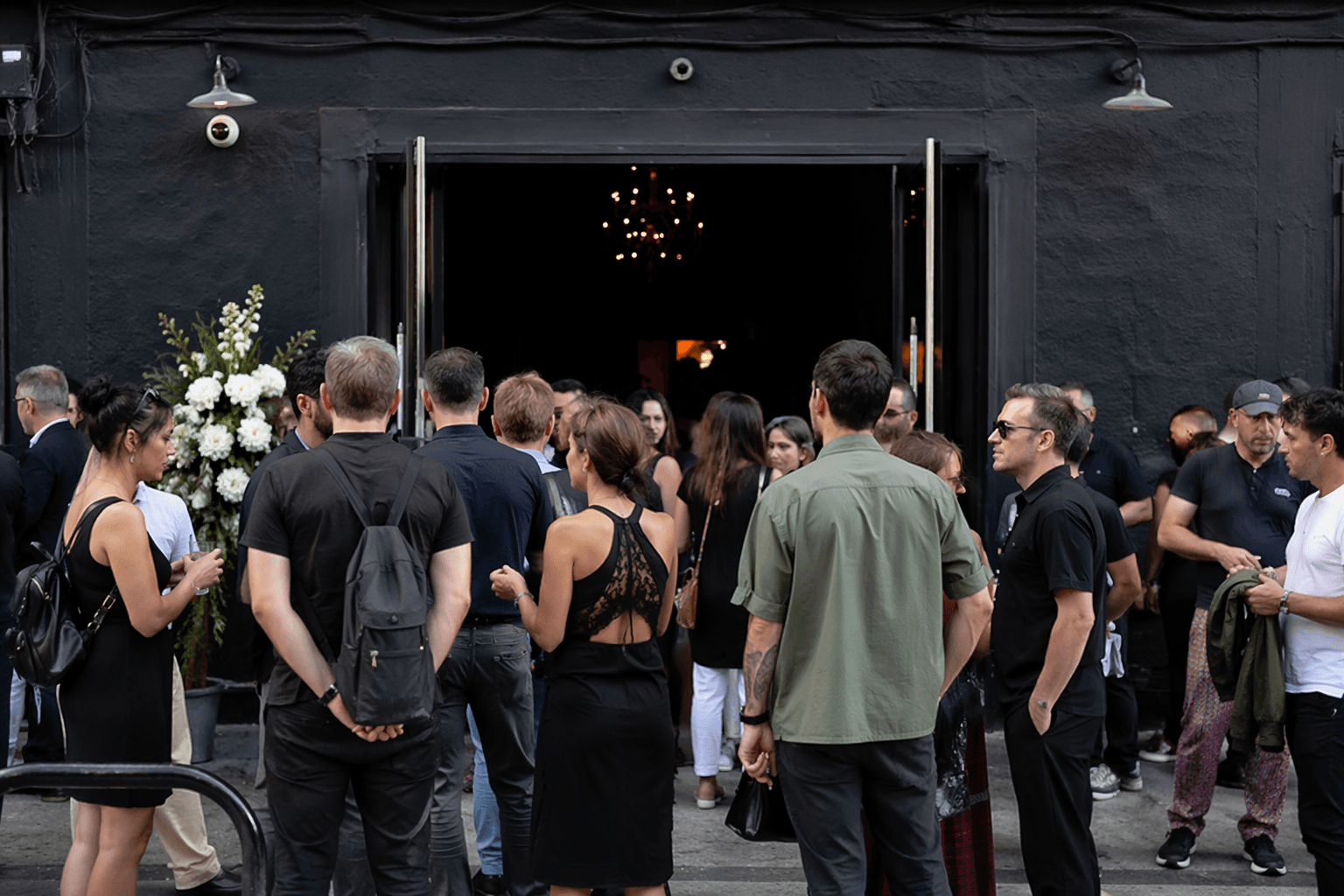
Ira Sandler, the longtime owner of 1015 Folsom and one of the most recognizable figures in San Francisco’s club scene, died at 73, setting off an immediate wave of tributes from promoters, DJs and regulars who had treated the SoMa venue as more than a place to dance.
1015 Folsom announced Sandler’s death and described him as its “beloved friend, brother and impresario.” DJ Dials wrote that Sandler left a permanent mark on San Francisco culture and said a celebration of life would follow. No public cause of death was announced with the club’s statement, though Yolanda Edwards said on Instagram that she had been told he died of a heart attack.
Sandler’s name was tied to 1015 for nearly four decades. The club says he took over the space in 1986, ran it as Das Klub, then bought and relaunched it as 1015 Folsom in 1989, just days before the Loma Prieta earthquake. From there, the venue became one of SoMa’s defining nightlife addresses, a 20,000-square-foot complex spread across three levels and five rooms that the club says helped make it San Francisco’s largest 21-and-over venue.
The club’s own history places Sandler at the center of a wider electronic-music ecosystem that stretched well beyond one dance floor. In the 1990s, 1015 said it was one of the only nightclubs outside New York and Chicago featuring electronic music, and weekly parties such as Spundae and Release helped launch careers for Tiësto, Paul Van Dyk and Carl Cox. The venue also became a gathering place for the city’s creative and queer communities.
Sandler’s influence reached beyond programming into the mechanics of keeping a nightclub alive in a changing district. Mixonline reported that 1015 upgraded its sound system in 2025 because the surrounding neighborhood had seen substantial residential development, a reminder that SoMa’s nightlife now shares blocks with far more people trying to sleep. The same report said Sandler met sound engineer Michael Lacina in 1983, when Sandler called him for a party at the Art Institute of San Francisco featuring Romeo Void.
1015’s survival through repeated scrutiny has also shaped its reputation. The San Francisco Chronicle previously reported a 1999 police administrative hearing that threatened the club’s entertainment permits, followed by a 2003 effort by the state alcohol agency to revoke its liquor license after a five-month undercover investigation. Sandler kept the venue moving through those fights, through changing tastes and through a neighborhood that has kept evolving around it.
His death leaves SoMa without one of the people who most directly connected the district’s clubs, promoters and artists across generations. The question now is whether San Francisco still makes room for the kind of after-hours culture Sandler helped build, or whether that scene survives only in the memory of the people who kept it alive.
This article was produced by Prism’s automated news system from verified source data, official records, and press releases, then run through automated quality and moderation checks before publishing. The system is built and supervised by the people who set the standards it runs under. Read our full AI policy.
Know something we missed? Have a correction or additional information?
Submit a Tip