AI cameras track gray whales in San Francisco Bay to prevent collisions
Gray whales are turning up in San Francisco Bay, and new AI cameras on a ferry and Angel Island are trying to spot their blows before a ship does.

Gray whales are slipping into San Francisco Bay in larger numbers, and new AI cameras went live in May to catch their blows before ferry traffic, cargo vessels or other mariners do. The system uses thermal imaging to detect the whales’ heat signatures at up to four nautical miles, or about 7 kilometers, then sends alerts so boats can slow down or re-route.
UC Santa Barbara’s Benioff Ocean Science Laboratory led the project with the U.S. Coast Guard’s Vessel Traffic Service and The Marine Mammal Center, with WhaleSpotter technology built into the alert system. Detections are reviewed by credentialed marine mammal specialists before warnings go out. Bay-area ferry operators, including SF Bay Ferry, are part of the effort, and the cameras include equipment mounted on a ferry and on Angel Island.
May is the peak of gray whale season in the bay. The whales are taking unusual detours into San Francisco Bay, likely because food in the Arctic has become scarcer as conditions shift with climate change. Gray whales normally make a roughly 12,000-mile round trip between Alaska feeding grounds and Mexican birthing lagoons, but they do not usually enter the bay.
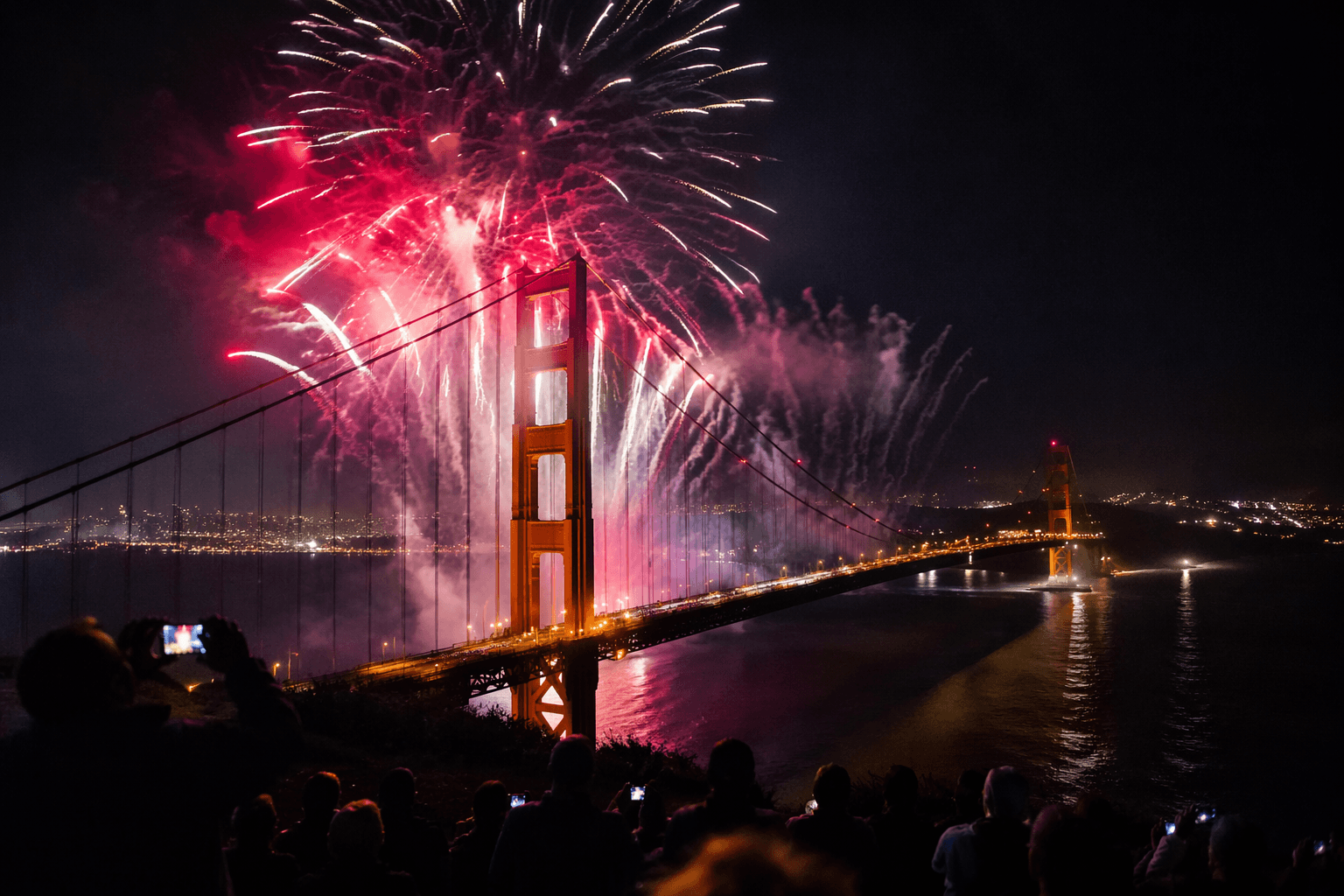
The Golden Gate Strait is a bottleneck for both whales and vessel traffic, and gray whales are hard to spot in San Francisco Bay’s frequent fog because of their low profile at the surface.

A Frontiers in Marine Science report published in April 2026 found that 114 individually identified gray whales entered San Francisco Bay between 2018 and 2025, and 21 were later found dead, a minimum mortality rate of 18%. The same study found many of those deaths were caused by vessel strikes, while some were linked to starvation. A University of California report found seven whales had already been found dead in 2026 by May, several of them struck by vessels.
Scientists have also tracked at least 16 individual gray whales in the bay this year, and two stayed more than 100 days. The monitoring network also includes acoustic buoys that detect whale sounds.
This article was produced by Prism’s automated news system from verified source data, official records, and press releases, then run through automated quality and moderation checks before publishing. The system is built and supervised by the people who set the standards it runs under. Read our full AI policy.
Did this article answer your question?