AI whale tracker launches in San Francisco Bay to avert ship strikes
A new AI network is scanning San Francisco Bay for whale blows and heat, giving ferries and cargo ships time to slow or reroute before strikes.

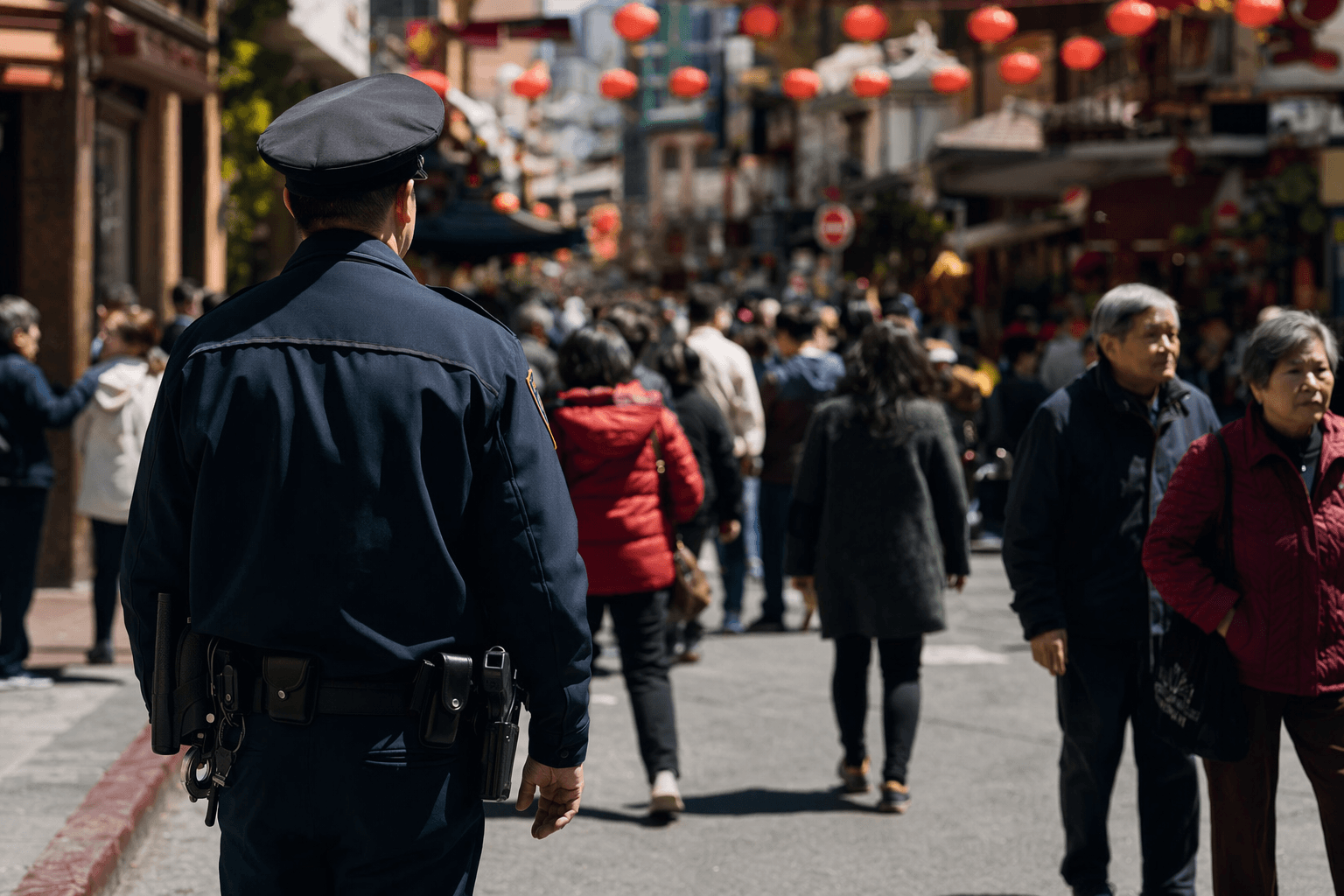
Ships moving through San Francisco Bay now have a new warning system watching for one of the region’s deadliest hazards: gray whales surfacing in fog near ferry lanes, the Golden Gate Strait and the city’s busiest waterfront corridors. WhaleSpotter went live this week with the goal of spotting whales early enough to change ship speed or course before a strike happens.
The system scans the bay around the clock for whale blows and heat signatures up to 2 nautical miles away, using thermal cameras and artificial intelligence to detect animals as far as 7 kilometers from shore or deck. The first camera is mounted on a radio tower on Angel Island, and a second is planned for a passenger ferry. Officials also say future sites could include the Golden Gate Bridge and Alcatraz, which would extend coverage over some of the most heavily traveled water in San Francisco Bay.
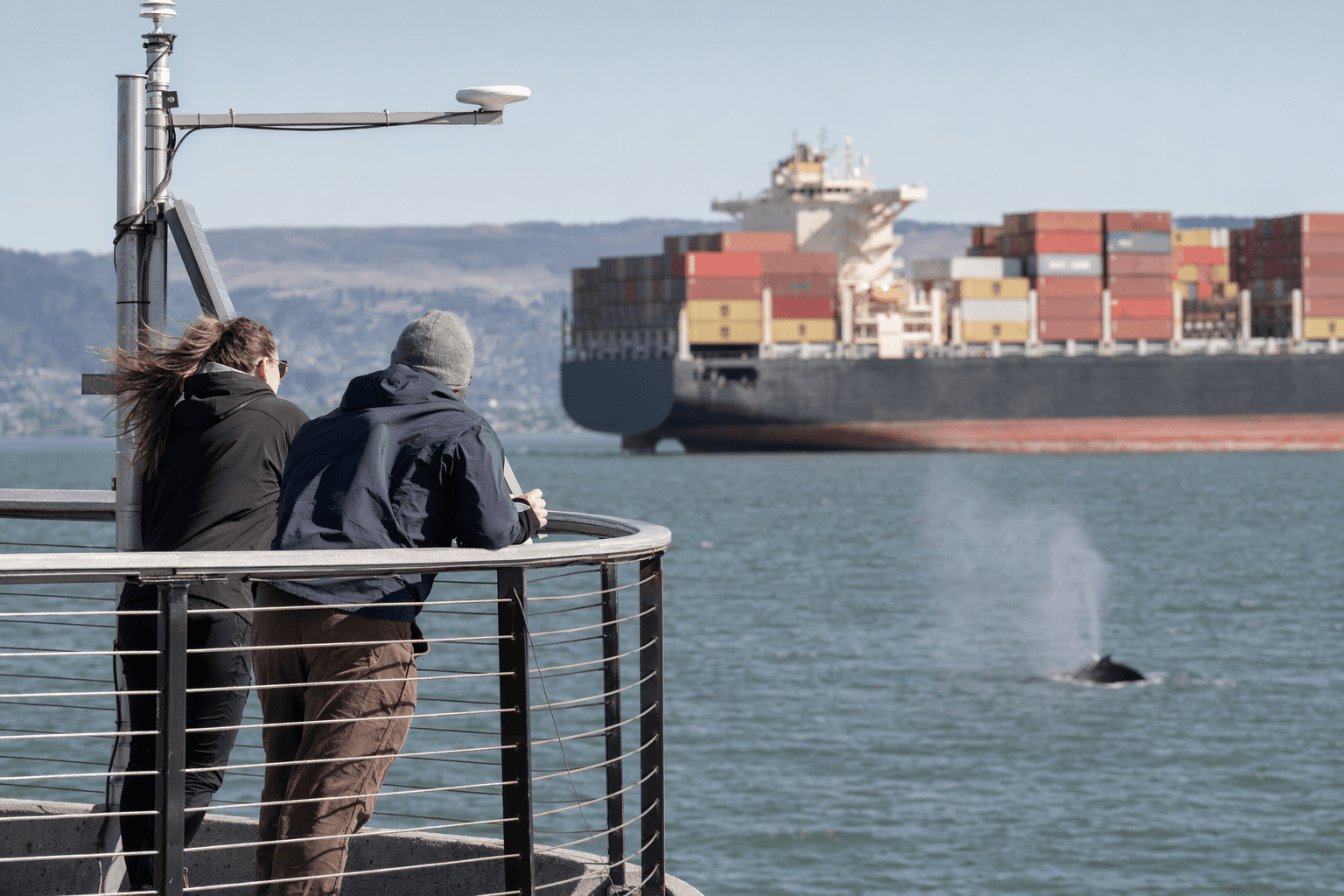
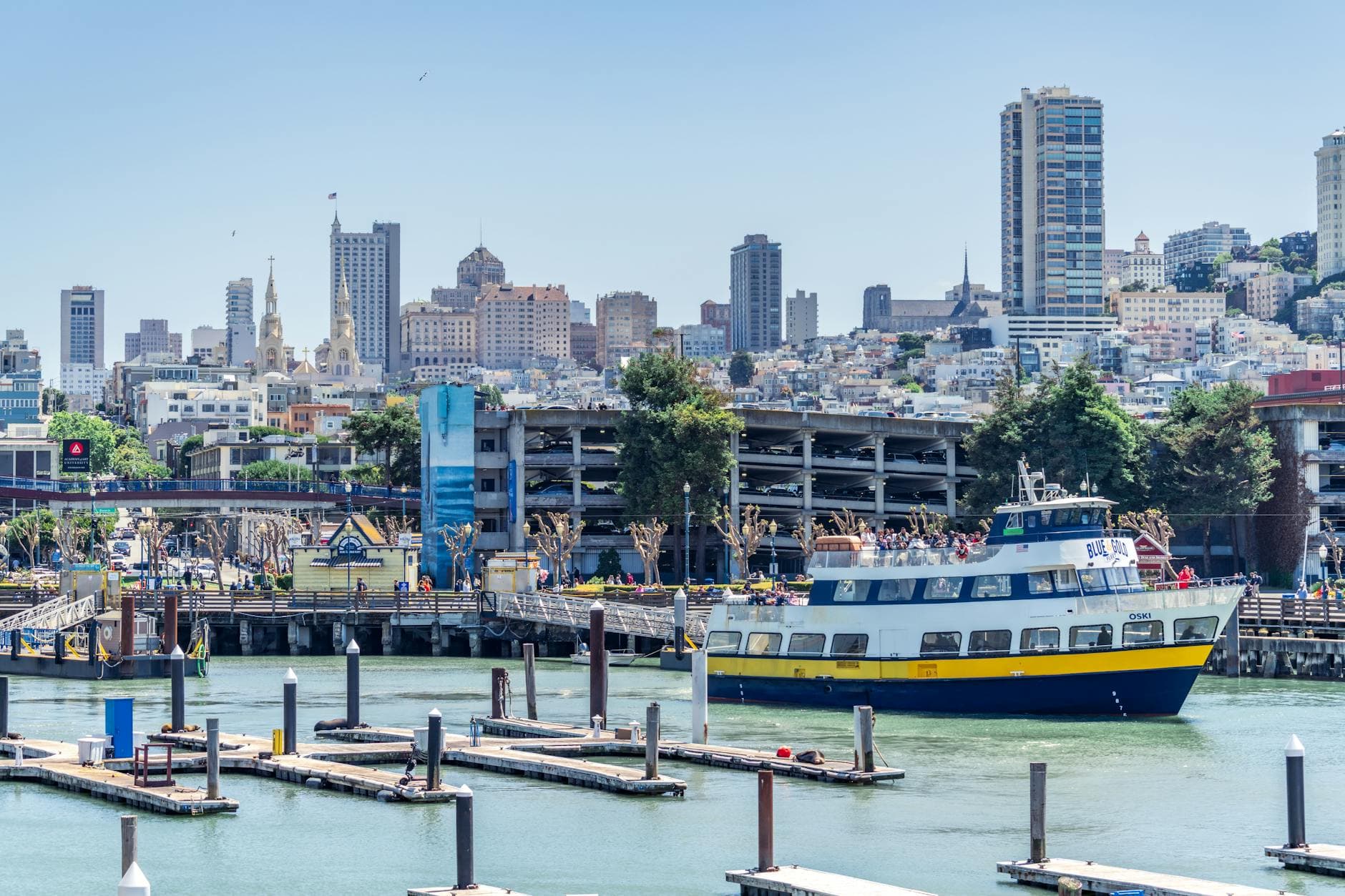
For ferry operators, the practical value is not just a flashing alert. Thomas Hall, director of operations for San Francisco Bay Ferry, said the warnings should give vessels enough time to adjust well before reaching whales and help crews see where whales are congregating so routes can be shifted during whale season. That could matter for riders moving between downtown San Francisco, Treasure Island, the waterfront near Oracle Park and other daily cross-bay trips, where even small route changes can be visible to passengers and crews.
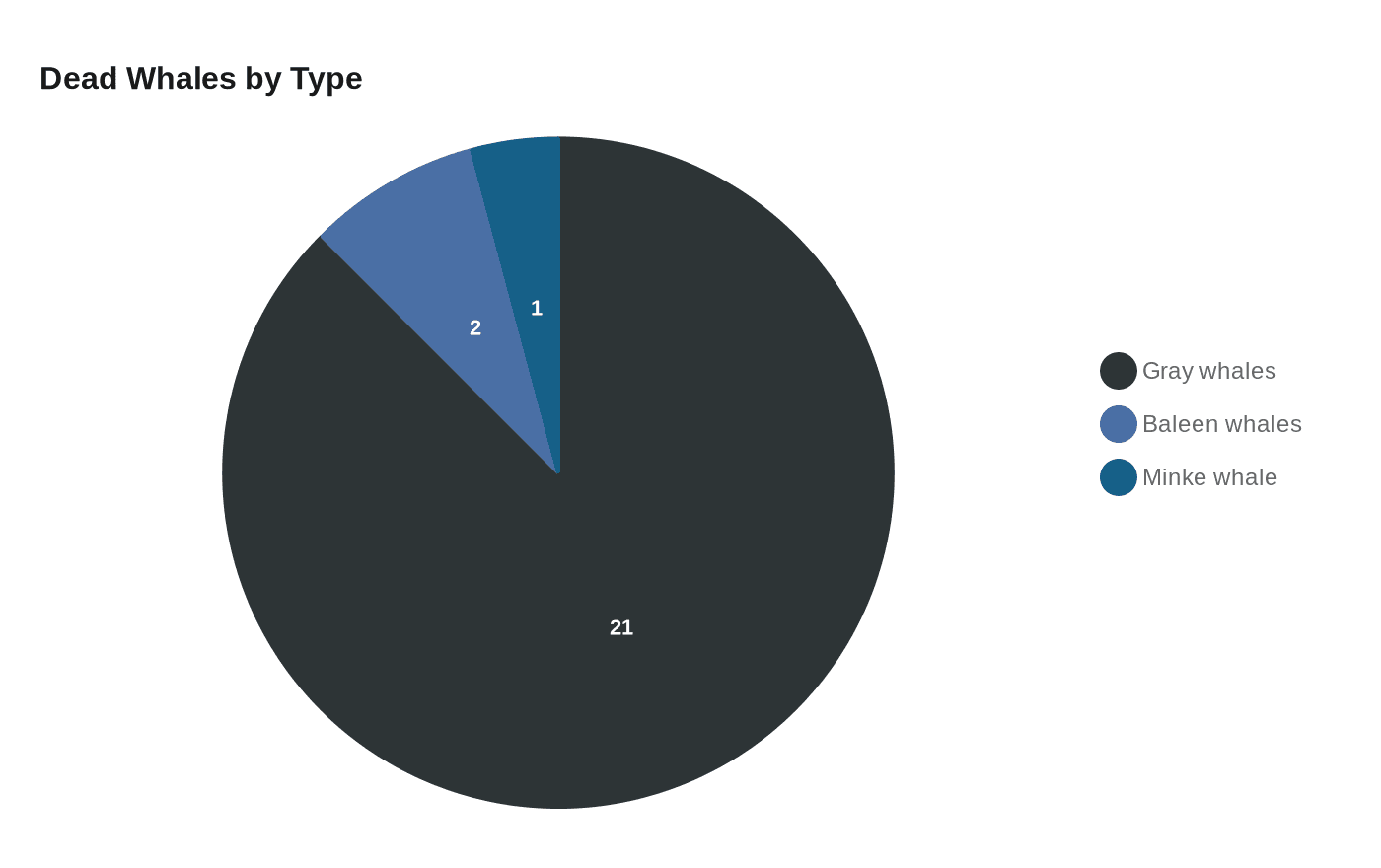
The launch comes after a grim year for gray whales in the Bay Area. The Marine Mammal Center said 21 gray whales were found dead in the wider Bay Area in 2025, the highest number in 25 years, and at least 40% were killed by ship strikes. In July 2025, the California Academy of Sciences and The Marine Mammal Center counted 24 dead whales in the wider region that year, including 21 gray whales, two unidentified baleen whales and one minke whale. Eight of the gray whale deaths were classified as suspect or probable vessel strikes.
Scientists say the toll likely understates the risk because carcasses can sink or drift away before they are found. A 2026 study in Frontiers in Marine Science found that 21 of 114 photo-identified gray whales entering San Francisco Bay were later matched to necropsy records, suggesting a minimum mortality rate of 18%. Researchers say more gray whales are entering the bay and lingering for days or weeks, a pattern tied to climate disruption in the Arctic food web.
WhaleSpotter adds to a broader California push to reduce ship strikes. NOAA asks vessels 300 gross tons or larger to slow to 10 knots in designated voluntary reduction zones, and the agency and the Coast Guard have already used a 10-knot voluntary limit for large ships transiting the San Francisco region. The larger Whale Safe platform combines whale detections, habitat models and AIS vessel tracking to monitor ship speeds against those voluntary limits, but compliance still depends on mariners changing course, slowing down and staying inside the rules that protect the bay’s whales.
Know something we missed? Have a correction or additional information?
Submit a Tip