Valkyries return to Chase Center, reshaping Mission Bay game days
Sold-out Valkyries games are turning Mission Bay into a regular citywide gathering, with Chase Center traffic, transit and Thrive City businesses all feeling the surge.
Mission Bay on Valkyries time
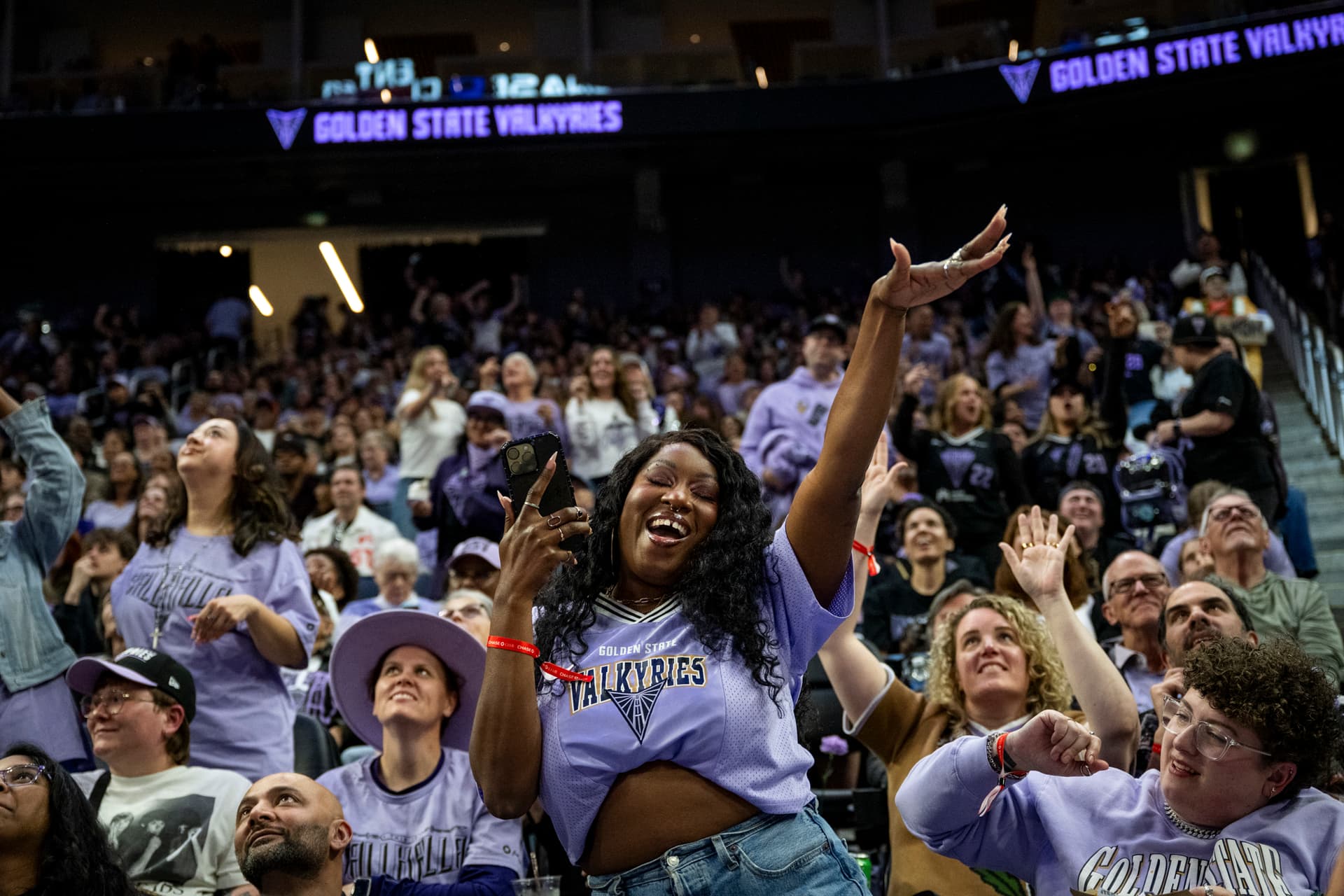
The Valkyries are back at Chase Center with a crowd that already feels bigger than basketball. After opening the 2026 season at Seattle on May 8 and hosting the Phoenix Mercury at 5:30 p.m. on May 10, the team’s return has kept Mission Bay moving to a different rhythm, one shaped by sold-out demand, packed concourses and a neighborhood that now plans around game night.
The scale of the draw explains why. In their inaugural 2025 season, the Valkyries sold out all 22 home games, drew 397,408 fans in total and averaged 18,064 per game, both WNBA records. They also became the first WNBA expansion team to make the playoffs in its inaugural season, a run that gave the franchise immediate historical weight and made Chase Center feel less like a novelty stop and more like a permanent part of the league’s map.
That momentum carried directly into 2026. The team announced that season tickets were sold out again, with more than 12,000 season ticket holders already committed, and the campaign theme, “This is Ballhalla,” makes clear that the franchise sees community identity as part of its brand. For fans, that means a return to an arena district where a Valkyries game is no longer a one-off event. It is a recurring civic moment.
What the schedule means for the city
The home slate gives San Franciscans a calendar that stretches well beyond the opener. Later visits to Chase Center bring the Connecticut Sun, Indiana Fever, Las Vegas Aces, Phoenix Mercury, Los Angeles Sparks, Dallas Wings, Atlanta Dream, New York Liberty, Washington Mystics and Toronto Tempo to Mission Bay. The message is simple: the Valkyries are not just selling a team; they are anchoring a season-long gathering point on the waterfront.
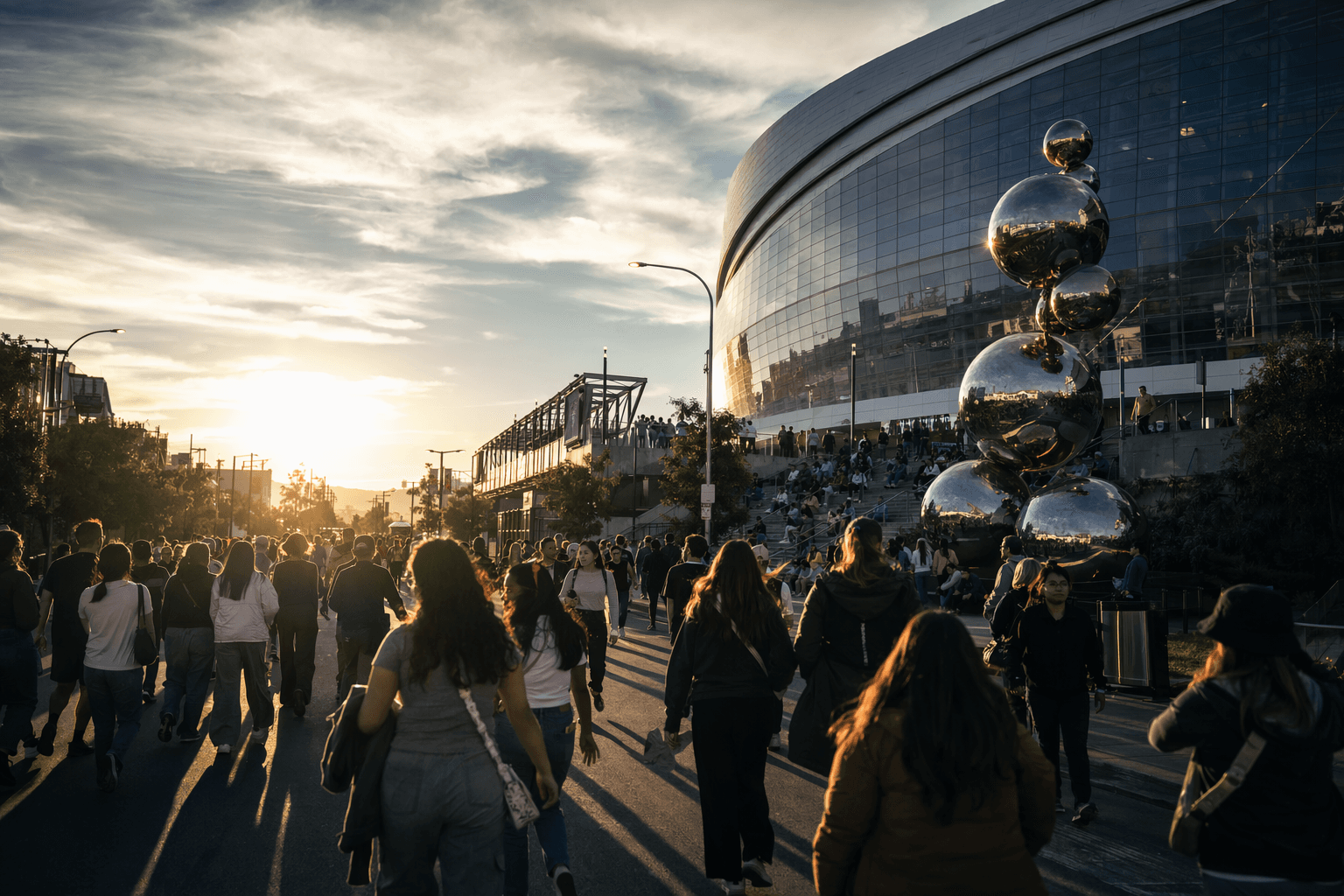
That matters because the impact is no longer confined to the court. Local reporting has shown Valkyries home games boosting nearby businesses in Thrive City, where restaurants and retail now benefit from the steady pulse of crowds before tipoff and after the final buzzer. In a neighborhood already shaped by event traffic, the team’s rise has added a new layer of economic activity that ripples through dining, nightlife and public space.
The social side is just as important. Chase Center has become a place where fans gather even when they do not have a ticket, with watch parties and community meetups helping turn game days into neighborhood occasions. That broader fan culture is part of why the arena now feels like a civic hub as much as a sports venue.
How to get to Chase Center without fighting the crowd
The good news for anyone heading to Mission Bay is that Chase Center is built around transit. The arena says it is accessible by Muni, BART, Caltrain and ferry, with the T Third line stopping at the venue. For riders coming from across the city, that puts the arena within a straightforward public transit web instead of forcing every fan into a car.
A few practical notes make the trip easier:
- The 78X express runs between Chase Center and 16th Street Mission BART.
- Service starts 2.5 hours before events and continues for 1 hour after events.
- Event tickets are valid as all-day Muni tickets.
That last detail matters. It ties arena attendance directly to the city’s transit system and makes a game ticket part of the transportation plan, not just admission to the building. For a neighborhood that absorbs thousands of people at once, that kind of coordination helps shape the entire game-day experience.
Why Mission Bay feels different now
Mission Bay has long been a district defined by major institutions, construction, clinics, housing and high-volume travel. The Valkyries’ rise has added something else: a reliable emotional calendar. On game days, the area around Chase Center now fills with the same kinds of rituals that define San Francisco’s most recognizable civic moments, from pregame meetups to postgame transit lines, all centered on women’s pro sports.
That shift has cultural weight. The Valkyries have moved from expansion curiosity to a team that already influences how people cross the city, where they spend money and how they spend an evening. The sold-out home games, the packed season-ticket base and the strong response in Thrive City all point to the same conclusion: women’s pro sports now occupy a fixed place in San Francisco’s cultural calendar.
The practical lesson for anyone planning a visit is clear. If you are headed to Chase Center, plan for transit, expect crowds and treat the area like the major event district it has become. If you are not going inside, Thrive City and the surrounding blocks still carry the energy of the night. Either way, the Valkyries have changed what Mission Bay looks like when the lights go up, and that change is now part of the city’s routine.
Know something we missed? Have a correction or additional information?
Submit a Tip