Allbirds to Close Last U.S. Full-Price Stores, Exit San Francisco's Retail Scene
Allbirds will close its last U.S. full-price stores by the end of February, ending its San Francisco retail presence as the company shifts to e-commerce, wholesale and international channels.

Allbirds announced on Jan. 28, 2026, that it will close its final full-price U.S. retail locations by the end of February as part of a corporate plan to reduce brick-and-mortar exposure and concentrate on e-commerce, wholesale and international sales. The San Francisco–founded footwear brand said it will keep a small number of U.S. outlet locations and maintain two full-price stores in London, but its hometown storefronts will disappear from the city’s retail map.
The decision follows years of store reductions and marks the loss of a local brand that had become emblematic of Bay Area startup culture. For San Francisco County, the move removes a recognizable name from shopping corridors that rely on a mix of local shoppers and tourists. Retail landlords, neighborhood associations and workers who staffed Allbirds locations will now confront additional vacancies in a market already sensitive to changes in foot traffic.
Allbirds framed the shift as a reallocation of resources toward channels where the company sees better returns. Shifting investment from retail leases and in-store operations to online platforms and wholesale partnerships is a common strategy among apparel firms responding to persistent cost pressures and changing consumer behavior. The company’s retention of outlet stores in the U.S. and two full-price stores in London signals a narrower physical footprint focused on clearance and select international presences rather than broad domestic retail exposure.
Local economic impacts include potential job losses for retail staff and reduced short-term sales tax receipts tied to in-person purchases. Commercial landlords may face longer vacancy periods in shopping districts that had depended on national and locally founded brands. Independent retailers and smaller brands could view the vacated spaces as opportunities, while property owners will likely re-evaluate lease terms and tenant mixes to attract a new generation of tenants.
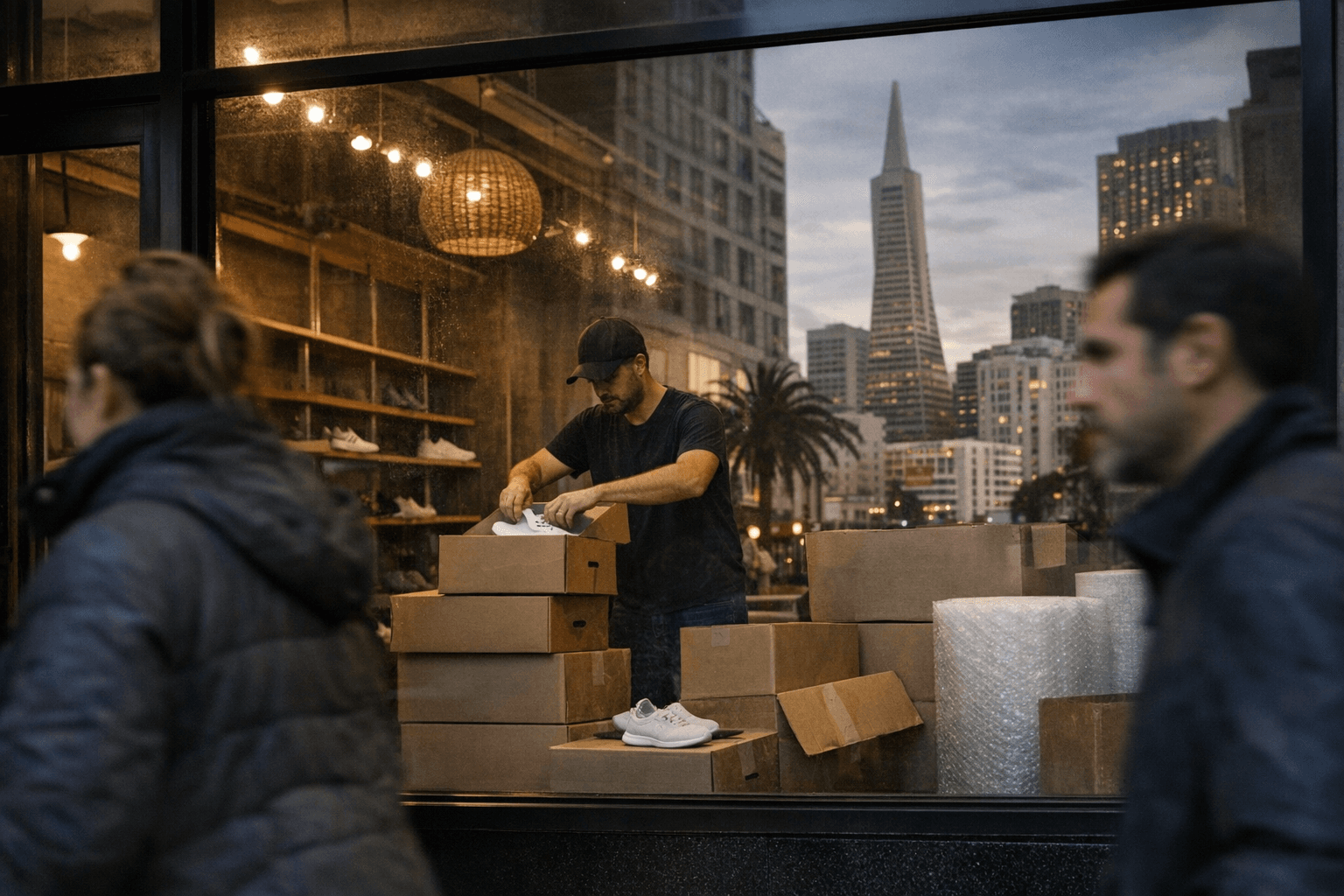
From a market perspective, Allbirds’ exit underscores a broader trend of apparel brands optimizing channel mix and prioritizing scalable, lower-cost distribution methods. For San Francisco, which prizes its startup success stories, the change also carries symbolic weight: a homegrown company founded locally no longer maintaining a hometown retail presence reflects both maturation and retrenchment in the region’s consumer sector.
For shoppers who prefer Allbirds products, the practical takeaway is to shift to online purchasing or visit the remaining outlet locations and the two full-price stores in London. For workers and local businesses, the coming weeks will be a period of adjustment as leases expire and storefronts are reimagined. City economic planners and neighborhood groups will be watching how quickly these retail spaces are repurposed and what new uses emerge in their place.
This article was produced by Prism’s automated news system from verified source data, official records, and press releases, then run through automated quality and moderation checks before publishing. The system is built and supervised by the people who set the standards it runs under. Read our full AI policy.
Did this article answer your question?

