Mission businesses say street disorder is pushing crime nearby
On Clinton Park and Stevenson Street, Mission merchants say open drug use and encampment fires are making it harder to keep customers, workers and storefronts safe.
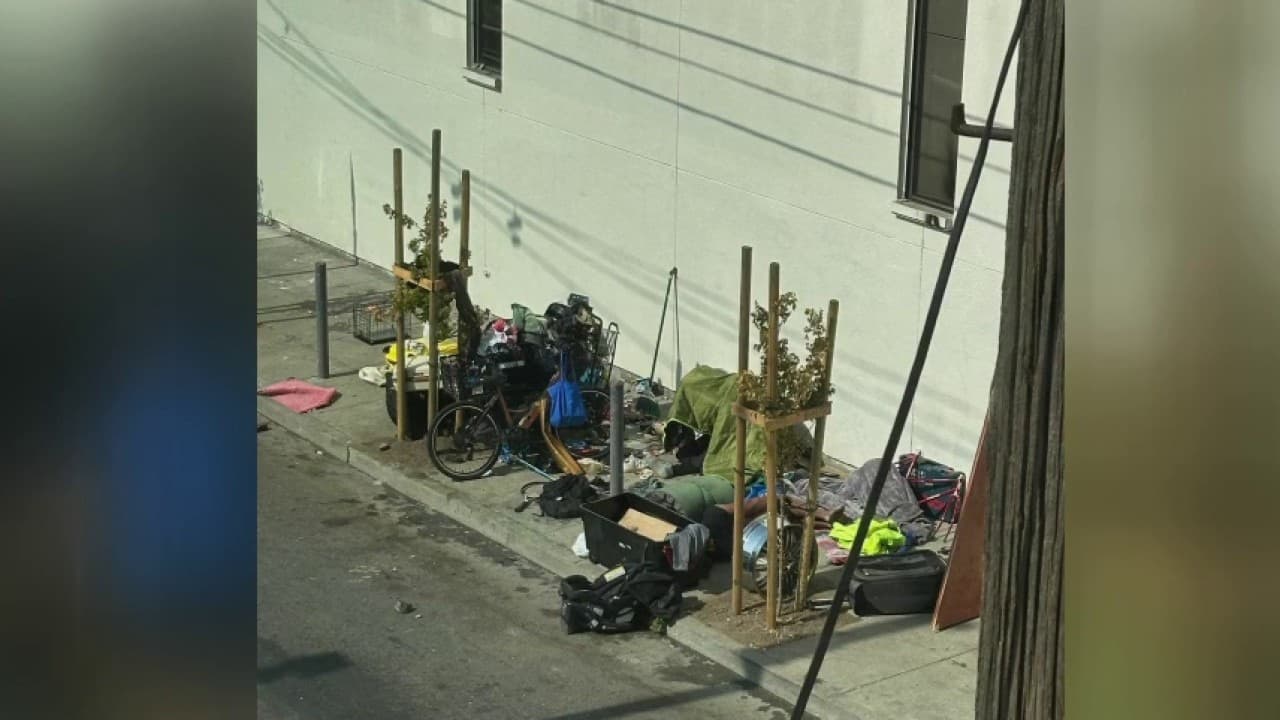
Business owners on Clinton Park and Stevenson Street in the Mission District say open drug use, encampment fires and crime have worsened as city crackdowns shifted disorder off major corridors and onto quieter blocks. The immediate impact, merchants say, is felt at the storefront level, where foot traffic can thin, cleanup becomes a daily chore and employees face a more volatile street scene.
The complaints fit a pattern that has played out across the Mission since police intensified activity around 16th Street BART Plaza. Mission District police captain Liza Johansen acknowledged that operations in the Tenderloin pushed drug users into the Mission, and by March 2025 more than one-fourth of San Francisco’s drug arrests and citations that month came from a 1.5-block radius around 16th Street BART after officers placed a mobile command unit there on March 12, 2025. Residents later said the activity spread from the plaza onto side streets including Capp Street and near Alioto Mini Park.
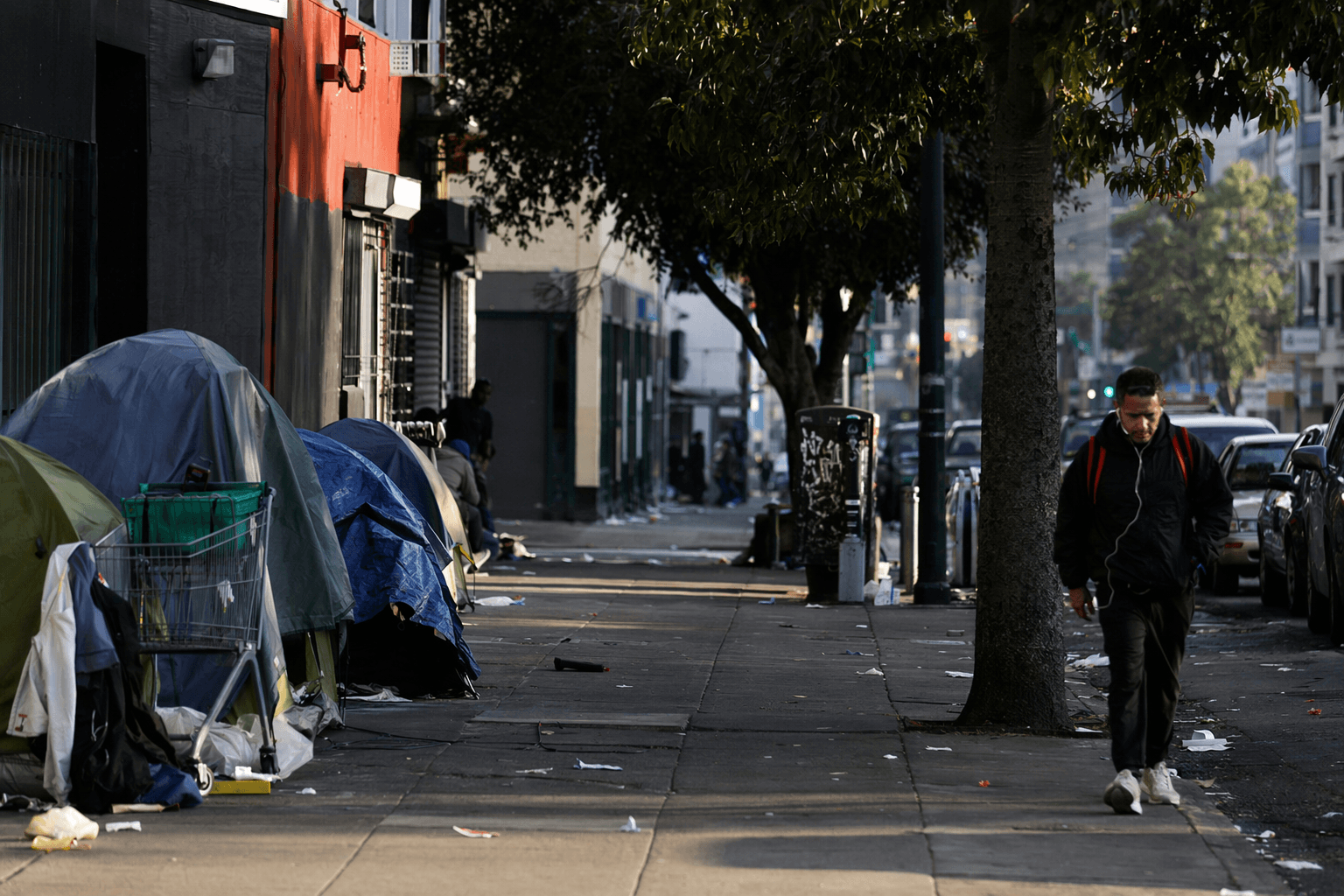
That displacement is what makes the Mission case so politically sensitive. The neighborhood is one of San Francisco’s most visible commercial corridors, and blocks like Clinton Park and Stevenson Street rely on steady pedestrian traffic, fast response to fire calls and the sense that workers can open and close shops without crossing through an open drug scene. Encampment fires raise the stakes further because they bring not just disorder, but a direct safety risk for nearby businesses, tenants and anyone walking through the area.
Mayor Daniel Lurie has tried to frame the city response as a broader reset. He launched the Breaking the Cycle strategy on March 18, 2025, followed by a neighborhood-based street team model on March 25, 2025. More recently, on February 18, 2026, he announced a RESET Center plan meant to divert people arrested while under the influence of drugs away from jail or hospitalization and into treatment.
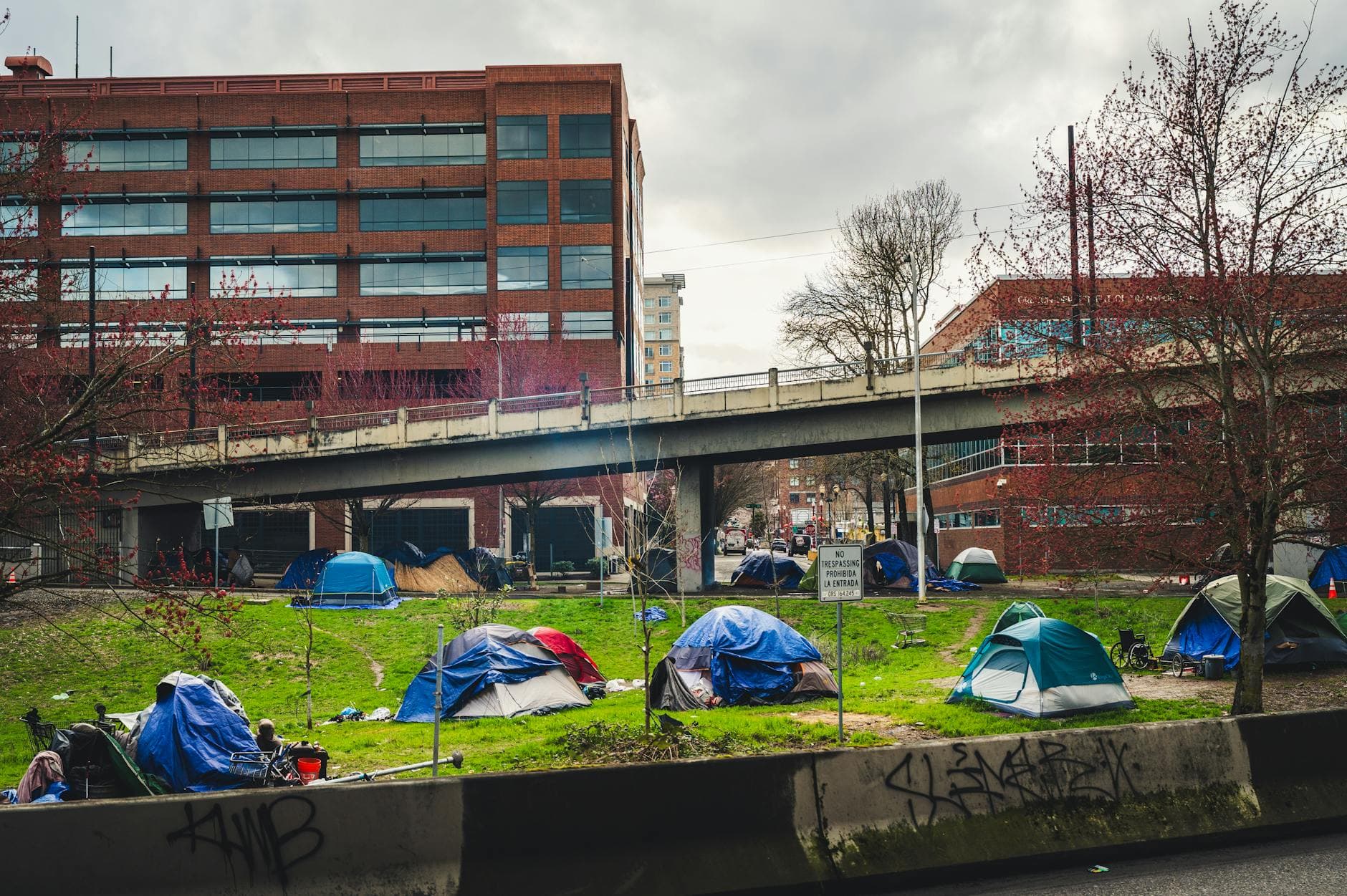
Citywide data shows some improvement, but not enough to settle the debate on Mission blocks. San Francisco’s preliminary 2026 Point-in-Time count showed unsheltered homelessness down 22% since 2024 and tent encampments down 85%. The city also reported 621 accidental overdose deaths in 2025, down from 810 in 2023, but still at a crisis level tied to the fentanyl epidemic. For Mission merchants, the question is not whether the city can show progress on paper. It is whether the next cleanup, sweep or enforcement surge leaves their block any safer than before.
This article was produced by Prism’s automated news system from verified source data, official records, and press releases, then run through automated quality and moderation checks before publishing. The system is built and supervised by the people who set the standards it runs under. Read our full AI policy.
Did this article answer your question?

