Altman grilled in OpenAI trial over Musk nonprofit claim, IPO future
Sam Altman spent hours defending OpenAI’s for-profit shift as Elon Musk pushed to restore nonprofit control over the San Francisco AI giant.

From OpenAI’s San Francisco headquarters to a federal courtroom in Oakland, the fight over the city’s most influential AI company has become a test of who gets to control its future and whether the startup can keep growing as a for-profit business.
U.S. District Judge Yvonne Gonzalez Rogers is hearing the case with nine jurors and no alternates, as Elon Musk seeks as much as $150 billion in damages and wants Altman and Greg Brockman removed from leadership. Musk also wants the court to restore OpenAI as a nonprofit, turning a dispute over founding promises into a fight that could shape the company’s structure ahead of a possible IPO.
Altman testified for about four hours and said he never promised Musk that OpenAI would remain a nonprofit. He also told the court that Musk’s departure from OpenAI in 2018 was a morale boost for some researchers, and that Musk’s management style demotivated some staff. Musk, who co-founded OpenAI with Altman and Brockman in 2015, left the board in 2018.
The trial has put OpenAI’s internal power structure under a brighter light. The court has already heard that OpenAI completed a restructuring in October and that its for-profit arm raised $122 billion in its latest funding round, which closed last month. That financial backdrop matters in San Francisco, where OpenAI’s public-facing headquarters remain a symbol of the city’s role as the center of the AI boom.
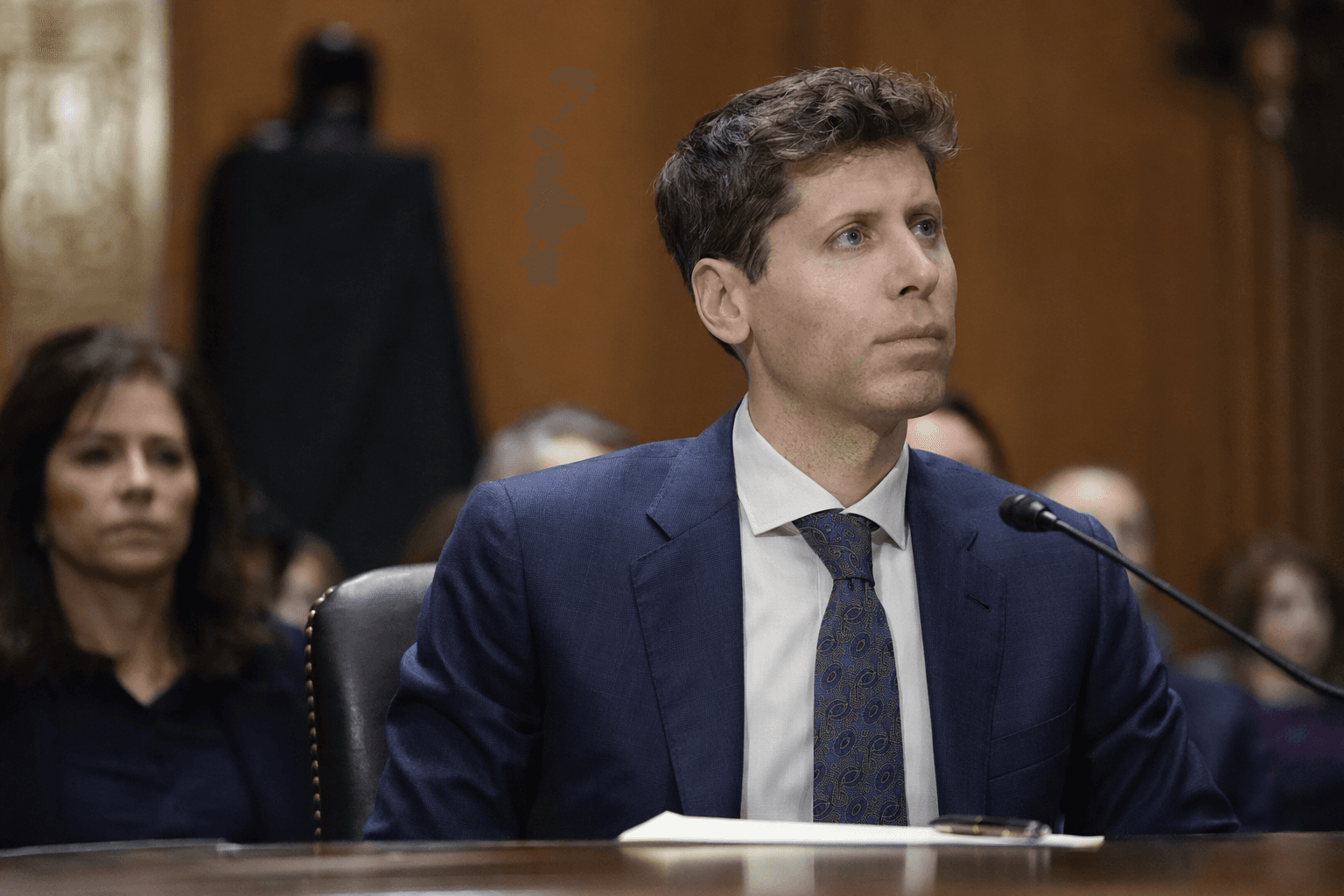
Musk’s case has also collided with testimony from other early OpenAI figures. Ilya Sutskever said he made no promise to Musk that OpenAI would remain a nonprofit, and said the mission was larger than any one corporate form. Sutskever also said his OpenAI stake is worth about $7 billion, while Brockman previously testified that he holds a near-$30 billion stake.
The stakes go beyond damaged relationships among founders. OpenAI was briefly led by a board that ousted Altman in November 2023 before employees pushed for his return, a crisis that exposed how fragile control of the company had become. Musk’s failed attempt to acquire OpenAI last year, followed by the company’s unanimous board rejection of his bid, only deepened the struggle over its direction.
OpenAI has said Musk’s claims are baseless, and Microsoft has denied wrongdoing. For San Francisco, the outcome will help determine whether one of its most powerful AI institutions can keep blending public-benefit language with massive commercial expansion, or whether the court will force a return to the nonprofit roots that once defined its pitch.
This article was produced by Prism’s automated news system from verified source data, official records, and press releases, then run through automated quality and moderation checks before publishing. The system is built and supervised by the people who set the standards it runs under. Read our full AI policy.
Did this article answer your question?

