San Francisco startup turns crushed rock into carbon removal solution
Crushed basalt from Brazil and a Stanford-born startup are putting San Francisco in the middle of a carbon-removal test.

In San Francisco, the climate bet is a pile of crushed basalt. Terradot is trying to turn that rock into a carbon-removal product by spreading it across farmland in Brazil and using soil chemistry to pull carbon dioxide from the air faster than nature would on its own.
The company, founded in 2022 out of Stanford research, grew from work James Kanoff and Sasankh Munukutla did with Stanford professor Scott Fendorf after a 2022 Stanford course. Terradot’s method is called enhanced rock weathering. The idea is simple in concept and difficult in practice: grind rock into a powder, spread it on fields and let natural reactions lock away carbon over years instead of millennia. Kanoff has said the main barrier to gigaton-scale carbon removal is time, and Terradot’s pitch is that time can be compressed into something the market can actually buy.
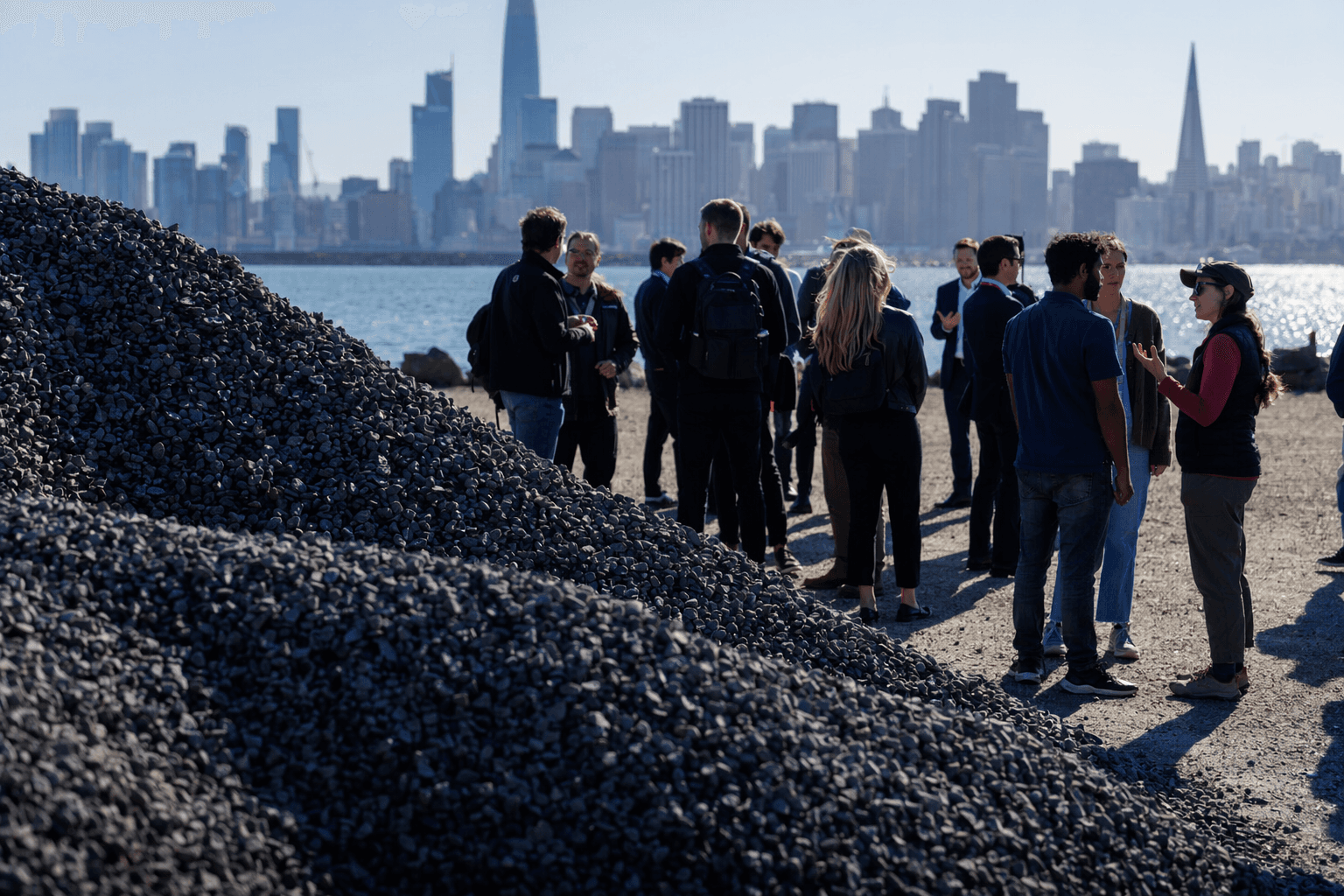
The real proving ground is not on the Peninsula but in Brazil. Terradot says it has already spread nearly 50,000 tons of rock across about 2,000 hectares there. One part of the operation uses basalt sourced from quarries in southern Brazil and delivered to nearby farms. The company is also building a Sentinel research site in Brazil with Microsoft to track the full carbon journey, a sign that measurement is as important as the rock itself. Stanford describes Terradot’s approach as using ground-truth sampling, remote sensing and AI modeling to quantify what is happening in the soil.
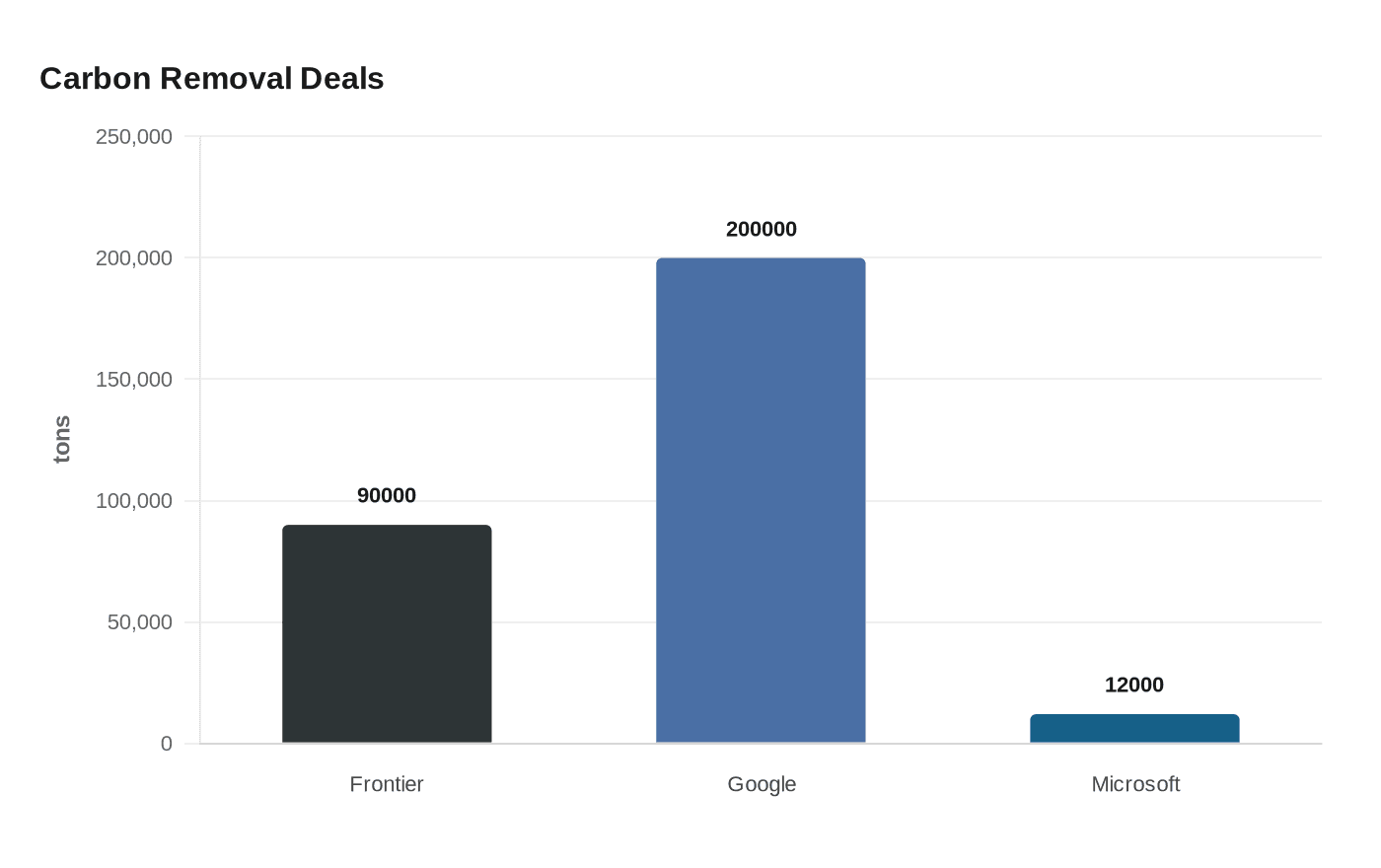
That measurement work matters because enhanced rock weathering has long faced skepticism over verification, permanence and the real-world costs of scaling. Terradot’s commercial deals show buyers are willing to pay before every scientific argument is settled. Frontier agreed to pay $27 million for 90,000 tons of carbon dioxide removal between 2025 and 2029. Terradot says Google backed the company with a 200,000-ton carbon removal deal in December 2024, and Microsoft later signed an agreement for 12,000 tons between 2026 and 2029.
Frontier’s 2024 update said it had signed $279 million in offtakes across seven carbon-removal companies, underscoring how quickly the market is maturing. For San Francisco County, Terradot is part of a larger question: whether the Bay Area’s climate economy can deliver something more durable than a pitch deck. The company’s founding team also carries a social-impact streak through The Farmlink Project, which helped deliver more than 250 million meals during the pandemic. If Terradot can prove the carbon math, the soil chemistry and the economics, San Francisco may have a new climate export with real staying power.
This article was produced by Prism’s automated news system from verified source data, official records, and press releases, then run through automated quality and moderation checks before publishing. The system is built and supervised by the people who set the standards it runs under. Read our full AI policy.
Did this article answer your question?

