Audit faults San Francisco health department before fatal Ward 86 stabbing
Staff warned of danger before Alberto Rangel was stabbed at Ward 86, and a new audit says San Francisco still lacked the safeguards to stop it.
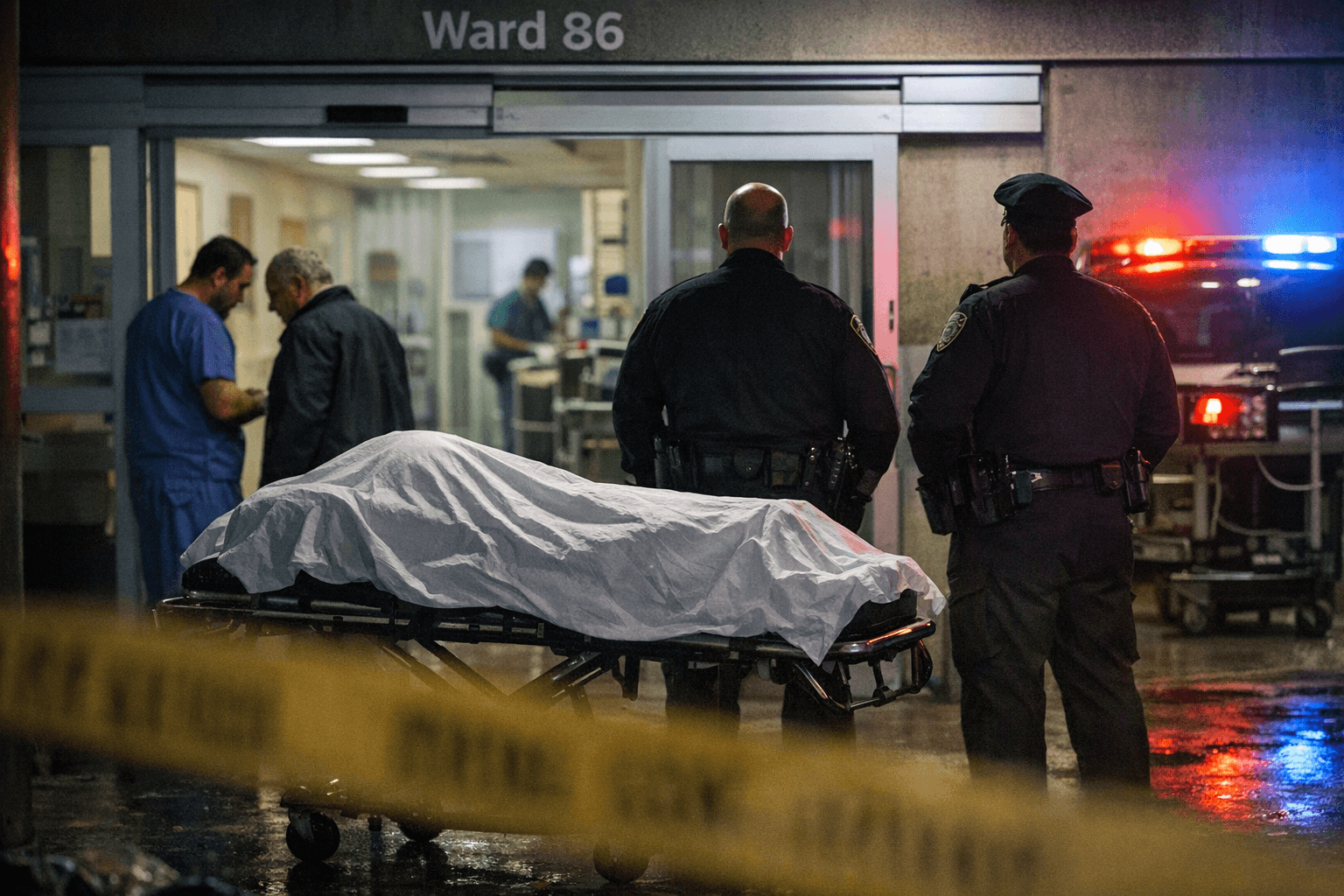
The warning signs were there in the weeks before a social worker was stabbed to death inside Ward 86 at Zuckerberg San Francisco General Hospital. An internal audit released Wednesday said staff had reported the patient’s dangerous behavior before Alberto Rangel was killed, and faulted the San Francisco Department of Public Health for lacking a consistent way to identify, escalate and follow up on threats.
Rangel, 51, was stabbed multiple times in the neck and shoulder on Dec. 4, 2025, inside the HIV clinic. He died two days later, on Dec. 6. The suspect, Wilfredo Tortolero Arriechi, 34, was arrested at the hospital and later charged with murder. Sheriff’s officials said he had threatened a doctor before the attack, and deputies recovered a five-inch kitchen knife believed to have been used in the stabbing. Additional security personnel were called around 1:30 p.m., and medical staff performed CPR before Rangel was taken to the operating room.
The audit said those facts pointed to a broader failure inside the health department, which did not have clear protocols for how staff reports of dangerous behavior should move through the system. It called for a more consistent threat-risk escalation process, clearer division of responsibility between security and law-enforcement teams, psychological support for staff and better protection at Ward 86, including weapons detection and panic buttons.
City officials said they would commit $15 million annually to modernize security infrastructure and hire four additional staff for the department’s security team. The health department also said it had already created a 24/7 threat management team to coordinate risk assessments, weapons detection systems and security staffing across its sites.
The killing quickly became a flashpoint for hospital workers and city leaders who said the violence exposed long-running gaps at San Francisco’s public health facilities. Supervisor Shamann Walton, whose district includes the hospital, called the death a devastating tragedy and asked for detailed information about existing safety protocols and what would change. He said metal detectors and other security measures may be needed, and said he had heard complaints from staff about safety problems at San Francisco General.
Labor leaders pressed even harder. The union representing social workers at SF General and UC hospitals demanded an immediate written safety plan, safe staffing levels for behavioral health teams, protected time off, immediate support for affected staff and ongoing workplace-violence prevention measures. Union leaders said health care workers are five times more likely to be affected by violence on the job.
By March, UCSF social workers were marching to the chancellor’s office saying they still had not received a response after repeatedly seeking a meeting. Some said they had not returned to their jobs. UCSF said it had been working with the Department of Public Health and city and union leaders on security improvements and a review of workplace-safety practices, while hospital leaders continued to weigh a difficult balance: keeping care accessible to vulnerable patients while making sure the people who deliver that care are not left exposed.
This article was produced by Prism’s automated news system from verified source data, official records, and press releases, then run through automated quality and moderation checks before publishing. The system is built and supervised by the people who set the standards it runs under. Read our full AI policy.
Did this article answer your question?