San Francisco hospitals see surge in five viral infections
Five viruses were rising together in San Francisco, and one stomach bug could even spread through household laundry. Hospitals said the strain was showing up in daily life.
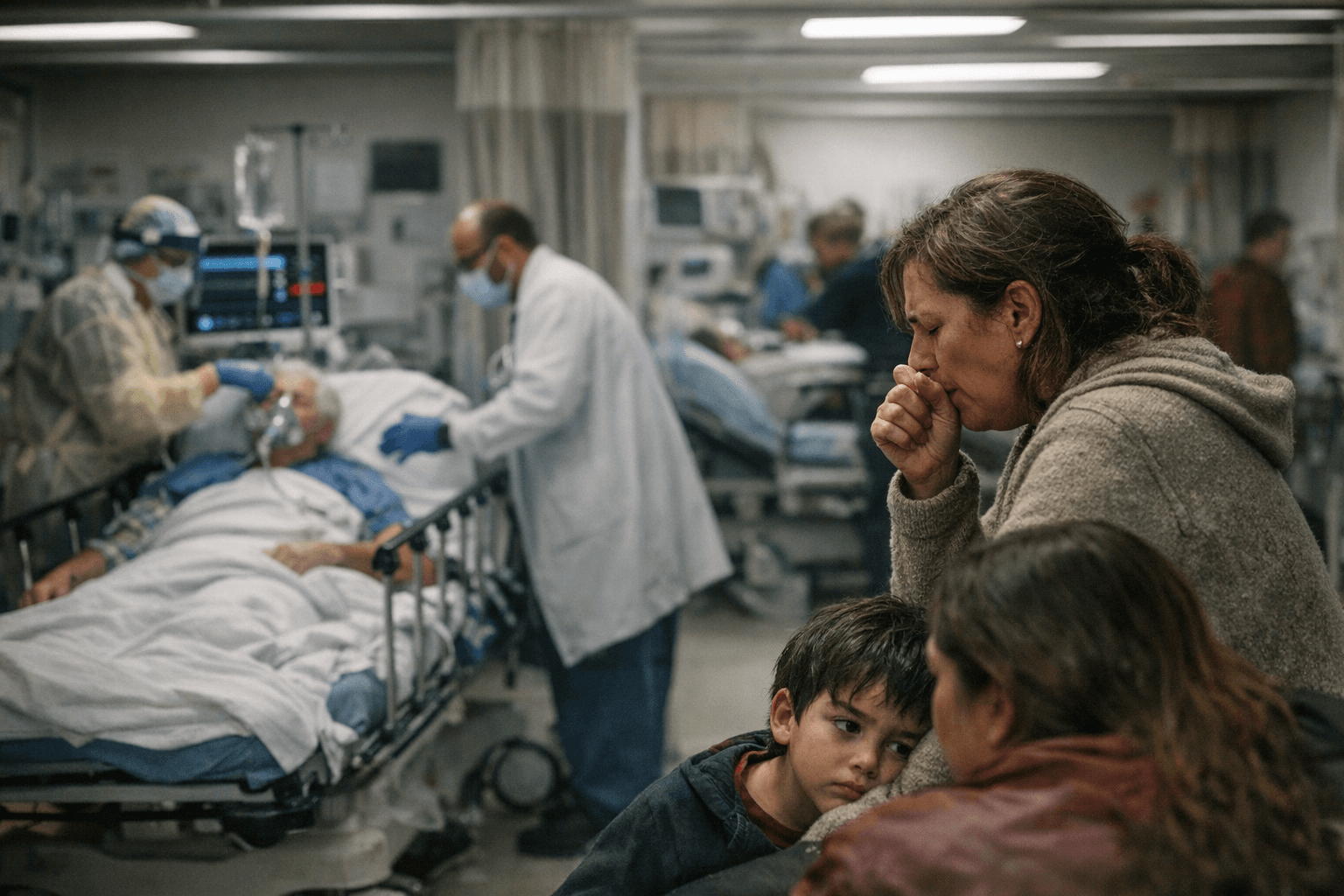
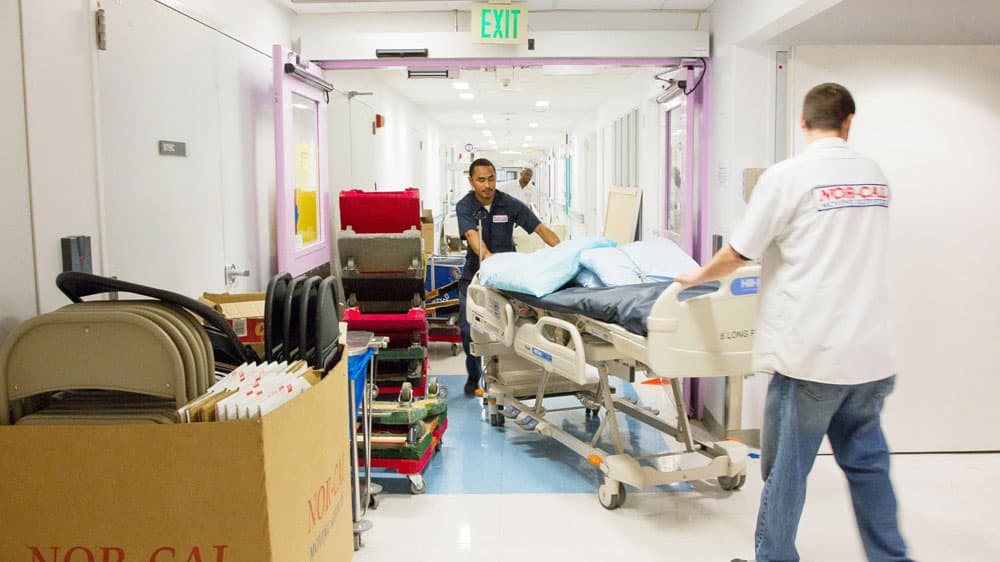
San Francisco hospitals saw a sharp rise in five viral infections at once, a mix that pushed more people toward emergency rooms and made school absences, sick days and crowded commutes feel like part of the same outbreak. The viruses included rotavirus, norovirus, human metapneumovirus, influenza and RSV.
What made the pattern unusual was not just the number of infections, but the way stomach viruses and respiratory viruses were climbing together in a dense city where illness can move quickly from apartment to apartment, classroom to classroom and train car to train car. Public health officials still had not explained why the viruses were surging at the same time, even as San Francisco was already in a busy communicable-disease stretch, with the Department of Public Health posting multiple health alerts in April.
Norovirus had already been causing trouble in parts of San Francisco, Marin County and Silicon Valley in March, and health warnings had emphasized how easily it spreads. The virus can move through the fecal-oral route, including through contaminated household laundry, a reminder that one sick person in a crowded home can become a problem for everyone sharing a bathroom, kitchen or washing machine.
Rotavirus was also circulating around the Bay Area, and UCSF infectious-disease specialist Dr. Peter Chin-Hong discussed it in early April as viral illnesses continued to move through the region. For parents, the overlap of stomach bugs and respiratory infections has meant more than sniffles and a missed day of school. It has meant scrambling for childcare, trying to work from home, and figuring out how to keep a household going when one illness after another lands close together.
The respiratory side of the surge ran against the usual calendar. California Department of Public Health guidance for the 2025-26 respiratory season says influenza and RSV typically rise in the fall and peak in winter, not in spring. San Francisco has been tracking respiratory-virus hospital admissions and has kept updated vaccine information available for COVID-19, flu and RSV on SF.gov.
That message had already been echoed across the Bay Area last fall, when all 13 public health directors jointly urged flu, COVID and RSV shots. Now, with five viruses pressing at once, the city’s schools, transit system and hospitals were all feeling the same warning: in San Francisco, a bad virus season can become a citywide operational problem fast.
This article was produced by Prism’s automated news system from verified source data, official records, and press releases, then run through automated quality and moderation checks before publishing. The system is built and supervised by the people who set the standards it runs under. Read our full AI policy.
Did this article answer your question?