BART adds longer trains, easing San Francisco commute crowding
Longer rush-hour trains start July 20, and Daly City changes on August 10 should cut waits and crowding for San Francisco commuters.
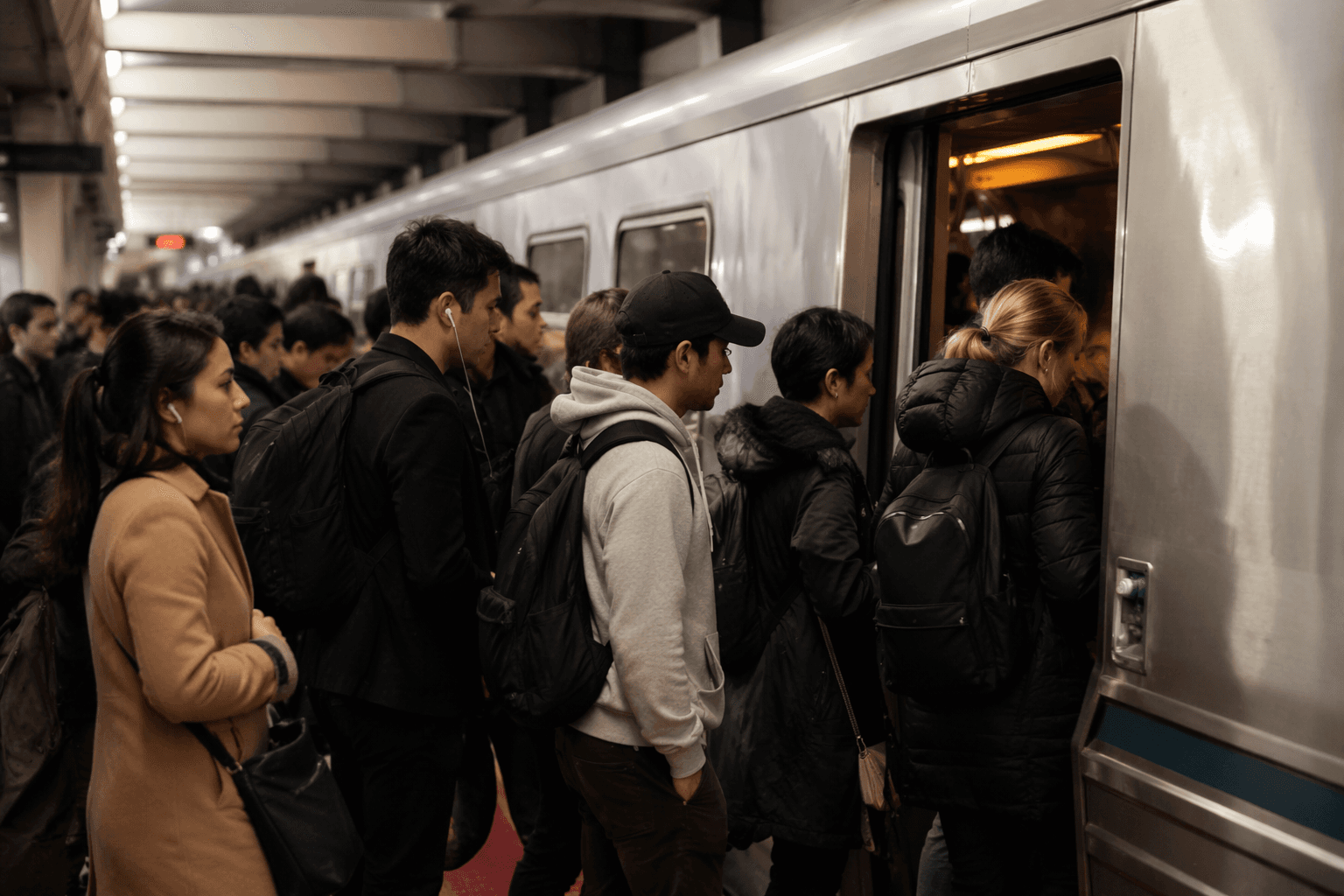
BART will start running longer trains on July 20, then fold those extra cars into an August 10 schedule change designed to make the busiest commute hours less cramped. The Red Line will run peak trains as 10-car sets, up from the current mix of 8-car and 6-car trains, while longer Red, Yellow, Blue and Green line trains will carry over into the new timetable. Some shorter trains will still run off-peak and on the Orange Line.
The most noticeable shift for San Francisco riders will come through Daly City Station, where BART will change the way trains move through the stop and operate it as a center-platform station. That change is meant to create more even headways, better transfers and less train congestion. For Richmond-bound riders coming from San Francisco, Yellow Line and Red Line trains will be spaced 10 minutes apart instead of the 5-minute and 15-minute gaps riders see today, which should make the ride home less chaotic and give commuters a clearer choice between the direct Red Line and a transfer at 19th Street/Oakland.
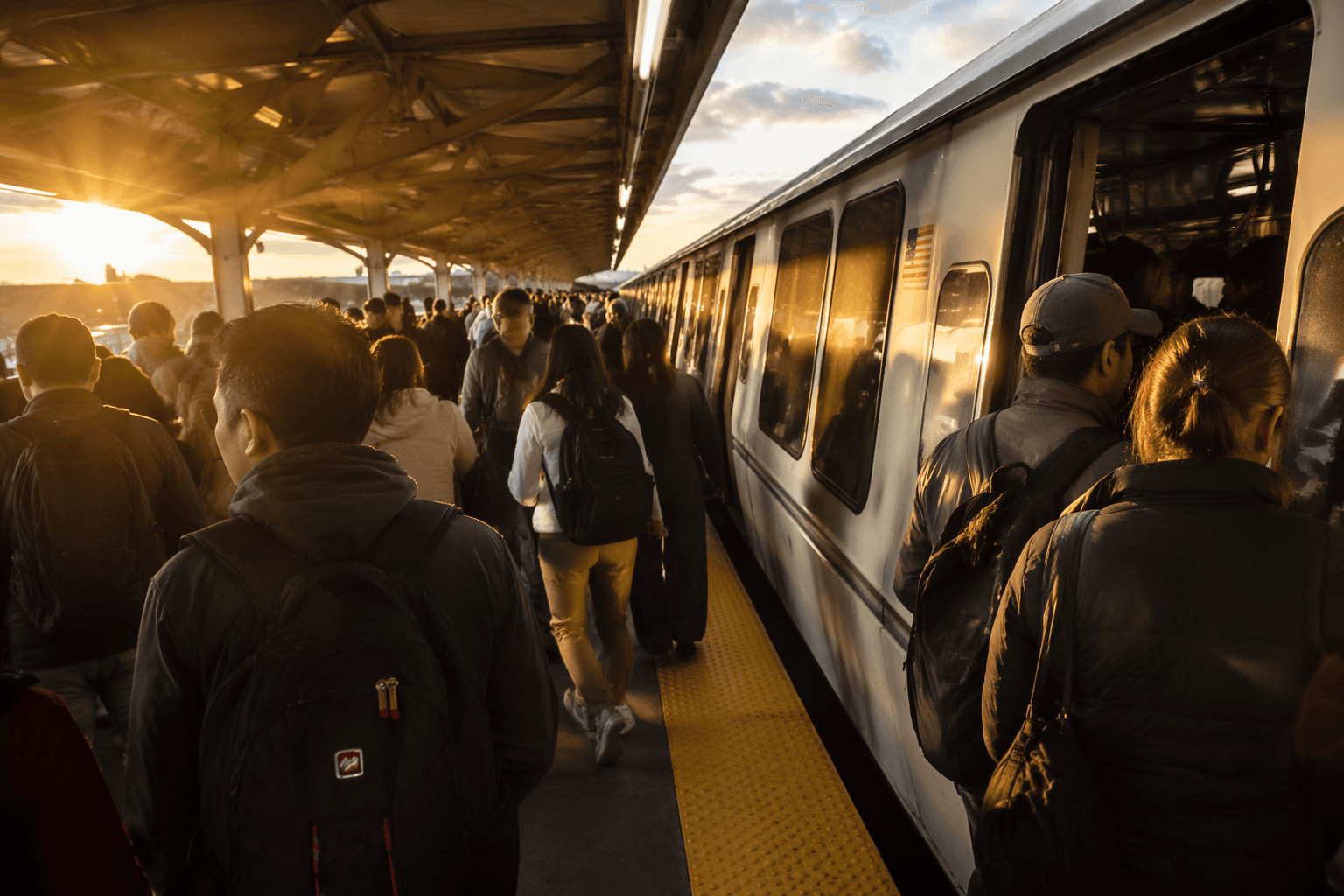
BART says the new pattern will also help riders heading toward Dublin and Berryessa, where Green and Blue line spacing will improve from 3 minutes and 17 minutes today to 8 minutes and 12 minutes. At Bay Fair, Dublin riders will get a cross-platform transfer to Berryessa-bound Orange Line trains, and riders going the other way will get the reverse connection. BART also says Antioch riders transferring toward Richmond will save 17 minutes with a four-minute transfer at MacArthur, a concrete gain that shows how the schedule changes are meant to trim waits, not just add cars.
The shift fits the Bay Area’s Big Sync, the regional practice of lining up major transit schedule changes in mid-January and mid-August so transfers work better across systems. For San Francisco commuters, the payoff is not an abstract network tweak but a more predictable train home, fewer crushed platforms and more room on the lines that carry the heaviest rush-hour load into and out of the city.
This article was produced by Prism’s automated news system from verified source data, official records, and press releases, then run through automated quality and moderation checks before publishing. The system is built and supervised by the people who set the standards it runs under. Read our full AI policy.
Did this article answer your question?