Lurie opposes vacant grocery tax after Amazon pressure claims
Mayor Daniel Lurie’s move against a grocery vacancy tax put Whole Foods and Safeway at the center of San Francisco’s food-access fight.
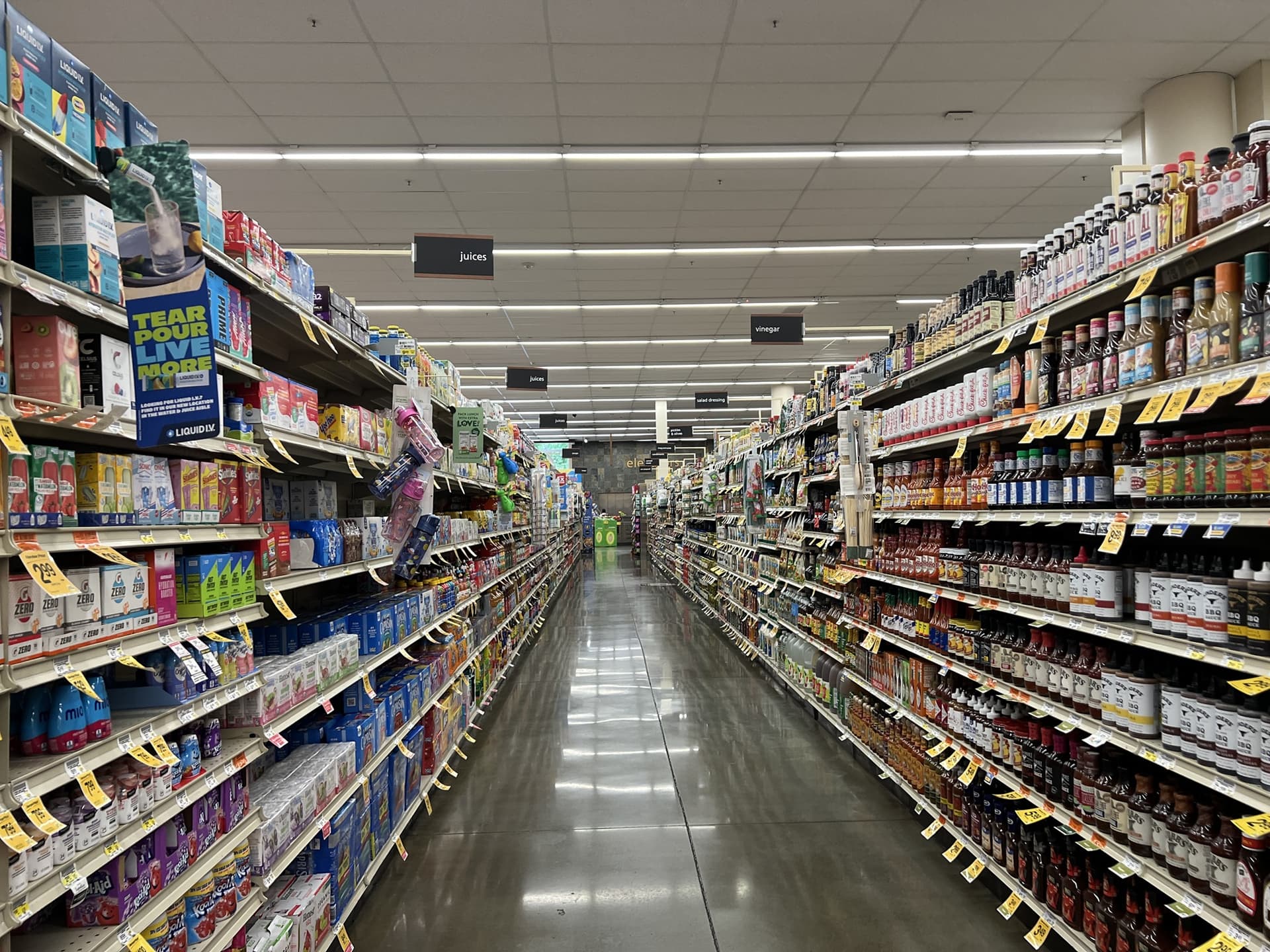
Mayor Daniel Lurie moved to oppose San Francisco’s proposed vacant grocery-store tax on July 10, after Supervisor Bilal Mahmood said Amazon pressure helped derail the plan. The fight has become less about a levy than about whether neighborhoods like the Tenderloin, the Fillmore District and SoMa will keep groceries and pharmacies within walking distance.
Mahmood introduced the Affordable Groceries Act on June 16 as a package of two ballot measures and two ordinances. He said the vacancy-tax portion would target large companies with 100 or more U.S. locations that leave grocery or pharmacy storefronts empty, and he estimated it could raise only single-digit millions, pending a controller’s report. The package also would streamline permitting for new grocery and pharmacy operators, which Mahmood said could shorten opening timelines by about six months. He said the proposal was inspired in part by Zohran Mamdani’s work in New York.
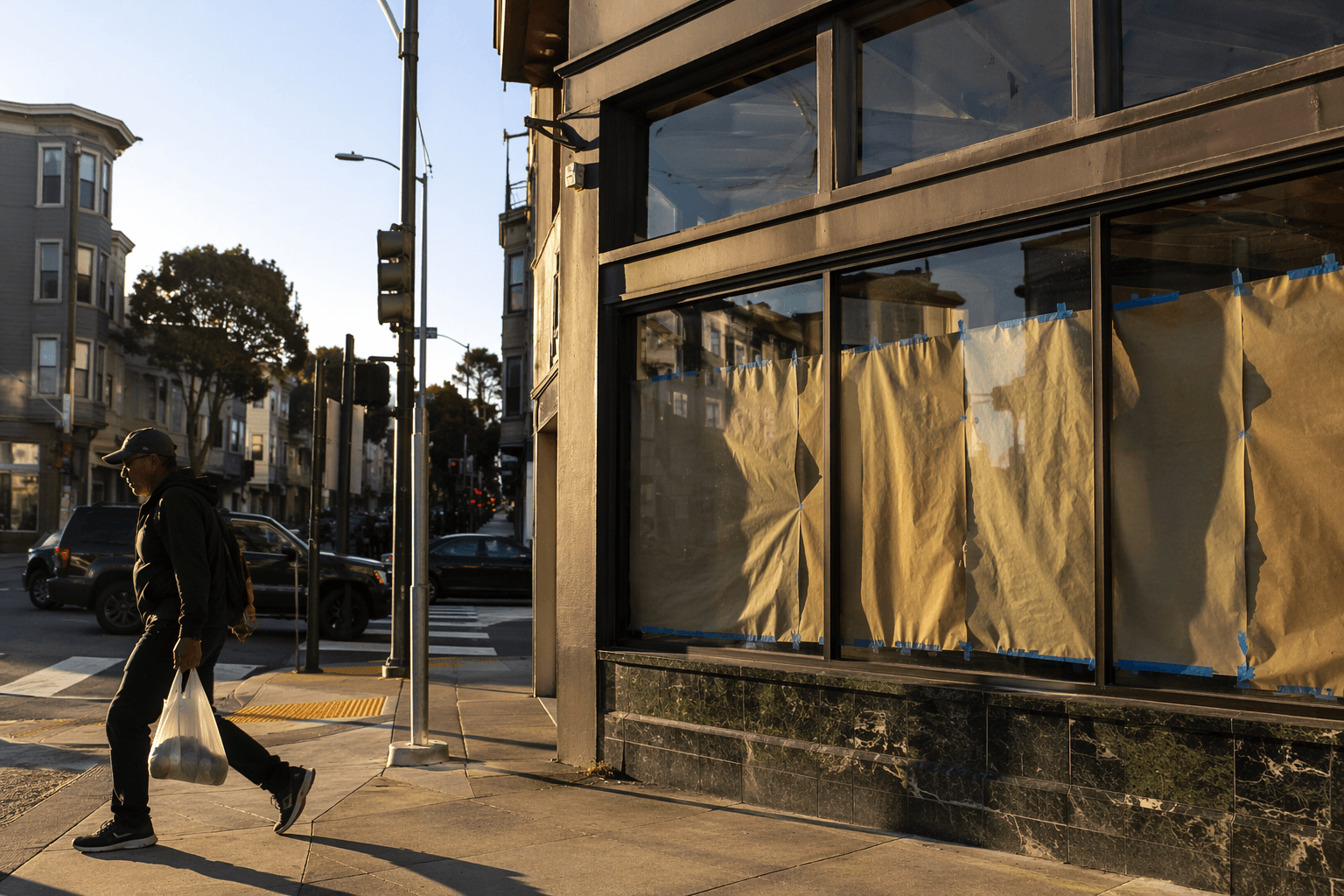
Mahmood said the pressure campaign intensified when Amazon, which owns Whole Foods Market, sought an exemption for the shuttered Whole Foods on Market Street. He said lobbyists warned they had spent $250,000 against Proposition D and could do the same again. Amazon did not comment. For Lurie, the political risk is clear: City Hall is now being judged on whether it protects residents’ access to essentials or backs away when a major corporate owner pushes back.
The stakes are easy to see in the Fillmore. In 1981, the San Francisco Redevelopment Agency sold more than four acres there to Safeway for $1.5 million, and the company agreed to operate a grocery store on the site for at least 40 years. By early 2025, Safeway had stopped selling groceries there and closed its pharmacy, turning a once-promised neighborhood anchor into another symbol of commercial retreat.
That loss lands in a city where food insecurity already carries a steep cost. San Francisco’s 2023 Biennial Food Security and Equity Report estimated the healthcare cost of food insecurity in 2019 at $204,564,276, and a 2026 city resolution said two-thirds of adults earning less than 200% of the federal poverty line are food-insecure. Mahmood has said the Tenderloin has 3,500 children but lacks even a wholesale grocery store, toy store or ice cream store.
The backdrop also includes the wave of Walgreens closures that have already strained prescription access across nearly a dozen neighborhoods, and the unanimous June vote for an 18-month zoning change making it harder to open new convenience and liquor stores in the Tenderloin and SoMa. With Whole Foods, Safeway and Walgreens all folded into the same political fight, Lurie now owns the question of whether San Francisco will defend neighborhood access to food and medicine, or explain why those doors keep going dark.
This article was produced by Prism’s automated news system from verified source data, official records, and press releases, then run through automated quality and moderation checks before publishing. The system is built and supervised by the people who set the standards it runs under. Read our full AI policy.
Did this article answer your question?