BART launches free Wi‑Fi 6E at five stations ahead of Super Bowl
BART launched free Wi‑Fi 6E at five busy stations so riders and Super Bowl visitors can connect at key hubs without cost or login barriers.

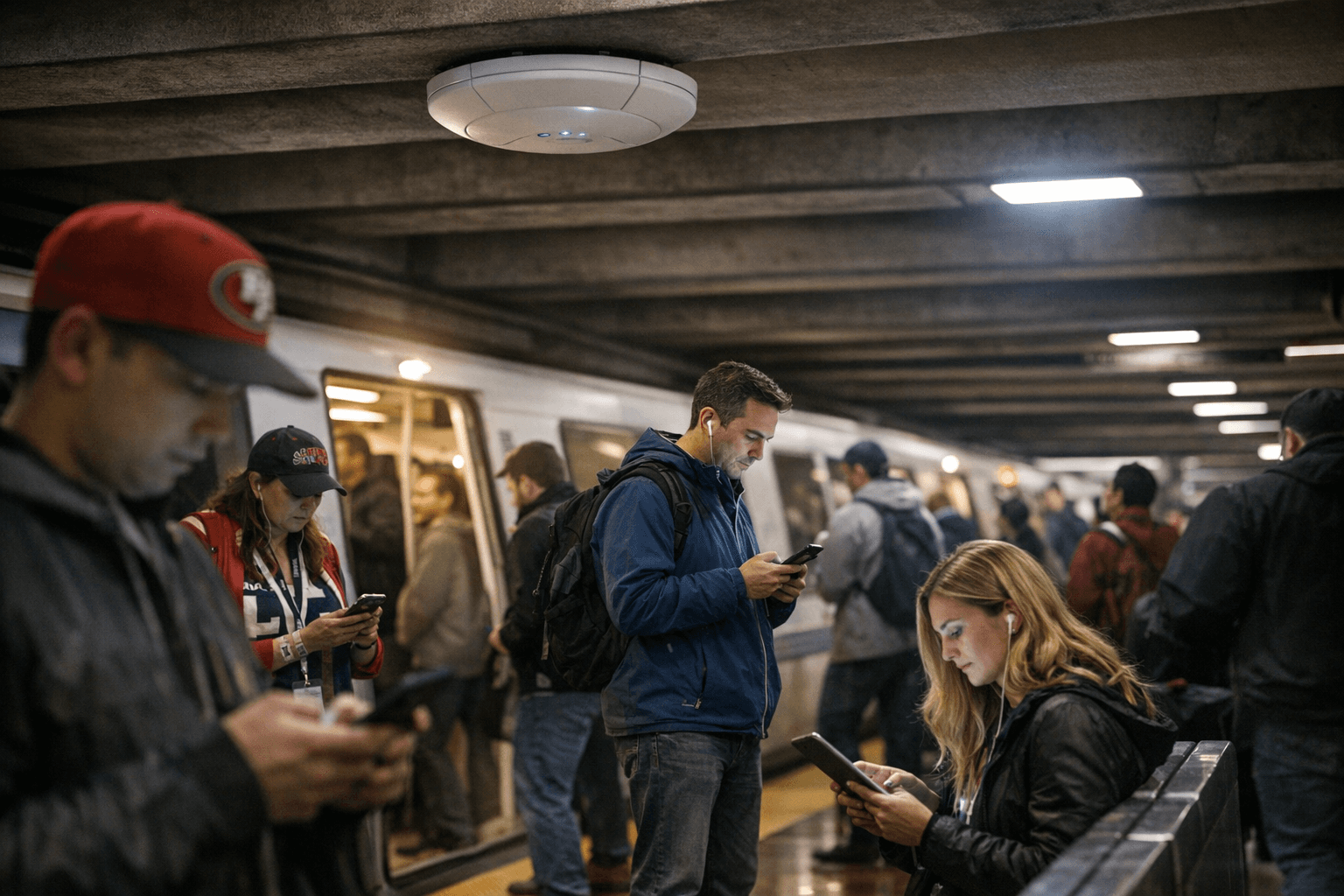
Bay Area Rapid Transit turned on free Wi‑Fi 6E at five heavily traveled stations to give fans and commuters station-level connectivity ahead of Super Bowl LX activity. The service went live as part of a phased rollout that BART and its vendor said will expand systemwide over the next two years, followed by onboard train connectivity.
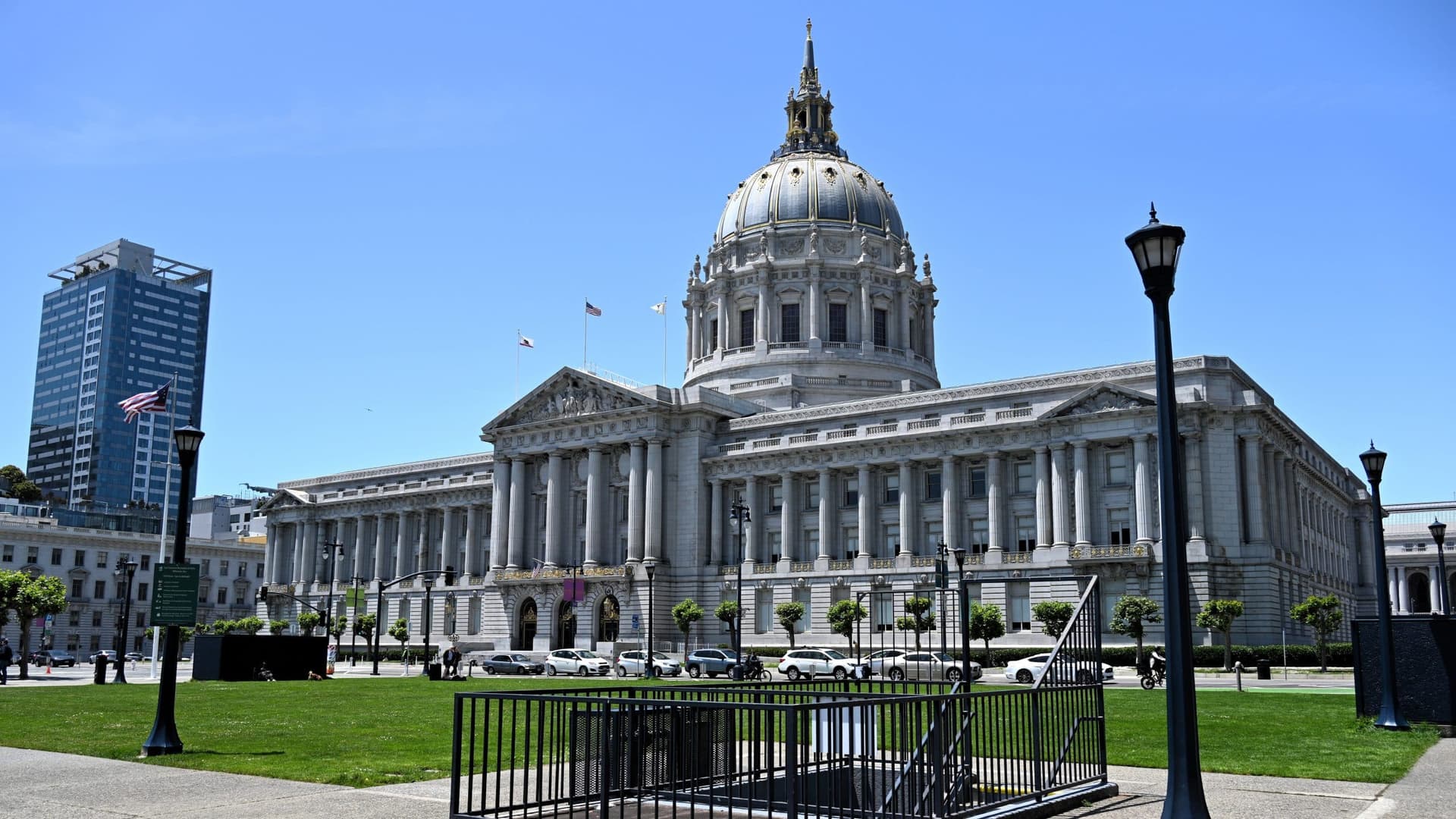
The stations with service now are San Francisco International Airport (SFO), Powell Street, Embarcadero, Civic Center and West Oakland. BART announced the launch on Feb. 2, 2026 and said SFO and Powell Street were prioritized because Super Bowl fans will be flying into San Francisco and families will be using Powell Street Station to access the official Super Bowl Experience and San Francisco Fan Zone.
Riders can join the network by selecting the SSID "BART Wi‑Fi." CBS reported that no password or email is required to connect; sessions are limited to 20 minutes and users must confirm they are still actively using the network to continue. BART and its partners stressed the service is free to riders and comes at no cost to BART under a licensing arrangement.
The Wi‑Fi uses the Wi‑Fi 6E standard (802.11ax) operating in the 6 GHz spectrum, which PR Newswire said provides reliable, blanket coverage of the stations. The station deployment is being delivered by Boldyn Networks, described in PR material as "a leading neutral host provider" and called "powered by London-based Boldyn Networks" in one report. BART copy identifies Boldyn Networks as formerly Mobilitie LLC.
The free service flows from a Licensing Agreement that BART entered with Boldyn in 2020, under which Boldyn may use BART property to deploy cellular and fiber-optic infrastructure. BART materials list benefits from that deployment including 5G coverage in the SFMTA Muni underground, new fiber-optic capacity through the Transbay Tube and multiple cellular installations around the Bay Area. CBS reported that the agency would receive a share of telecom revenue generated on BART property, estimating that at approximately $200 million over 20 years, and would gain "ownership of several new assets."
Ravi Misra, Assistant General Manager of Technology at BART, framed the rollout in customer-service terms: "Offering high-quality Wi‑Fi is being responsive to the needs of our riders and will enhance the customer experience by providing connectivity." BART also noted that "Boldyn worked with us to deliver this initial phase as the Bay Area takes to the world stage for the Big Game, and more upgrades are slated in the months and years to come."
BART said the next five stations targeted to be online by June are 16th Street, 24th Street, Balboa Park, Glen Park and Daly City, with remaining stations expected to be completed by early 2028. After station coverage is complete, the agency plans onboard Wi‑Fi for all trains.
For San Francisco County riders, the rollout promises quicker, no-cost access at key transfer points and at SFO during a week of major travel and events. Expect more stations and eventually train access through 2027 and into early 2028 as the licensing agreement work expands the region's fiber and cellular footprint.
Know something we missed? Have a correction or additional information?
Submit a Tip