City Hall weighs OpenGov, smoking rules, Free City College funding risks
City Hall is juggling three trust tests at once: can it make budget data clearer, keep promises to Free City College, and tighten smoking rules without breaking them?
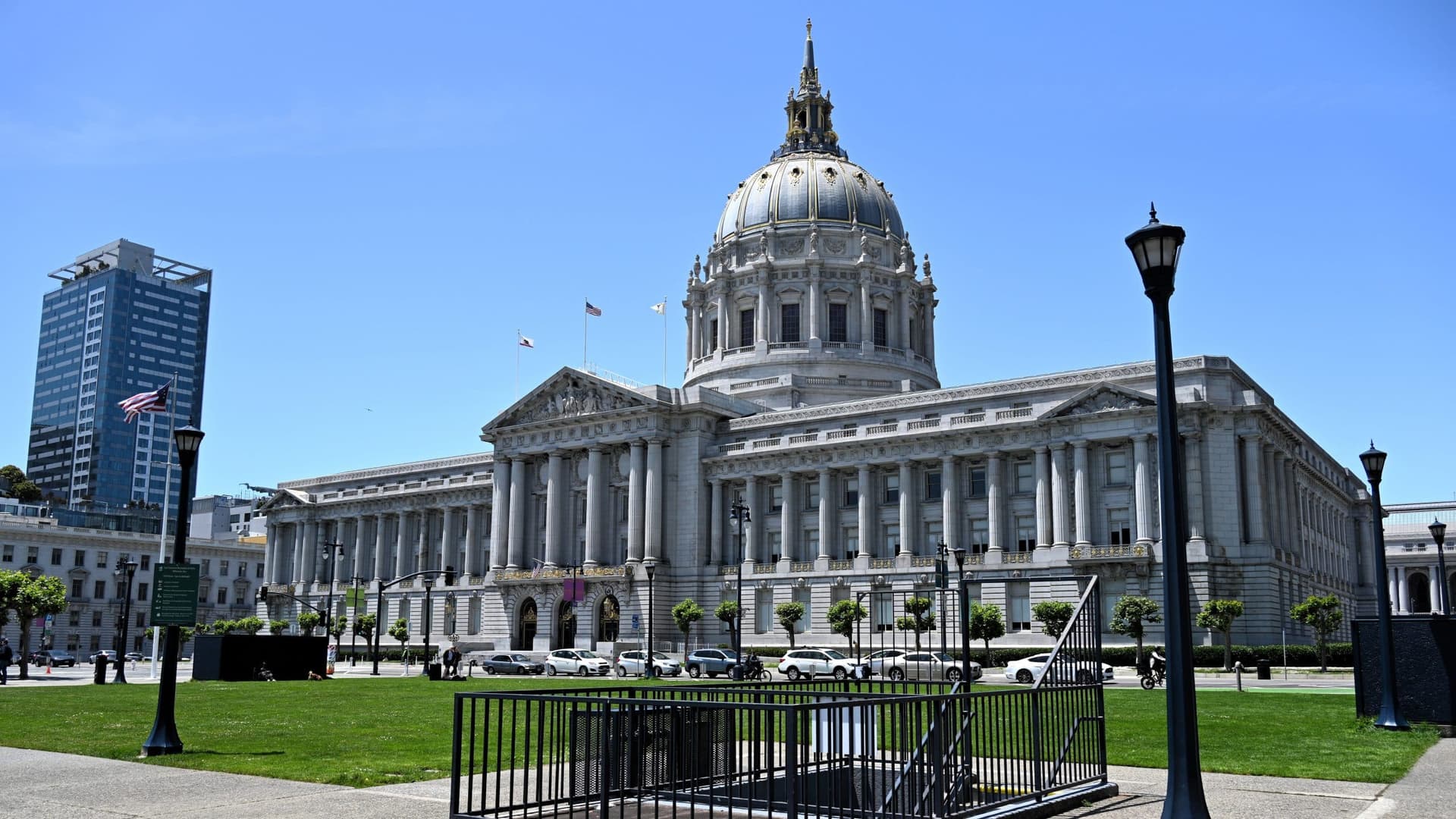
City Hall’s credibility problem is bigger than any single ordinance. Residents are being asked to trust a new transparency push, a stricter smoking rule for bars and taverns, and a long-running promise to keep Free City College funded, all while the city is building the next budget under heavy fiscal pressure. The real question is not whether these ideas sound good on paper. It is whether San Francisco can still afford to deliver them, and whether the people most affected will see the consequences first.
OpenGov, Open Book, and the transparency test
San Francisco’s budget work for fiscal year 2026-27 is already underway, and the city’s own budget calendar makes clear why that matters. Budget conversations begin in May, but the work starts in the fall for the next fiscal year beginning July 1, which means the choices made now shape the services, programs, and promises residents will live with next year. That is the backdrop for any OpenGov implementation discussion: if the city wants to sell a better way to follow the money, it has to prove it improves on what already exists.
The city already has Open Book, a public-facing platform for budget and performance data. That matters because transparency is not just about launching a new system, it is about making City Hall easier to understand, easier to audit, and harder to hide behind jargon. If OpenGov is meant to be more than a label, it has to help residents see how money flows through the City and County of San Francisco, especially in a year when the budget process is already carrying a growing number of commitments.
That credibility test reaches beyond any one mayor or supervisor. Whether the names on the door are Daniel Lurie, London Breed, or supervisors like Gordon Mar, the standard is the same: residents want to know what the city can actually sustain, and what is being promised faster than it can be financed. In a city with recurring budget stress, better software alone will not answer that question.
Smoking rules: public health, enforcement, and small-business pressure
The smoking debate is a more immediate test of whether City Hall can tighten rules without creating confusion for bars and taverns. The proposed ordinance would prohibit smoking and vaping on outdoor patios and in semi-enclosed rooms at bars and taverns. It would also eliminate some existing exceptions for indoor smoking, including bars with no employees, historically compliant smoking rooms, and hotel rooms, in order to conform with California law.
That proposal has already moved through the Small Business Commission, which discussed it at its April 27, 2026 meeting. Americans for Nonsmokers’ Rights submitted public support for the measure, underscoring that the ordinance has organized public-health backing as well as business concerns to address. For San Francisco, the practical issue is not whether smoking is controversial. It is whether the city can write a rule that is clear enough to enforce and narrow enough to avoid dragging ordinary nightlife businesses into another round of uncertainty.
The pressure point will be the outdoor and semi-enclosed spaces where the city’s social life and its regulatory instinct often collide. Bars and taverns in San Francisco have long adapted to shifting rules, but this proposal is a reminder that City Hall is still deciding how far it wants to go in regulating air, patios, and shared spaces. If officials want compliance, they will need language that operators can understand and the public can trust.
Free City College and the price of a decade-long promise
Free City College is where the budget debate becomes harder to ignore. The program is not new, and its history is part of why any threat to it lands so hard. The Board of Supervisors ratified the Free City College framework in 2017, the city increased funding in 2019 and extended the program for another decade, and the city and City College of San Francisco also agreed in 2019 to a 10-year memorandum of understanding with greater financial and programmatic oversight.
That structure matters because Free City was built to look durable. The program is overseen by a 15-member Free City College Oversight Committee, which is supposed to help keep the city accountable as the commitments mature. CCSF says Free City provides free tuition for San Francisco residents, regardless of income, and the city’s 2023-24 annual report says the point was to make postsecondary education more attainable in one of the most expensive regions in the United States.
The funding picture, though, has always lived in the shadow of citywide deficits. A city announcement said Free City College would be fully funded with $8.4 million in new funding plus $6.6 million already budgeted, along with a one-time $5.4 million payment to offset enrollment above the original cap. But the harder context is the city’s own finances: the Free City College Oversight Committee’s June 2024 minutes referenced an approximately $800 million city budget deficit, and the city’s 2024 proposed budget described a $789.3 million two-year shortfall. Those numbers explain why even a popular program can become a target when the next budget is on the table.
Dog Court and who actually decides
The new Dog Court initiative fits the same pattern of City Hall trying to show it is solving problems through process. The Commission of Animal Control and Welfare is the body that researches and s animal issues and advises City Hall, but final policy decisions rest with the Board of Supervisors, the Mayor, and the City Administrator. That division matters because it shows how many city ideas begin as advisory concepts before they become binding policy, and how easy it is for residents to hear about a new initiative before they know who is accountable for making it real.
Taken together, OpenGov, the smoking ordinance, Free City College, and Dog Court are not separate stories. They are a single credibility test. San Francisco is asking residents to believe that it can modernize transparency, regulate public space, preserve educational access, and still balance a strained budget. The next decisions will show whether those promises are being managed as durable commitments or as obligations that could be trimmed the moment the numbers get tight.
This article was produced by Prism’s automated news system from verified source data, official records, and press releases, then run through automated quality and moderation checks before publishing. The system is built and supervised by the people who set the standards it runs under. Read our full AI policy.
Did this article answer your question?