Bay Area Philanthropists Save SoMa Drag Club with Building Purchase
Oasis, the SoMa drag venue that warned it might close after its New Year’s Eve show, was rescued when Bay Area philanthropists Mark and Mary Stephens made a last-minute donation to Oasis Arts on December 29, 2025. The gift enabled Oasis to buy its building, averting immediate closure and giving the club time to plan repairs and upgrades ahead of a temporary 2026 shutdown.
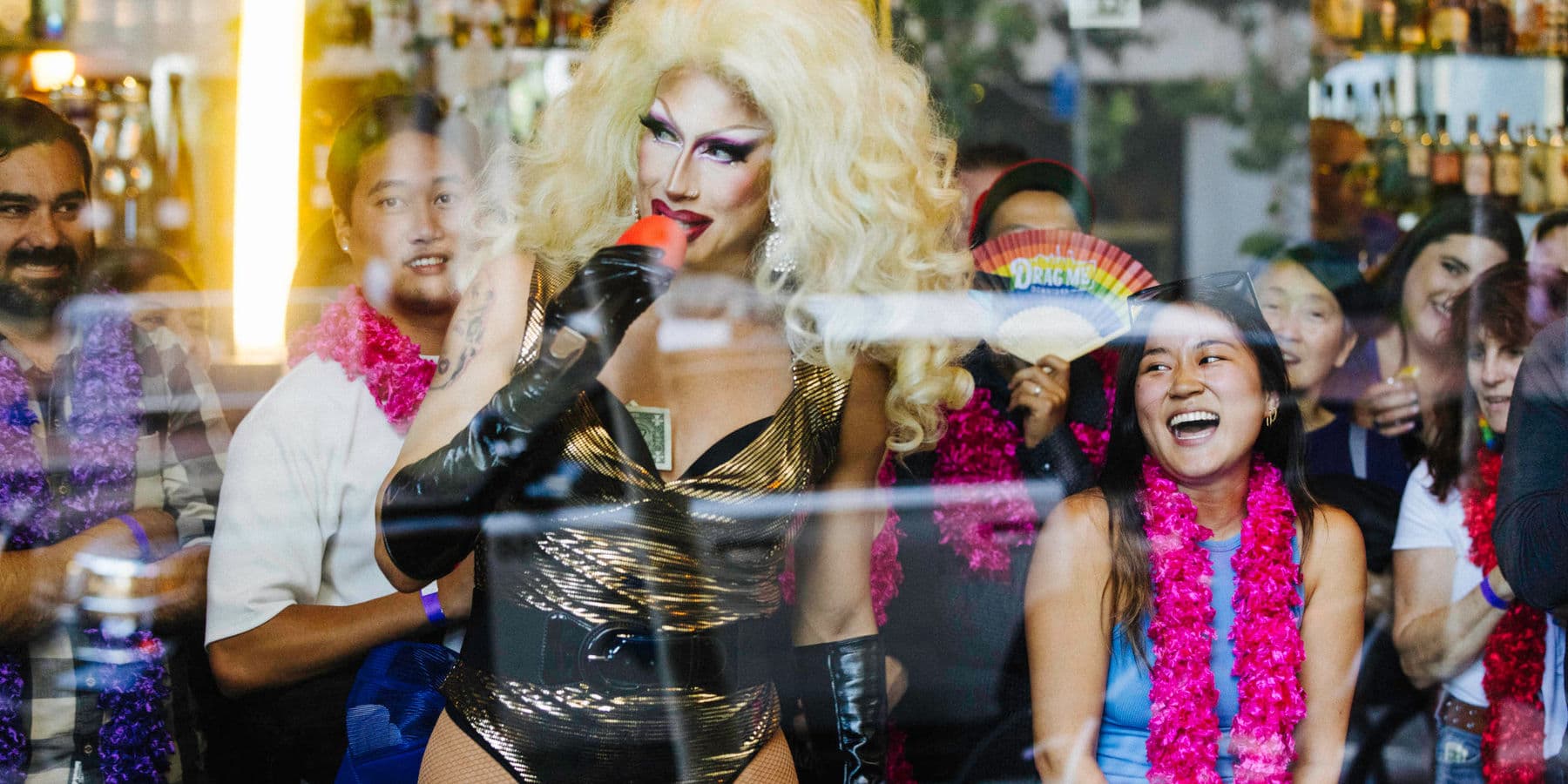
Oasis, a staple of San Francisco’s SoMa nightlife since its founding in 2014 by the late Heklina and others, avoided an abrupt end after a decisive philanthropic intervention on December 29, 2025. Facing a cascade of financial pressures that included pandemic-era revenue declines and a robbery in 2024, owner D’Arcy Drollinger had warned the venue might close after its New Year’s Eve event. The Stephens family’s donation to Oasis Arts, the club’s nonprofit arm, allowed the organization to buy the building and keep the operations intact for now.
The purchase shifts Oasis from renter to owner, a structural change that reduces exposure to market rent shocks in a neighborhood where commercial leases and redevelopment pressure have squeezed small performance spaces. For an arts-based business like Oasis, nonprofit ownership also opens access to grants, tax-exempt financing and a wider set of preservation tools that for-profit operators typically cannot use. Those mechanisms can be decisive for cultural institutions that operate on narrow margins and provide irregular box office revenue tied to shows and seasonal demand.
Local economic effects extend beyond the stage. Oasis draws performers, tourists and regulars whose spending supports nearby restaurants, bars and services in SoMa. Preserving the venue maintains jobs for performers and staff and protects part of the neighborhood’s cultural tourism draw. For residents who rely on local nightlife for income or community, the immediate threat of closure being removed is a tangible relief.
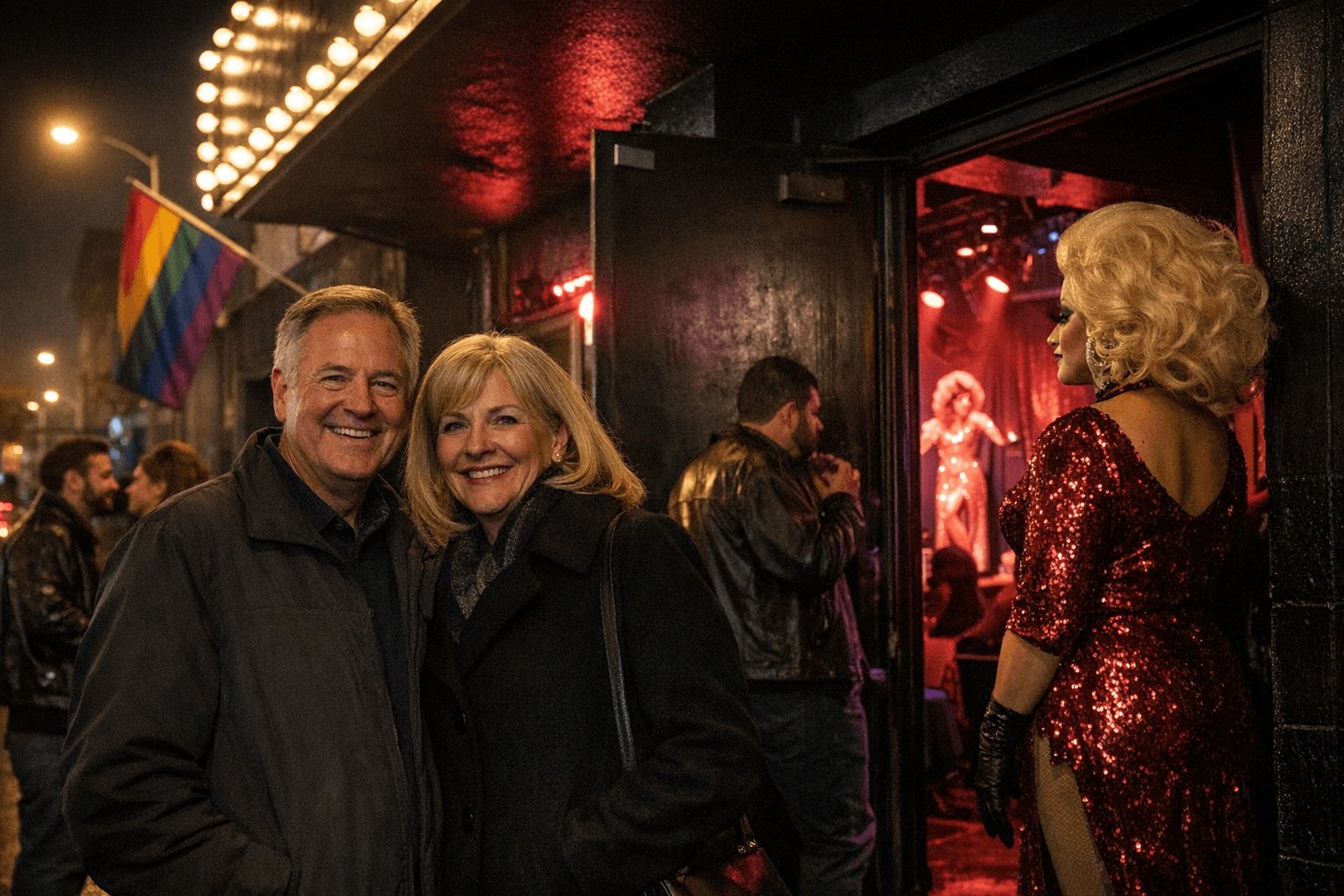
The club is not done with transitions. Oasis plans a temporary multi-month closure in 2026 to repair and upgrade the building, with hopes of reopening in the summer. That pause will allow the venue to address safety and infrastructure needs that accumulated during years of deferred maintenance and pandemic-era disruption. The short-term shutdown is likely to be accompanied by capital work that could increase operating costs but also improve long-term resilience.
The rescue underscores broader trends in San Francisco and other major cities: small cultural venues remain vulnerable to market cycles, and philanthropic or nonprofit pathways are increasingly used to preserve community assets. For policymakers, the episode highlights the limits of ad hoc philanthropy as a preservation strategy and the potential role for targeted public incentives, zoning protections and subsidized acquisition programs to protect cultural institutions that contribute to neighborhood identity and local economic activity.

For now, Oasis’s future is secured through new ownership and a planned rebuilding period, offering a model that other threatened venues may consider as they balance cultural value against market realities.
This article was produced by Prism’s automated news system from verified source data, official records, and press releases, then run through automated quality and moderation checks before publishing. The system is built and supervised by the people who set the standards it runs under. Read our full AI policy.
Did this article answer your question?

