Bay Area Transit Agencies Offered Free New Year’s Eve Rides
Muni and several Bay Area transit operators ran fare-free or extended late-night service on New Year’s Eve into Jan. 1, aiming to ease crowding and reduce impaired driving. The move provided safer, more affordable travel for San Francisco residents but comes amid long-standing SFMTA budget pressures and looming ballot measures to shore up transit finances.
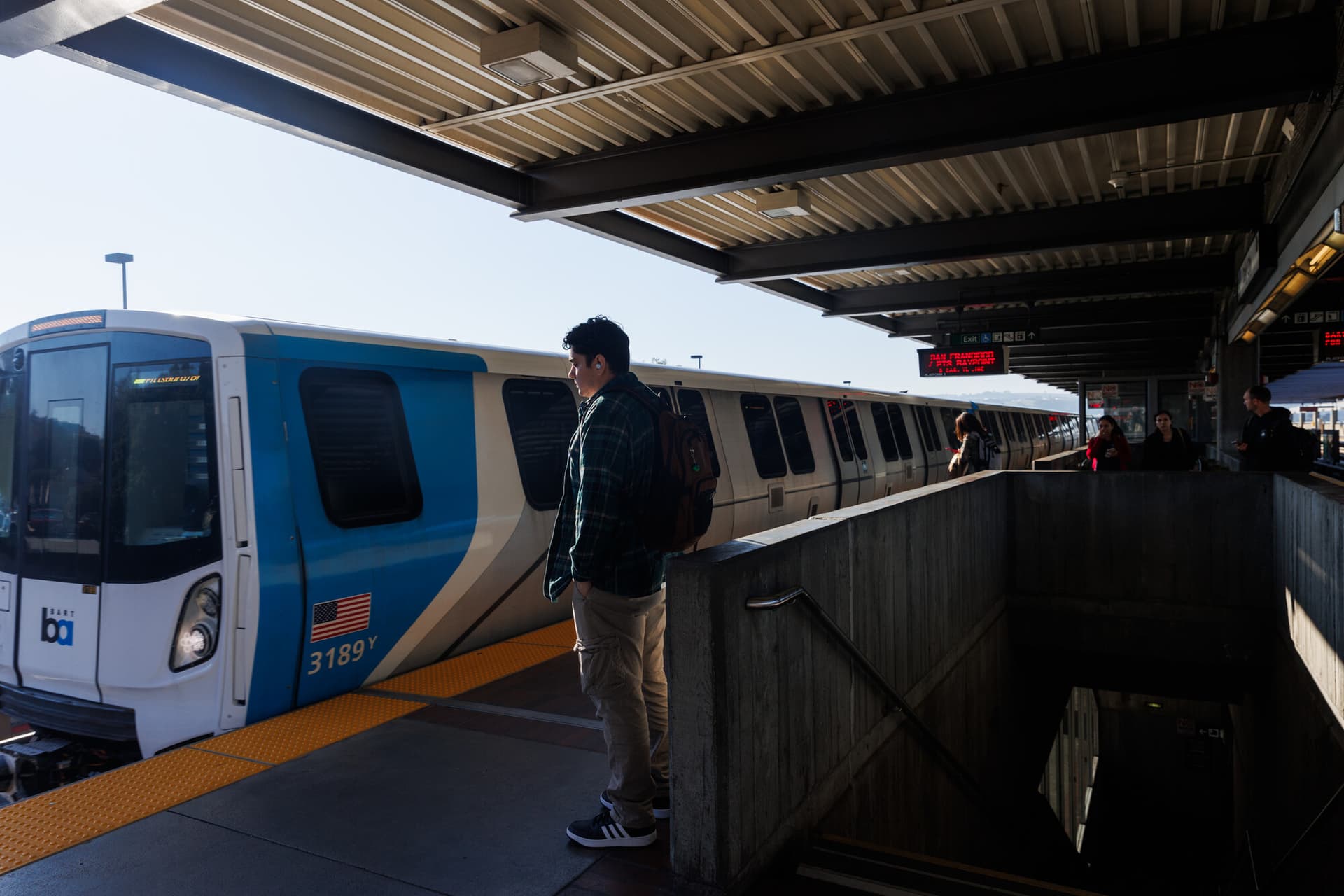
San Francisco Municipal Transportation Agency buses and trains joined regional operators in offering free or extended late-night service on New Year’s Eve, with Muni suspending fares from 8 p.m. through 5 a.m. on Jan. 1. The agency also added supplemental subway and bus service to ease crowding on core routes as revelers returned from celebrations across the city.
Caltrain, SamTrans, AC Transit and other Bay Area operators similarly expanded schedules or waived fares for the holiday period, creating a patchwork of free and later-running options for commuters and night-time travelers. Transit officials framed the coordinated effort as a public safety measure designed to provide reliable alternatives to driving under the influence and to manage large passenger volumes at key transfer points and late-night destinations.
Operational details emphasized crowd management as much as fare relief. Muni deployed extra vehicles on subway and surface lines during peak post-midnight periods to reduce platform overcrowding and shorten wait times. Transit staff and increased late-night service patterns were intended to keep riders moving through central arteries of the city and to support hospitality and nightlife workers who rely on transit to get home after shifts.
The benefit to local residents was immediate: cost-free rides removed a financial barrier to safe travel for thousands of people attending events or working late shifts, and supplemental service helped mitigate long waits and congested platforms that can pose safety risks. For neighborhoods with limited late-night options, the temporary expansions offered rare mobility gains and underscored transit’s role in public health and safety during major city events.

At the same time, the campaign highlighted the fiscal tensions facing SFMTA. Providing fare-free service and additional vehicles for holiday coverage carries costs that agency leaders say are difficult to sustain under current revenue projections. City officials have signaled that upcoming ballot measures will be necessary to stabilize transit finances and preserve expanded service options in the future.
For San Francisco residents, the New Year’s Eve operations demonstrated both the immediate public-safety value of late-night transit and the longer-term trade-offs between expanded service and budget constraints. As the city moves into the campaign season for proposed funding measures, voters will be asked to weigh those trade-offs when deciding how to support transit infrastructure and operations that many residents relied on during the turn of the year.
This article was produced by Prism’s automated news system from verified source data, official records, and press releases, then run through automated quality and moderation checks before publishing. The system is built and supervised by the people who set the standards it runs under. Read our full AI policy.
Did this article answer your question?