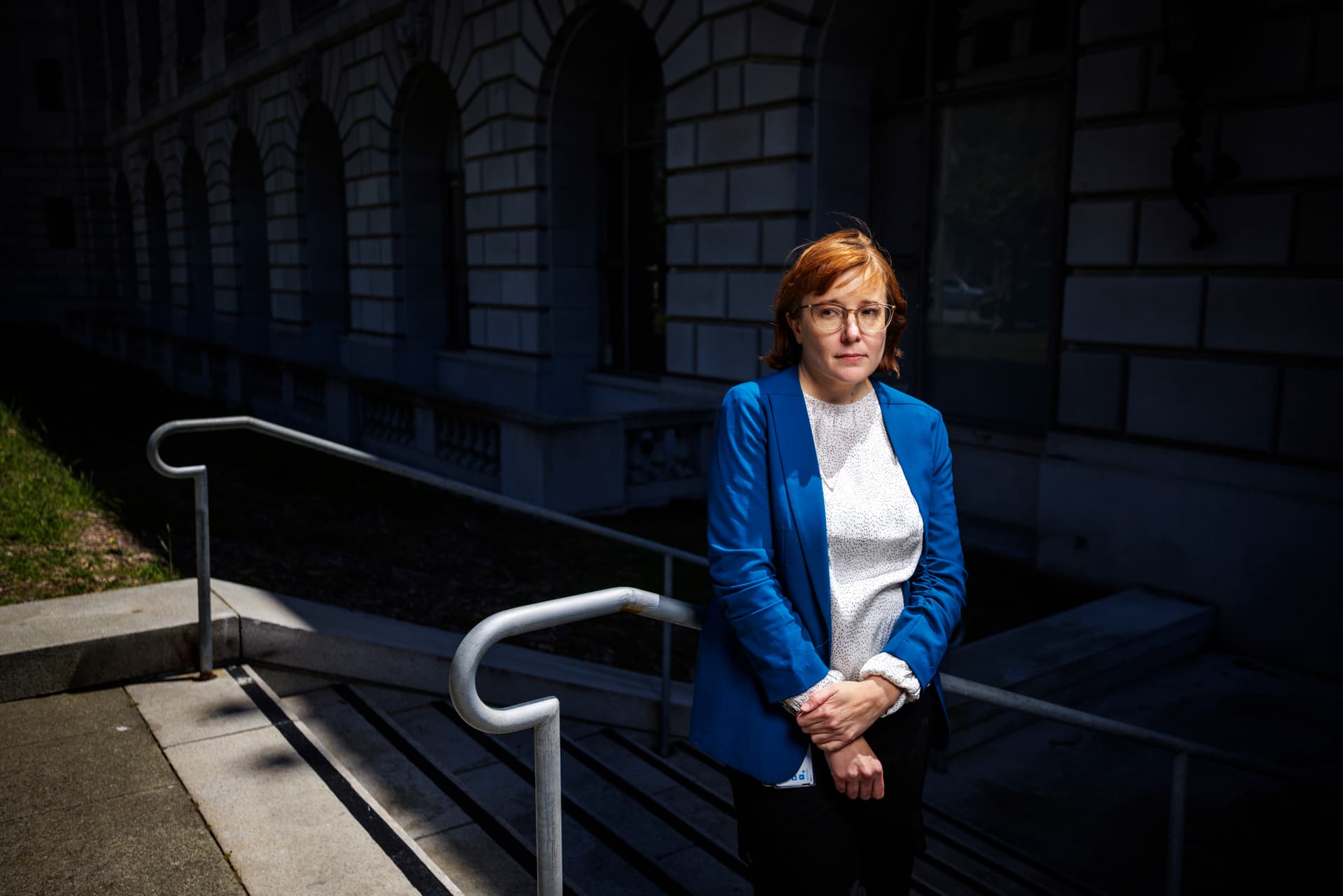
California Supreme Court orders affordable bail, San Francisco DA warns of fallout
Dozens of San Francisco inmates could seek release after the state Supreme Court ordered affordable bail for nonviolent suspects, as Brooke Jenkins warned of fallout.
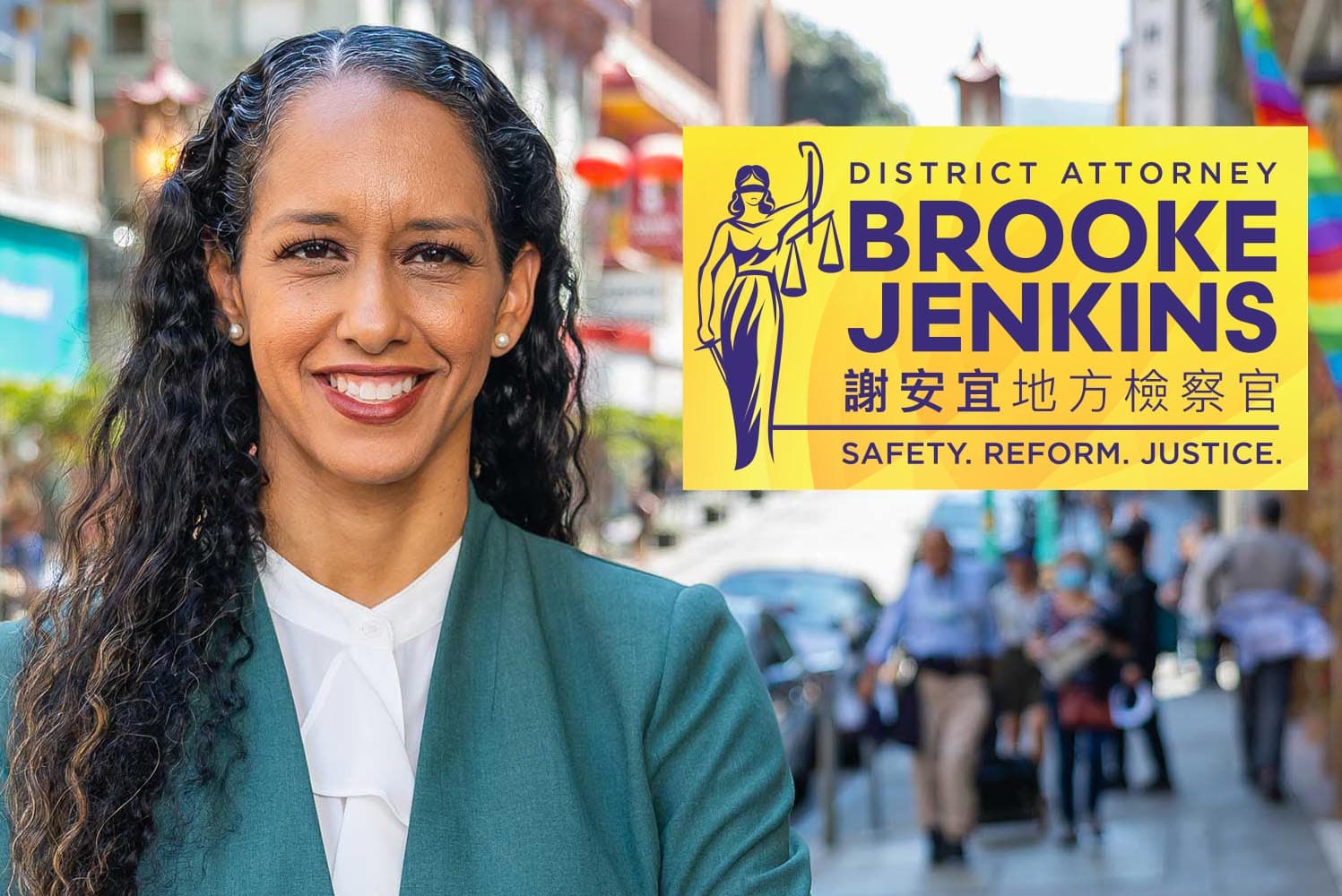
Dozens of people in San Francisco jails may soon seek release after the California Supreme Court said judges must set bail that nonviolent suspects can actually afford, a change District Attorney Brooke Jenkins warned could ripple through already crowded courtrooms and county lockups.
The unanimous ruling on April 30 said people charged with crimes in California must be granted bail in amounts they can reasonably attain unless they face capital charges or serious charges and pose a threat of violence if released. Lawyers said the decision could affect thousands of cases statewide, and it has already prompted release motions for dozens of inmates, including repeat offenders.
For San Francisco, the timing lands squarely on a jail system already under strain. The Sheriff’s Office said on February 5, 2025, that reopening dorms at the San Bruno jail annex would add 180 beds. Officials said then that the city’s jail population had grown 35% over two years, to an average daily population of more than 1,200 from 800 in 2023. The annex was designed to hold a maximum of 300 people.
Jenkins called the court’s action devastating for public safety efforts in the city. Her warning comes as San Francisco officials have been pointing to declines in some crime measures in 2025, while the City and County of San Francisco continues to track reported offenses, 911 call volume and response, ambulance response and county jail population on its Public Safety Scorecard.
The ruling built on the court’s 2021 In re Humphrey decision, which found that conditioning pretrial release solely on whether an arrestee can afford bail is unconstitutional. The Judicial Branch of California has said an arrestee’s release pending trial is often conditioned on whether that person can make bail, but Humphrey required bail decisions to account for public and victim safety, not just the ability to pay.
That leaves judges with clear limits and clear discretion. They must now set affordable bail for nonviolent defendants, but they can still deny that path in capital cases or where serious charges are paired with a threat of violence if the person is released. For San Francisco courthouses, from the Hall of Justice to the proceedings tied to County Jail No. 3, the immediate question is how many people will press for new hearings and how quickly judges will move on them.
Know something we missed? Have a correction or additional information?
Submit a Tip