California tightens robotaxi rules after San Francisco emergency complaints
A San Bruno stop exposed the loophole: no driver, no ticket. California now lets police cite robotaxi companies and clear AVs from emergency zones.
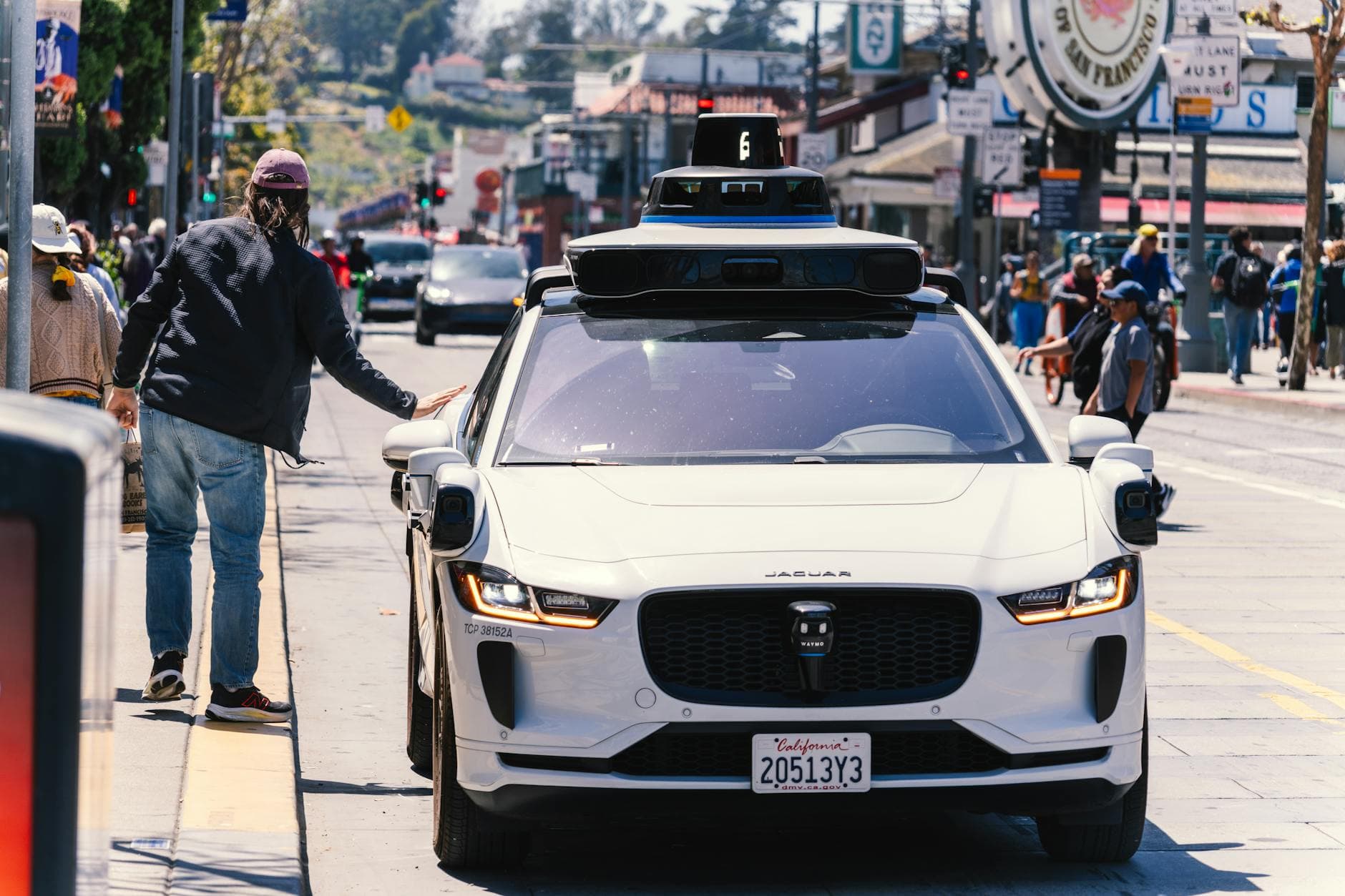
A San Bruno officer who pulled over a driverless Waymo for an illegal U-turn during a DUI enforcement operation found the same problem San Francisco has been wrestling with for years: no human driver meant no one to ticket. California regulators moved to close that gap on April 28, when the California Department of Motor Vehicles adopted new autonomous-vehicle rules that let law enforcement issue notices of traffic violations directly to AV companies when their vehicles commit moving violations.
For San Francisco, where robotaxis have repeatedly stalled traffic and drawn complaints from emergency responders, the change is more than a technical tweak. Fire officials in the city documented more than 600 autonomous-vehicle incidents from June 2022 to June 2023, and a December 2025 PG&E outage left many Waymo vehicles stalled in intersections, in some cases blocking emergency crews and public transit. Under the new framework, local emergency officials can issue electronic geofencing directives to clear autonomous vehicles from active emergency zones, giving the city a practical tool it did not have when cars froze in the way of fire engines or police.
The DMV said the new rules are the most comprehensive AV regulations in the nation. They cover both light-duty and heavy-duty autonomous vehicles, and they require annual updates to first responder interaction plans, access to manual vehicle override systems and two-way communication links with 30-second response times. That matters in San Francisco because the city has become one of the main testing grounds for driverless cars, and the fights over where they can stop, turn and idle have turned from theory into street-level friction.
The rules also open the door for driverless trucks on California roads, widening the stakes beyond robotaxis. Freight operators, transit planners and emergency agencies will now have to work under the same enforcement structure, with companies answerable when automated vehicles violate traffic laws or interfere with response routes.
California’s decision follows a long history of caution from state regulators. The state revoked Cruise’s operating permit in 2023 after serious safety incidents, a reminder that the promise of autonomous mobility has always been tied to public trust. In San Francisco, where the arguments have played out block by block, the new rules mark a sharper line: if a vehicle is going to use the public street, its operator will finally have to answer to the public rulebook.
This article was produced by Prism’s automated news system from verified source data, official records, and press releases, then run through automated quality and moderation checks before publishing. The system is built and supervised by the people who set the standards it runs under. Read our full AI policy.
Did this article answer your question?