Democratic Gubernatorial Candidates at UCSF Condemn Federal Immigration Tactics, Pledge Resistance
Democratic candidates at UCSF condemned recent federal immigration tactics and promised to curb state cooperation to protect newcomer communities, signaling local policy fights ahead.
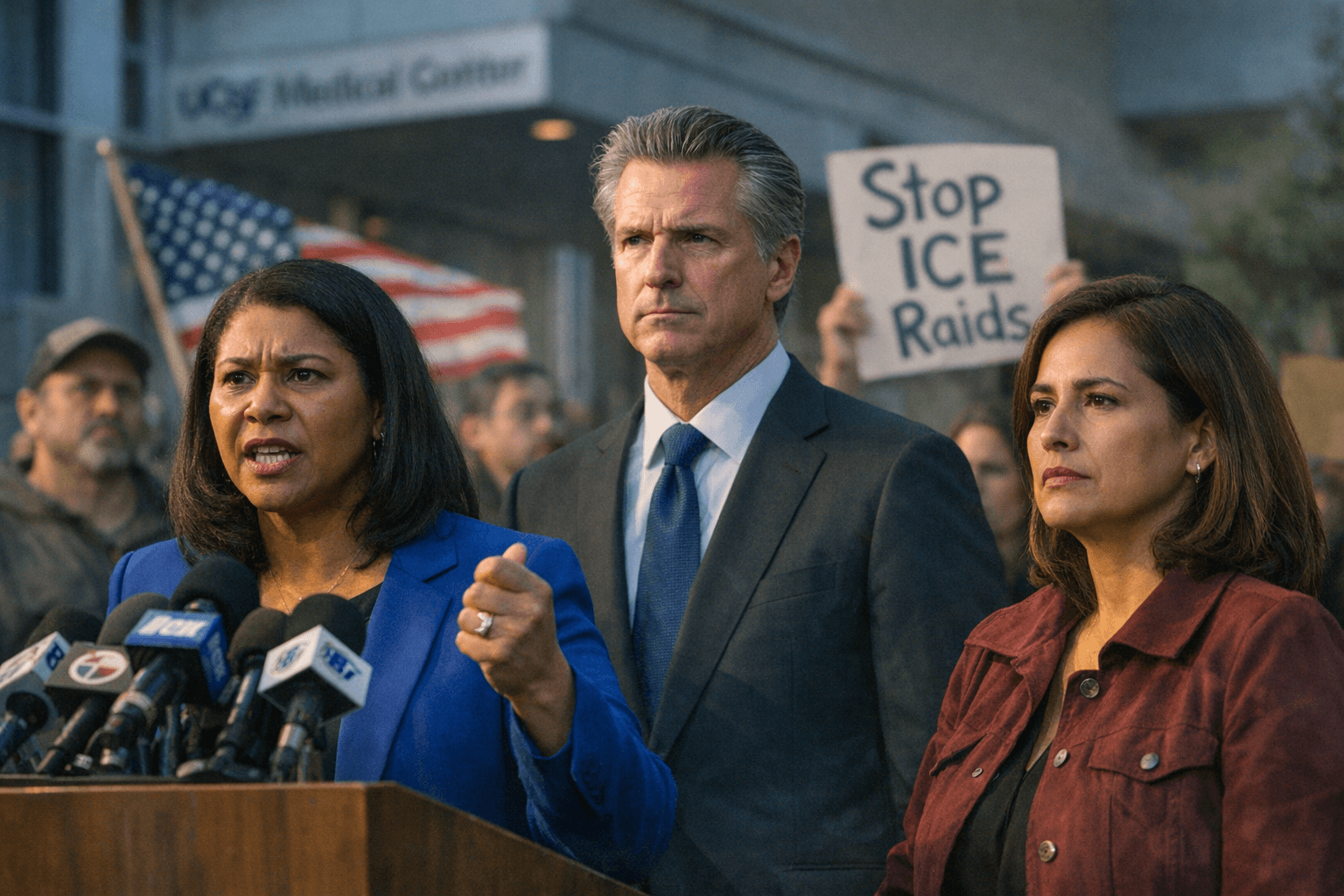
Several leading Democratic gubernatorial contenders used a forum at UCSF’s Mission Bay campus to deliver a forceful rebuke of federal immigration enforcement and outline plans to shield California newcomer communities. Former Rep. Katie Porter, philanthropist Tom Steyer, former Los Angeles Mayor Antonio Villaraigosa and State Superintendent Tony Thurmond jointly criticized recent fatal federal immigration operations elsewhere in the United States and pledged resistance if elected governor.
The event, hosted by the Urban League of the Greater San Francisco Bay Area on Jan. 26, 2026, focused on immigration policy but ranged into public safety and labor protections. Candidates argued that aggressive federal raids undermine trust between immigrant residents and local institutions, complicate policing and threaten essential workers who sustain San Francisco’s hospitals, restaurants and construction sites. The forum drew broad media attention for the sharpness of the criticism leveled at federal agents.
Porter, Steyer, Villaraigosa and Thurmond said the governor’s office can act to limit state cooperation with federal immigration enforcement and protect legal due process for people in California. They discussed measures to preserve sanctuary-era protections, support labor rights for newcomers and strengthen local public-safety strategies centered on community trust rather than immigration enforcement. Speakers linked those policy choices to local workforce stability and to San Francisco’s longstanding municipal priorities on inclusion and equal access to city services.
For San Francisco County, the candidates’ statements matter in practical ways. A governor who restricts state-level cooperation with federal immigration authorities could shape how state agencies interact with county services, influence funding priorities for legal aid and health programs, and affect training and directives issued to state law enforcement that operate in the Bay Area. Newcomer communities in neighborhoods across the city, including large Latinx and Asian immigrant populations, could see changes in how they engage with public agencies if a governor adopts the approaches discussed at the forum.
The criticism also carries national resonance. Candidates framed the dispute as part of broader tensions between federal enforcement programs and state-level efforts to protect vulnerable populations, an issue with implications for international law and perceptions of U.S. immigration policy abroad. For residents whose families span borders, the debate touches on cross-border remittances, labor mobility and humanitarian obligations that reverberate beyond California.
As the campaign proceeds, San Franciscans can expect immigration policy to remain a prominent dividing line among Democrats. The next steps will include more detailed policy proposals from each campaign and discussions over how far state authority can go to limit federal action. For local voters, the forum underscored that the gubernatorial race will shape not just Olympia and Sacramento politics but the everyday relationship between newcomers and the civic institutions that serve them.
This article was produced by Prism’s automated news system from verified source data, official records, and press releases, then run through automated quality and moderation checks before publishing. The system is built and supervised by the people who set the standards it runs under. Read our full AI policy.
Did this article answer your question?