DNA reveals Alcatraz coyote swam from Angel Island, not San Francisco
DNA showed the Alcatraz coyote had crossed from Angel Island, turning a strange island sighting into a nearly two-mile Bay swim.

A lone coyote that turned up on Alcatraz Island did not come from San Francisco after all. DNA from scat collected on the island showed the animal had swum from Angel Island State Park, nearly two miles away, a far longer crossing than biologists first suspected.
Researchers initially thought the coyote likely had come from San Francisco, a little over a mile from Alcatraz. The genetic evidence changed that picture completely. UC Davis confirmed the animal was male, and Ben Sacks, a UC Davis researcher, said three coyote populations could have been the source: San Francisco, Southern Marin and Angel Island. The DNA match pointed to Angel Island.
The coyote was first documented in early January video and then seen again in late January. Park staff found tracks and scat, then sent samples to UC Davis for analysis. National Park Service researchers determined on May 4 that the animal likely started its swim from Angel Island State Park. After the January sightings, the coyote’s whereabouts remained unknown, despite follow-up monitoring and trail cameras.
The Park Service had prepared to capture the animal because Alcatraz is home to sensitive seabird nesting habitat. The island supports cormorants, gulls, night herons, egrets and pigeon guillemots, and park managers have long treated that habitat as significant. The coyote never reappeared on camera, adding another layer of mystery to a crossing that already surprised wildlife experts.
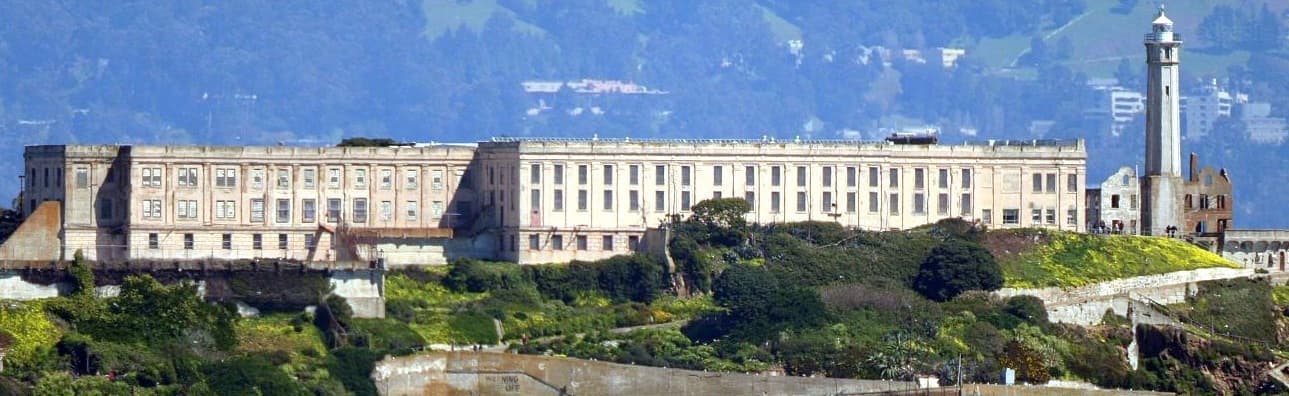
For biologists, the bigger lesson is not just that a coyote swam the Bay, but that San Francisco Bay is a living corridor, not a wall. Coyotes recolonized San Francisco in 2002, and UC Davis research has shown they are highly adaptable animals shaped by the urban landscape around them. Project Coyote’s Camilla Fox said coyotes are capable swimmers, but sightings of them in the water are extraordinarily rare. She said the animal likely left its home range in search of a mate or new territory.
Angel Island, at 740 acres, is the largest island in San Francisco Bay, and the revised origin makes the coyote’s journey even more striking. In a city where Alcatraz is usually linked to prison history, immigration stories and tourism, the island briefly became part of a wildlife movement story that underscored how close the city, its parks and its wild places really are.
This article was produced by Prism’s automated news system from verified source data, official records, and press releases, then run through automated quality and moderation checks before publishing. The system is built and supervised by the people who set the standards it runs under. Read our full AI policy.
Did this article answer your question?