Taiwanese Cultural Festival Brings Market, Food, and Music to Union Square
A Taiwanese market will fill Union Square with food, music, and handmade goods, testing whether cultural crowds can bring downtown energy back.
A market that turns the plaza into a neighborhood commons
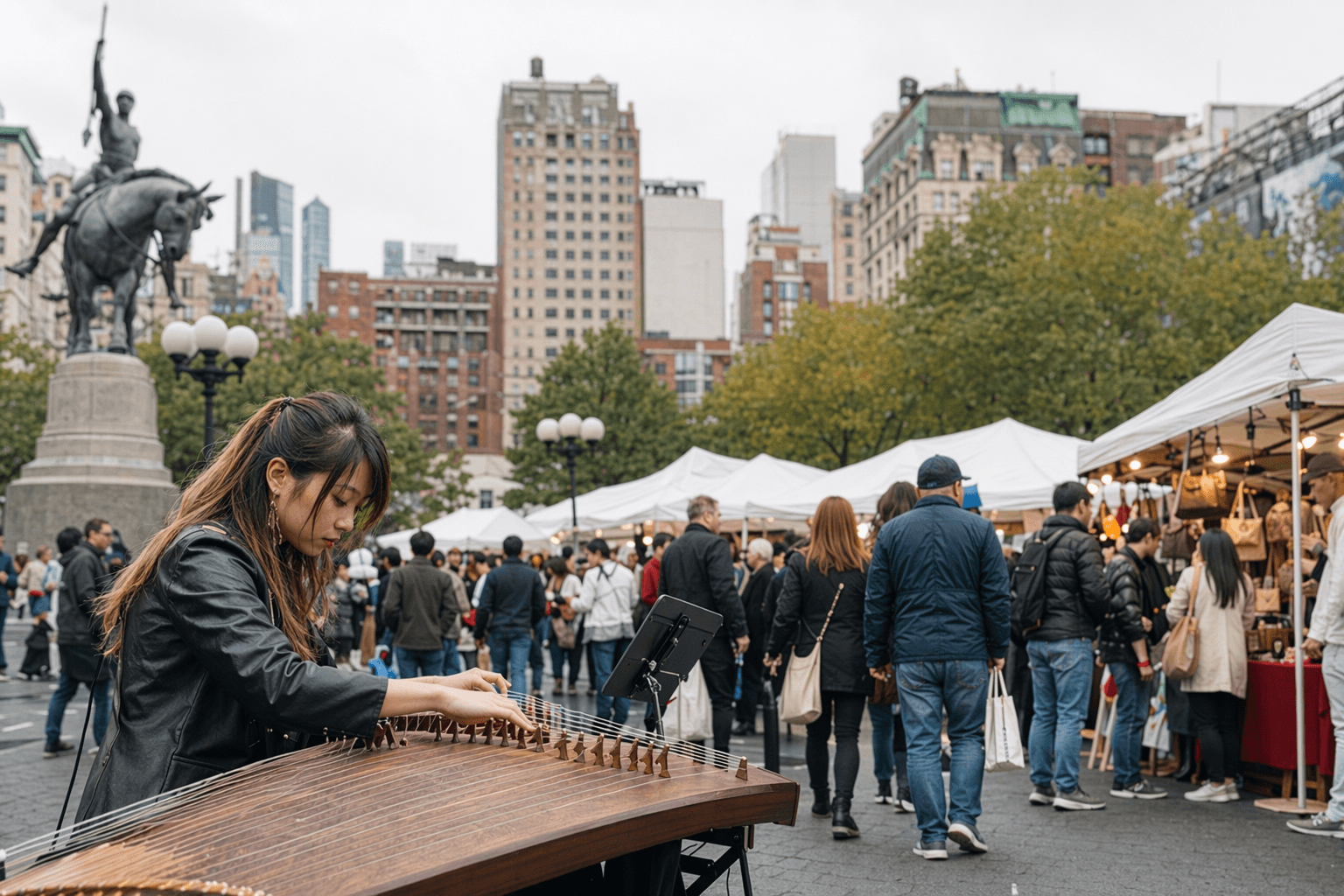
Union Square is about to feel less like a shopping district and more like a public square with a pulse. The 33rd annual Taiwanese American Cultural Festival takes over 333 Post Street on Saturday, May 9, from 10 a.m. to 4 p.m., bringing a crowded Taiwanese market into the middle of one of San Francisco’s most visible downtown spaces.
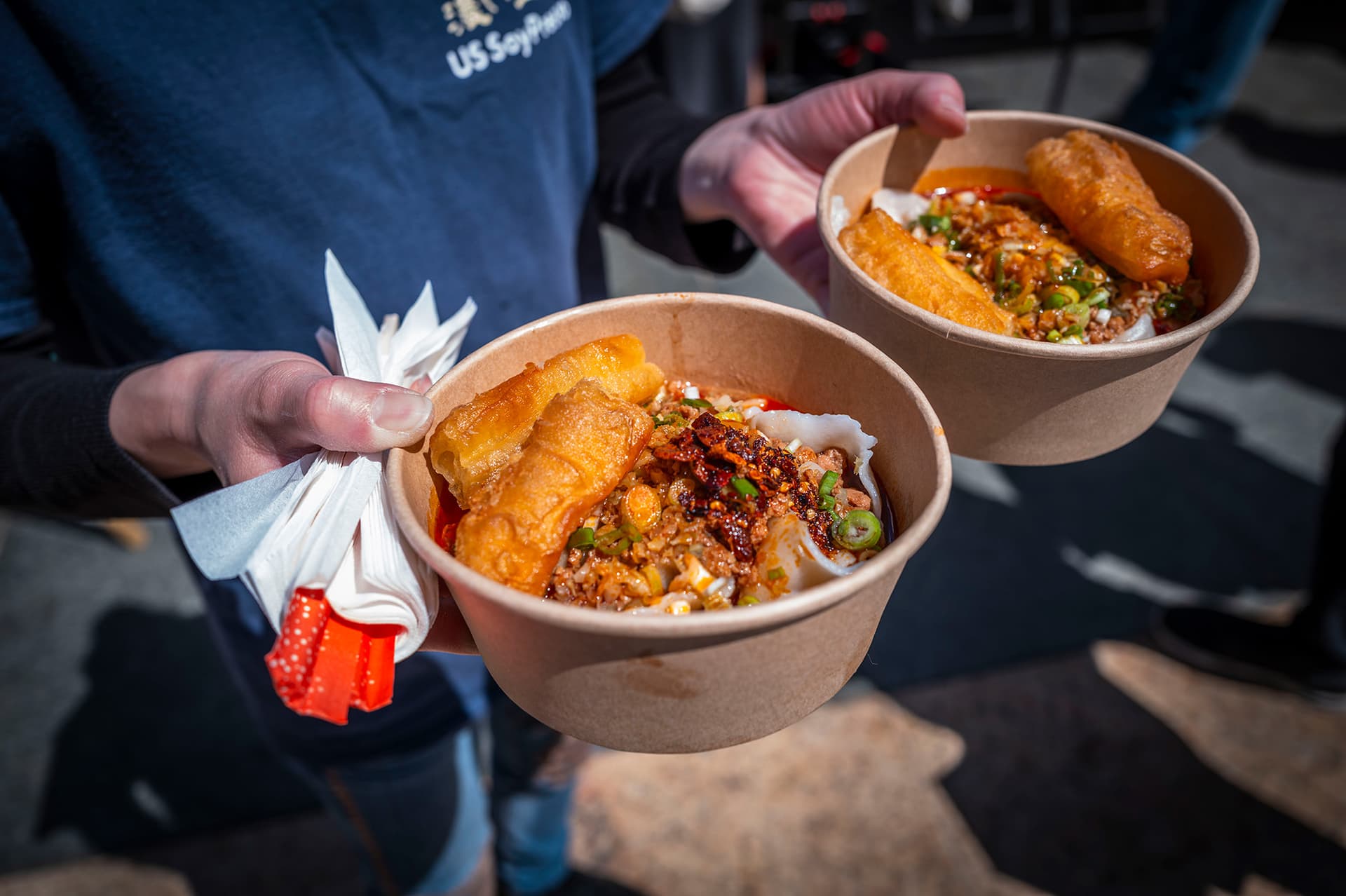
The draw is not just the food, although the menu is a big part of the appeal. Visitors can expect gua bao, lu rou fan, black pepper buns, boba drinks, and a spread of Taiwanese dishes, alongside T-shirts, handmade stationery, artisanal soy sauce, and other goods that give the event the feel of an open-air cultural marketplace. That mix is what makes the day more than a lunch stop. It is a chance to experience an immersive version of Taiwanese life without leaving downtown San Francisco.
What to expect when you arrive
The festival is free and family-friendly, which matters in a city where a lot of downtown experiences come with a price tag. TAP-SF says the event has been held since 1993 and has grown into the West Coast’s largest Taiwanese American cultural celebration, drawing more than 10,000 visitors a year. That scale is part of the point: this is a community tradition that now operates on the level of a major civic gathering.
Inside the plaza, the atmosphere should feel busy in the best way. Dozens of vendors will create the kind of density that makes people linger, talk, sample, and move from stall to stall instead of passing through quickly. For families, it offers an easy Saturday destination. For tourists, it creates a more grounded way to encounter the city than a standard retail visit. For people with Taiwanese roots, it turns a central public space into a place where identity is visible rather than tucked away.
A few things to look for:
- Taiwanese food that anchors the festival’s identity, especially gua bao, lu rou fan, and black pepper buns
- Market stalls selling handmade stationery, T-shirts, and artisanal soy sauce
- Boba drinks and other casual food and drink stops that make it easy to stay longer
- A crowd that mixes local residents, visitors, and families in the middle of downtown
Why Union Square matters here
The festival is also a downtown test. City officials and planning materials have been clear that Union Square and Yerba Buena remain central to San Francisco’s recovery. The area accounts for almost half of all visitor travel to the city, contains half of the city’s hotel rooms, and holds more than 3.5 million square feet of retail space. Another city statement puts the district’s scale even higher, saying Union Square welcomes almost 10 million visitors a year and has more than 4.8 million square feet of retail space.
That is why events like this carry so much weight. They are not only cultural celebrations, they are a way to bring people back into a district that has spent years trying to rebuild foot traffic and stabilize retail. The city’s HEART Action Plan, launched in June 2024, was created to address storefront vacancies, declining foot traffic, and the slow recovery of tourism in Union Square and Yerba Buena. In February 2026, Mayor Daniel Lurie said activations and programming would continue in Union Square through summer 2027, part of a broader effort to keep the area active beyond a single weekend.
City leaders have paired that push with public safety messaging, saying crime is down more than 40% in Union Square and the Financial District under Lurie’s administration. That matters because families, seniors, tourists, and small-business owners all read the same signals when they decide whether to spend time downtown. A crowded festival cannot solve every challenge, but it does show how public space can feel when people are invited in and have a reason to stay.
A cultural celebration with economic spillover
The festival’s impact is easiest to see at the plaza, but its real test begins when people spill outward. Nearby restaurants, cafes, and retail shops depend on whether a festival crowd stays in the neighborhood after the first plates are cleared. That is where the city’s broader recovery strategy comes into focus: not just filling space for a few hours, but creating enough energy that nearby storefronts benefit too.
The city-backed Vacant to Vibrant program has already expanded into Union Square, with nearly $3 million set aside to activate four to six storefronts along Powell Street. The program says it has brought 17 vacant storefronts back to life elsewhere downtown, a reminder that the city sees activation as a tool, not just decoration. In that context, the Taiwanese festival works as a real-world example of the kind of street-level programming San Francisco hopes will make downtown feel inhabited again.
That is also why the event resonates beyond the Taiwanese American community. TAP-SF says its San Francisco chapter includes more than 2,200 young professionals in the Bay Area and focuses on leadership, identity, networking, and citizenship. The festival gives that mission a public face, turning community-building into something visible in the center of the city. It is a reminder that civic life does not have to be abstract or confined to meeting rooms. Sometimes it looks like a line for black pepper buns, a table of handmade goods, and a plaza full of people choosing to spend a Saturday together.
The scale of past turnout underscores that point. A 2025 nationwide Taiwanese American festival roundup reported that San Francisco’s event drew 8,000-plus attendees and about 85 volunteers and staff. TAP-SF says annual attendance is higher still, at over 10,000 visitors. Either way, the message is the same: this is one of the city’s clearest examples of how culture can drive movement, visibility, and economic life at the same time.
For Union Square, that is the real stake. If downtown is going to feel alive again, it will not happen through empty promises or another press release. It will happen when a public square can hold a crowd that comes for Taiwanese food and stays long enough to remind San Francisco what a busy city center is supposed to feel like.
This article was produced by Prism’s automated news system from verified source data, official records, and press releases, then run through automated quality and moderation checks before publishing. The system is built and supervised by the people who set the standards it runs under. Read our full AI policy.
Did this article answer your question?