Downtown San Francisco pod housing draws renters seeking cheaper rooms
A $700 pod in downtown San Francisco now counts as “cheap” for some renters, exposing how far the city’s housing market has drifted from normal expectations.
A $700 bed says more about San Francisco than a rent deal ever should
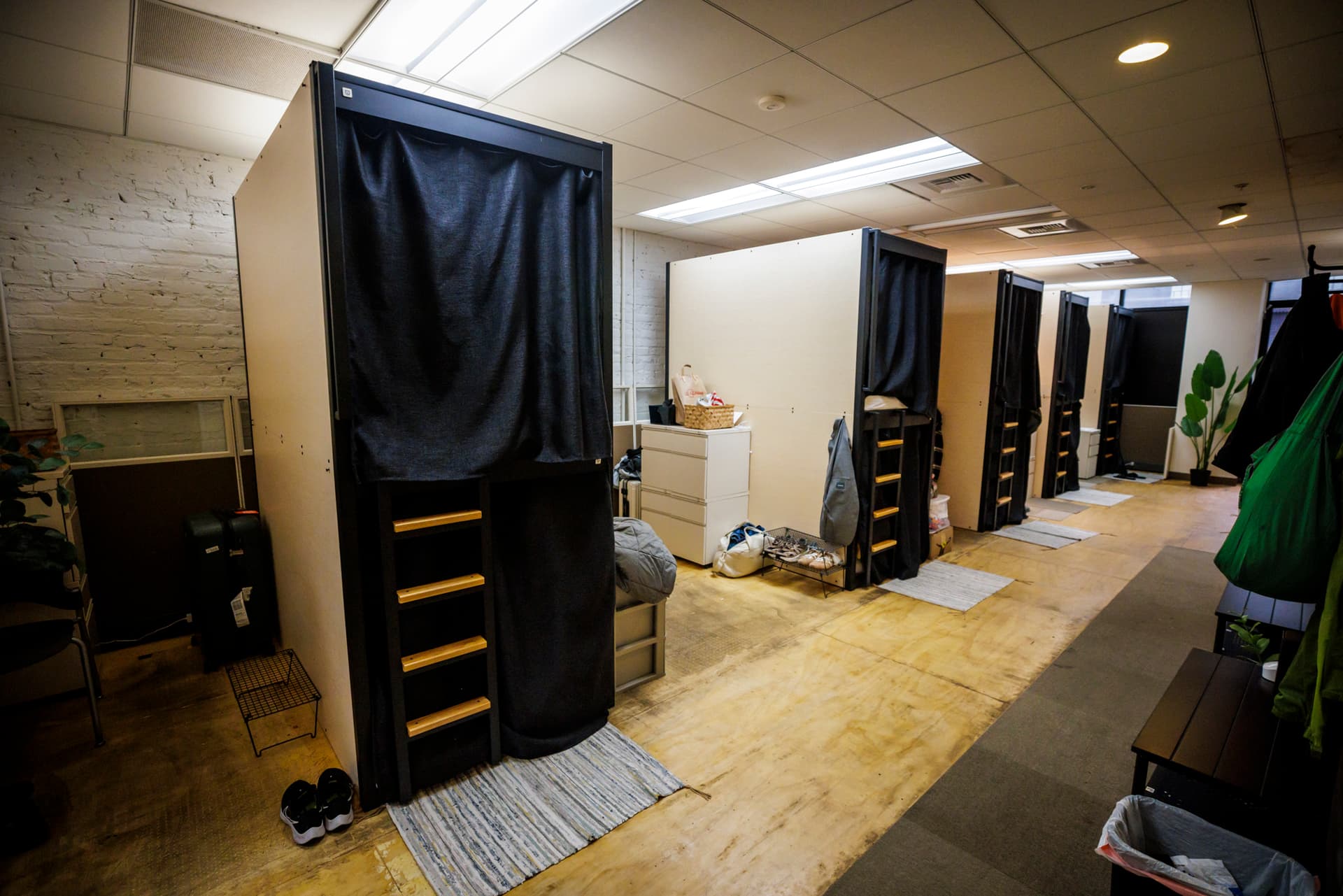
On Market Street and in downtown San Francisco, a room that fits about 30 adults now comes with a privacy curtain, a thermostat, a light, shared bathrooms and a central common area, and it costs $700 a month. The price is low enough to pull in young professionals trying to stay near the city’s jobs and transit; the tradeoff is stark enough to raise a bigger question about dignity, safety and how much privacy San Francisco has come to treat as optional.
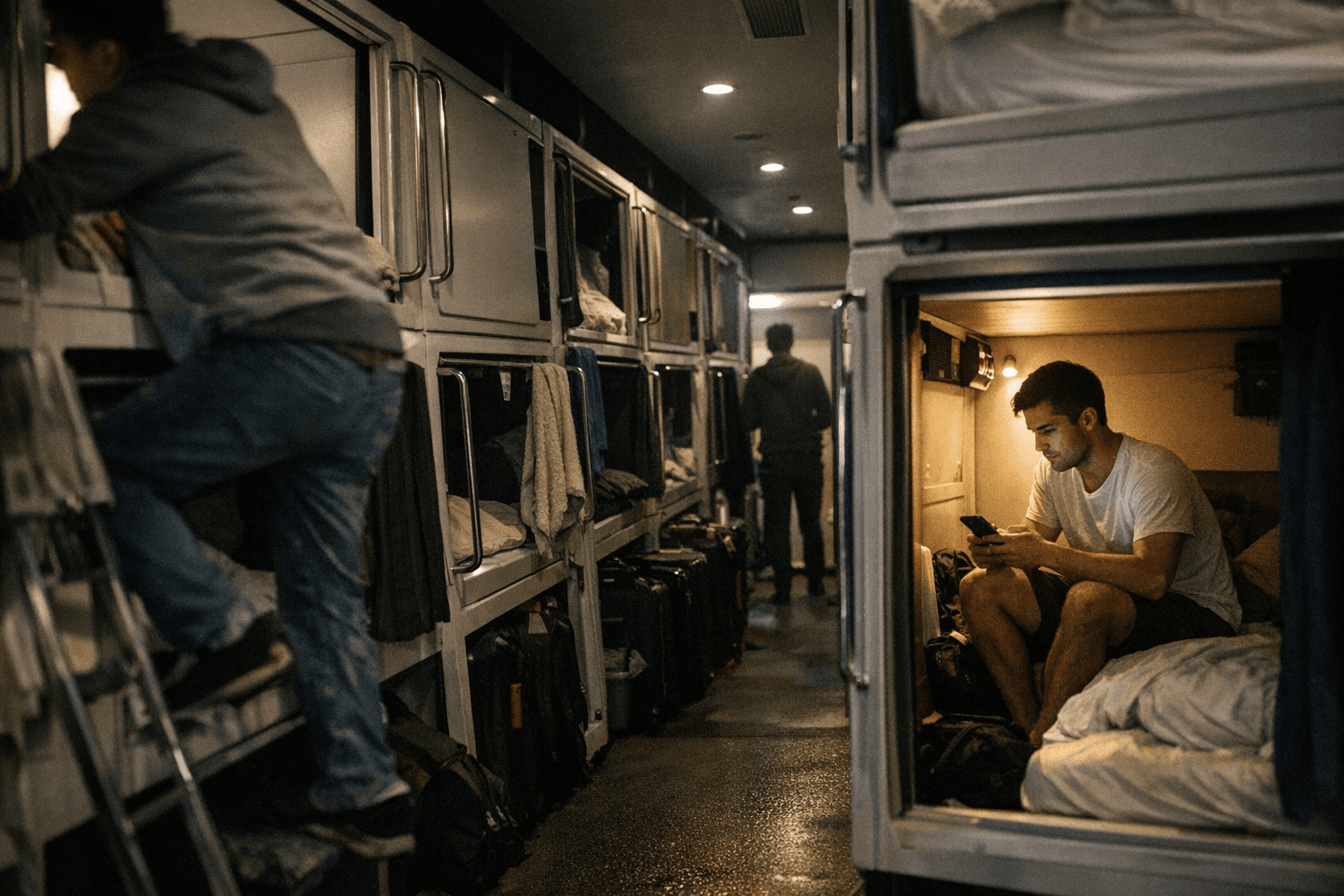
Brownstone Shared Housing is betting that plenty of people will make that trade.
What the pod setup actually offers
Brownstone’s pitch is stripped down to the essentials. Residents get a bunk bed in a shared room, with no deposit, no one-year lease, no background check and no proof of income required. That low-friction setup lowers the barrier to entry for people who need a place quickly, especially in a city where the traditional rental market often demands a heavy upfront payment and a long-term commitment.
The company’s model is built around flexibility, not permanence. Brownstone CEO James Stallworth has described the pods as a practical utility that fills gaps in life, not necessarily a forever home, and that framing helps explain why the product lands somewhere between housing and lodging. For a renter trying to keep enough money for groceries, transit and savings, the ability to move in without a deposit or lease can be as important as the bed itself.
Why renters are looking at this now
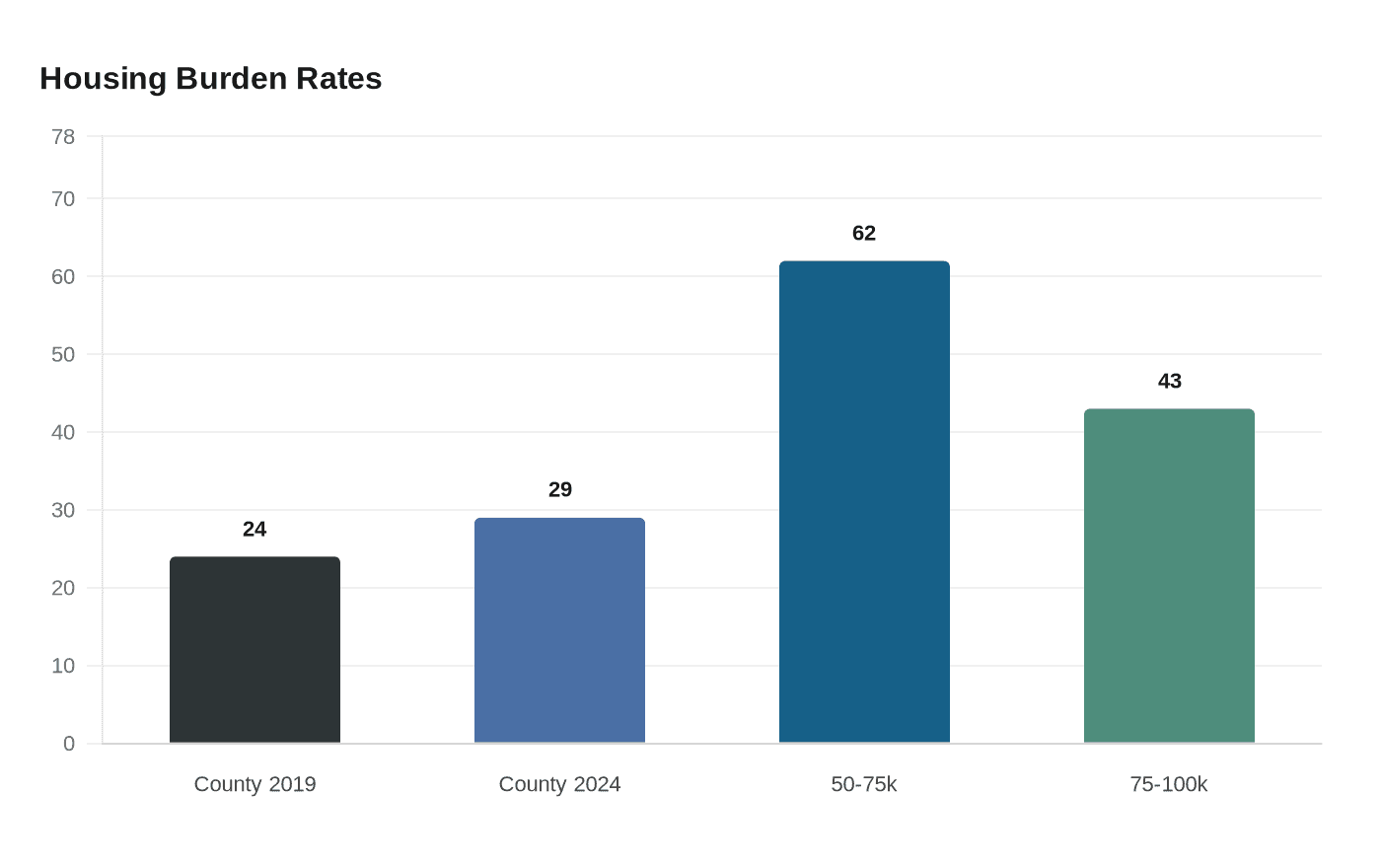
The renewed interest in pod housing has everything to do with affordability pressure in San Francisco County. Metropolitan Transportation Commission data shows 29% of county households were cost-burdened in 2024, up from 24% in 2019, and the strain is especially visible in the middle of the income ladder. In San Francisco, 62% of households earning $50,000 to $75,000 a year spent more than 35% of income on housing in 2024, while 43% of households earning $75,000 to $100,000 did the same.
Those numbers help explain why $700 for a bed in a shared room can sound like relief rather than deprivation. San Francisco’s own rent-burden guidance considers a burden above 50% severe, and in a city where even many moderate-income households are paying far above 35% of income for housing, a small private corner in a dense building can start to look like a rational compromise. That is the line Brownstone is crossing in plain sight: it is selling a place that is undeniably minimal, but still cheaper than the alternatives many renters see.
Downtown is the stage, and the market is the plot
Brownstone’s downtown push matters because the area is still trying to find its footing after years of economic whiplash. In June 2025, the San Francisco Office of Economic Analysis said downtown was showing signs of recovery even as the city continued to face tech-industry contraction and a broader slowdown. That mix creates a narrow opening for housing models that rely on workers, temporary residents and people willing to live close to the urban core without paying for a full apartment.
Brownstone’s ambitions are not small. The company wants thousands of spots in San Francisco and potentially hundreds of thousands nationwide, a scale that suggests it sees shared sleeping pods as a real business line rather than a novelty. SFGATE reported that Brownstone secured 1049 Market St. for a future 400-bed pod project and had made its first deposit on the building, turning the idea of dense pod housing from a concept into a concrete downtown plan.
This is not San Francisco’s first experiment with ultra-cheap lodging
Pod housing has existed in the city for more than a decade. KQED noted that PodShare, founded in 2012, operated properties in San Francisco, Los Angeles and San Diego, and that other similar companies, including Haas Living, have come and gone. Brownstone is the latest version of a familiar urban idea: pack more people into less space, keep the rent lower, and hope that the market sees convenience rather than sacrifice.
That history matters because San Francisco has long relied on forms of housing that are far from conventional apartments. City planning materials say residential single-room occupancy hotels are now one of the few remaining affordable options for low-income households and seniors, and a planning white paper says the city has about 19,000 SRO units. The same white paper says SROs historically housed low-wage workers, transient laborers and recent immigrants, which makes pod housing feel less like a brand-new invention and more like an updated version of an old survival strategy.
Why the comparison to SROs is both useful and unsettling
The SRO comparison helps explain why the debate is so charged. On one hand, these buildings offer a low-cost foothold in a high-cost city, and San Francisco has preserved them for a reason. On the other hand, pod housing revives fears that the city is normalizing dormitory-style living as a substitute for building enough traditional apartments people can actually age into, raise families in or live in with genuine privacy.
That tension is at the heart of Brownstone’s model. A sleeping pod with shared bathrooms and a common area can function like a modernized SRO for one segment of the market, but the same setup can also look like a warning sign that the housing crisis has pushed expectations downward. The argument is not simply about square footage; it is about whether San Francisco is protecting livable standards or redefining them to match scarcity.
Policy pressure is rising alongside the market experiment
The broader housing backdrop shows how little slack the city has. Voters approved a $300 million affordable-housing general obligation bond on March 5, 2024, a sign that San Francisco continues to treat housing supply and preservation as a high-stakes public priority. At the same time, the San Francisco Rent Board recorded 3,861 total filings in fiscal year 2024-25, up 23% from the prior year, a reminder that tenant conflict and housing stress are still running hot.
That policy environment is what makes pod housing more than a private market curiosity. A city trying to preserve affordability, maintain tenant protections and expand housing options has to decide whether ultra-dense shared living is a bridge to better housing or a business model that takes advantage of desperation. If Brownstone succeeds, it could encourage more operators to copy the model; if it draws scrutiny, it may force a broader conversation about where the line sits between innovation and substandard living.
What Brownstone’s rise reveals about the city
Brownstone is not just selling a bed in downtown San Francisco. It is testing whether the city’s next affordability fix will look like a modern SRO, a short-term answer for workers chasing the AI boom, or a symptom of a market so warped that a curtain and a bunk bed now pass as a meaningful housing bargain. In a city where nearly a third of households are cost-burdened and even many middle-income earners are squeezed, the fact that $700 can be marketed as reasonable is the real headline.
This article was produced by Prism’s automated news system from verified source data, official records, and press releases, then run through automated quality and moderation checks before publishing. The system is built and supervised by the people who set the standards it runs under. Read our full AI policy.
Did this article answer your question?

