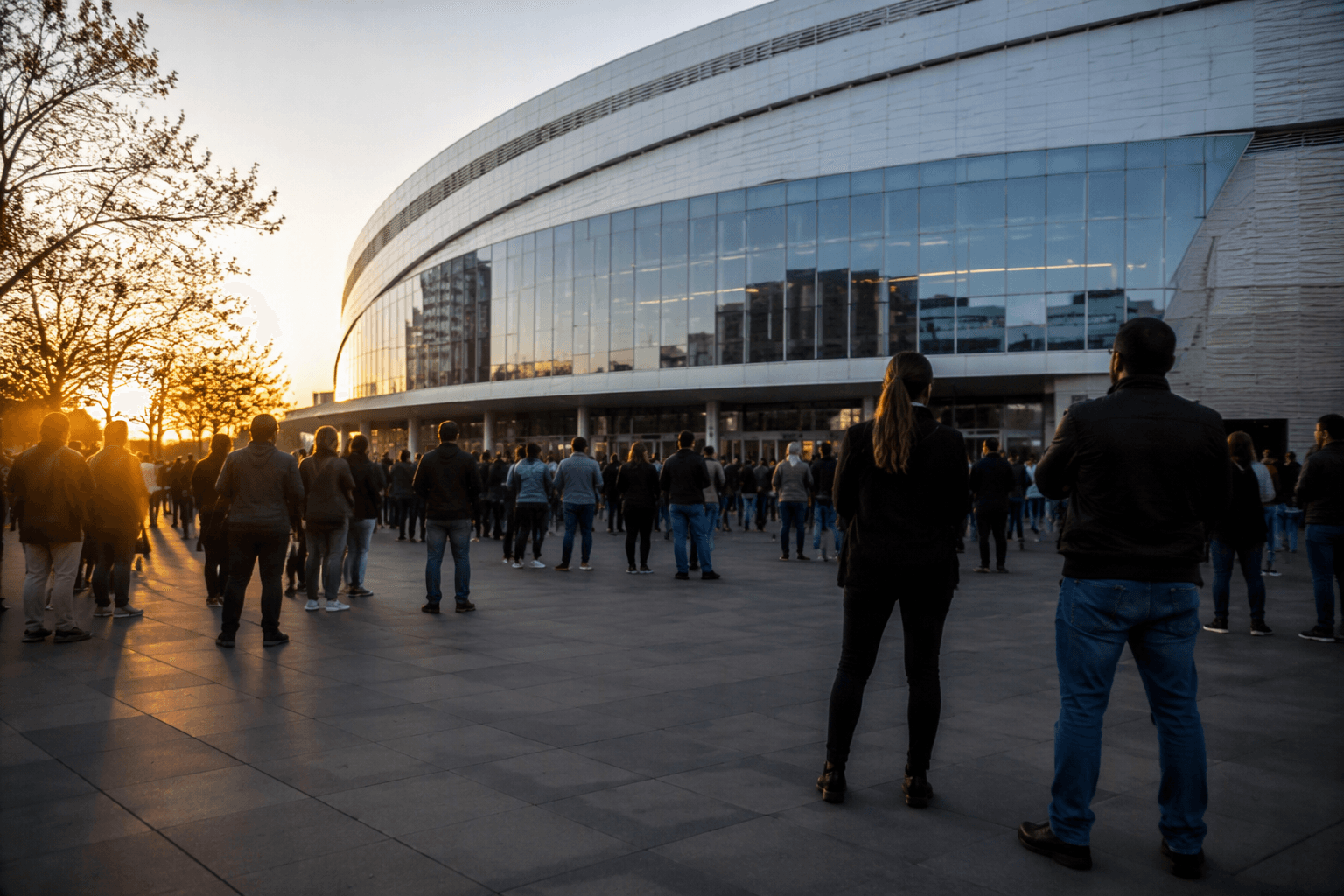
Favorable 2026 49ers Schedule Brings Local Playoff Hope and Revenue
After finishing third in the NFC West, the San Francisco 49ers drew a 2026 regular-season slate that includes several opponents who posted losing records the previous season, a factor that should help the team in its push to advance. The schedule also frames a Wild Card matchup with the Philadelphia Eagles on January 4, 2026, and carries implications for ticket demand, local businesses and roster strategy in San Francisco.
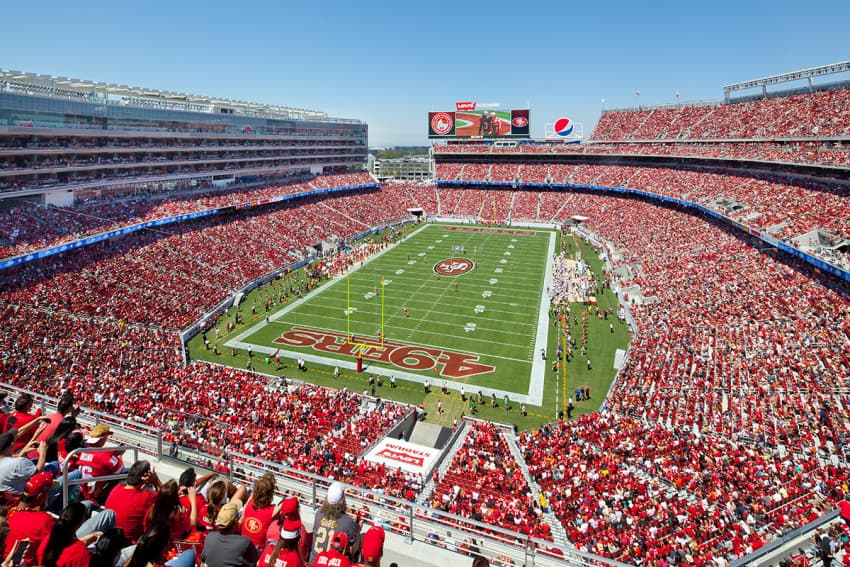
The San Francisco 49ers, coming off a third-place finish in the NFC West, will open the 2026 season with a regular-season schedule that analysts describe as favorable on paper because a number of opponents finished with losing records in 2025. The nondivisional travel list includes trips to Dallas, Kansas City and New York, while the home slate features marquee opponents such as the Eagles, Broncos, Raiders, Dolphins, Vikings and Commanders, alongside the team's full divisional slate.
That balance matters for a club seeking to convert opportunities into postseason stability. A softer regular-season opponent mix can translate into a higher win ceiling, increased home dates of interest and more breathing room to manage injuries and workload. The schedule also places the Wild Card matchup with the Eagles on January 4, 2026 squarely in focus: how the 49ers navigate the regular season will determine seeding and whether that postseason meeting takes place in Levi's Stadium or on the road.
Coaching and roster considerations remain central. San Francisco's coaching staff must weigh play-calling and rotation decisions to exploit the softer opponents while preserving depth for tougher divisional games. Quarterback play, offensive-line durability and pass-rush continuity are the primary variables that will determine whether a kinder slate translates to more wins. Roster turnover in free agency and the salary cap will shape depth at critical positions, and the front office faces the familiar tradeoff of short-term roster upgrades versus long-term financial flexibility.

The schedule also has immediate economic consequences for San Francisco. Favorable matchups and a potential home playoff game tend to lift season-ticket renewals, boost single-game ticket sales on the secondary market and increase patronage at nearby restaurants, hotels and transit services. Local businesses that cater to game-day crowds stand to gain from additional high-profile home opponents such as the Eagles and Dolphins, while midweek travel to cities like Dallas and Kansas City will test team logistics and recovery planning.
Longer term, a pattern of playoff appearances tied to favorable scheduling can influence franchise branding and municipal revenue streams. But converting schedule advantages into sustainable success will depend on disciplined roster construction, injury management and consistent coaching performance. For San Francisco fans, the immediate takeaway is pragmatic optimism: the 2026 calendar opens several winnable paths, but the team's depth and in-season adjustments will determine whether those opportunities become playoff gains.
This article was produced by Prism’s automated news system from verified source data, official records, and press releases, then run through automated quality and moderation checks before publishing. The system is built and supervised by the people who set the standards it runs under. Read our full AI policy.
Did this article answer your question?