FBI probe threatens to upend San Francisco District 2 race
A possible FBI inquiry into Stephen Sherrill’s appointment could turn the June 2 District 2 vote into a referendum on London Breed and Michael Bloomberg.
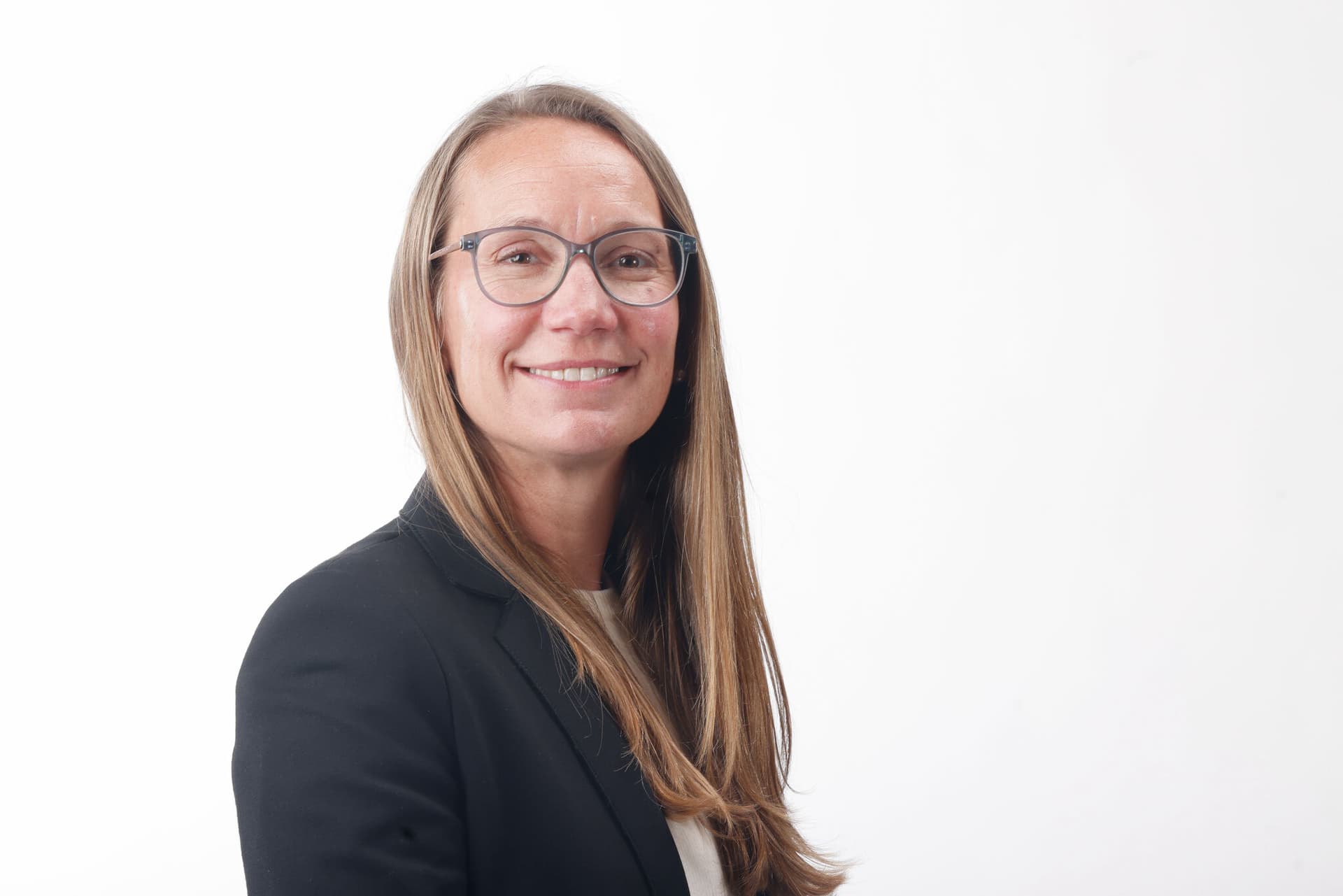
A possible FBI inquiry into Stephen Sherrill’s appointment is threatening to scramble the June 2 District 2 special election just as Marina and Pacific Heights voters are making their choices. In a district that has usually leaned more moderate than much of San Francisco, the race between Sherrill and Lori Brooke could shift quickly if questions about how Sherrill got the job start driving turnout, endorsements and ranked-choice alliances.
District 2 covers the Marina, Pacific Heights and nearby neighborhoods, and it is voting under ranked-choice rules. This is the first election for the seat since Catherine Stefani won a seat in the California State Assembly and left a vacancy that then-Mayor London Breed filled in December 2024 by appointing Sherrill. Ballots were mailed on May 4, and secure drop-off sites opened on May 5, so any new development now would land while residents are already voting.
The controversy centers on allegations that Breed appointed Sherrill with an eye toward future favor from Michael Bloomberg, Sherrill’s former boss and one of Breed’s biggest political benefactors. Bloomberg has put at least $28.9 million into San Francisco political causes, including $1.5 million to Breed’s 2024 campaign. Sherrill previously worked for Bloomberg in New York, and the allegation has now become serious enough that the FBI is purportedly looking into it. If that inquiry becomes public or deepens, Sherrill may have to spend the final stretch of the campaign answering for the circumstances of his appointment instead of pressing his case on neighborhood issues.
That could reshape the race in practical ways. Donors often wait before writing checks when a campaign is suddenly tied to a federal probe, and endorsements can become harder to hold together when candidates are asked to choose between stability and scandal. In ranked-choice voting, that matters even more because a race can turn on where a candidate’s second- and third-choice support goes if voters start looking for an alternative late in the campaign. For Brooke, the opening could be a chance to make the election less about City Hall maneuvering and more about trust in a district where voters expect a calmer, more moderate style of politics.
The fallout also reaches beyond District 2. The OpenGov permit overhaul has already become a labor flashpoint for Mayor Daniel Lurie, who campaigned on fixing city bureaucracy. OpenGov won a $5.9 million contract to help overhaul San Francisco’s permitting system, Jackie Fielder pushed for a public hearing on the deal in October 2025, and Lurie agreed in November to weekly public reports. By May 2026, the Civil Service Commission had paused an expansion of the contract amid objections from city workers and IFPTE Local 21, even as Lurie issued 127 layoff notices in April. If the District 2 controversy widens at the same time, San Francisco’s moderate voters could end up weighing not just one supervisor seat, but the credibility of the entire reform agenda at City Hall.
Know something we missed? Have a correction or additional information?
Submit a Tip