Lurie, Melgar propose big boost to San Francisco affordable housing funds
Lurie and Melgar want to lift annual affordable housing funding to $125 million, betting cheaper project math will restart stalled apartment deals across San Francisco.

Daniel Lurie and Supervisor Myrna Melgar are betting San Francisco can do more than talk about its housing shortage. Their proposal would nearly triple annual support for the city’s Housing Trust Fund, while also trimming and updating the inclusionary rules that shape how much affordable housing private builders must provide in new projects.
The charter amendment they backed would raise the city’s annual Housing Trust Fund contribution from about $52 million to $125 million, extend the fund for another 30 years and generate at least $3.75 billion over that period. If voters approve it in November 2026, the money would keep flowing long after the current budget fights fade, giving the city a larger pool to finance affordable homes and preserve existing units citywide. The proposal already had backing from supervisors Shamann Walton, Danny Sauter, Stephen Sherrill, Matt Dorsey and Alan Wong.
At the same time, Lurie, Melgar, Dorsey, Sherrill and Sauter introduced an ordinance to revise inclusionary housing requirements and development impact fees. The change is aimed at the practical question hanging over San Francisco’s housing pipeline: whether enough projects still pencil out at today’s borrowing costs and construction prices. The city’s Inclusionary Housing Program, in place since 2002, generally applies to residential projects with 10 or more units and has produced more than 4,000 affordable homes.
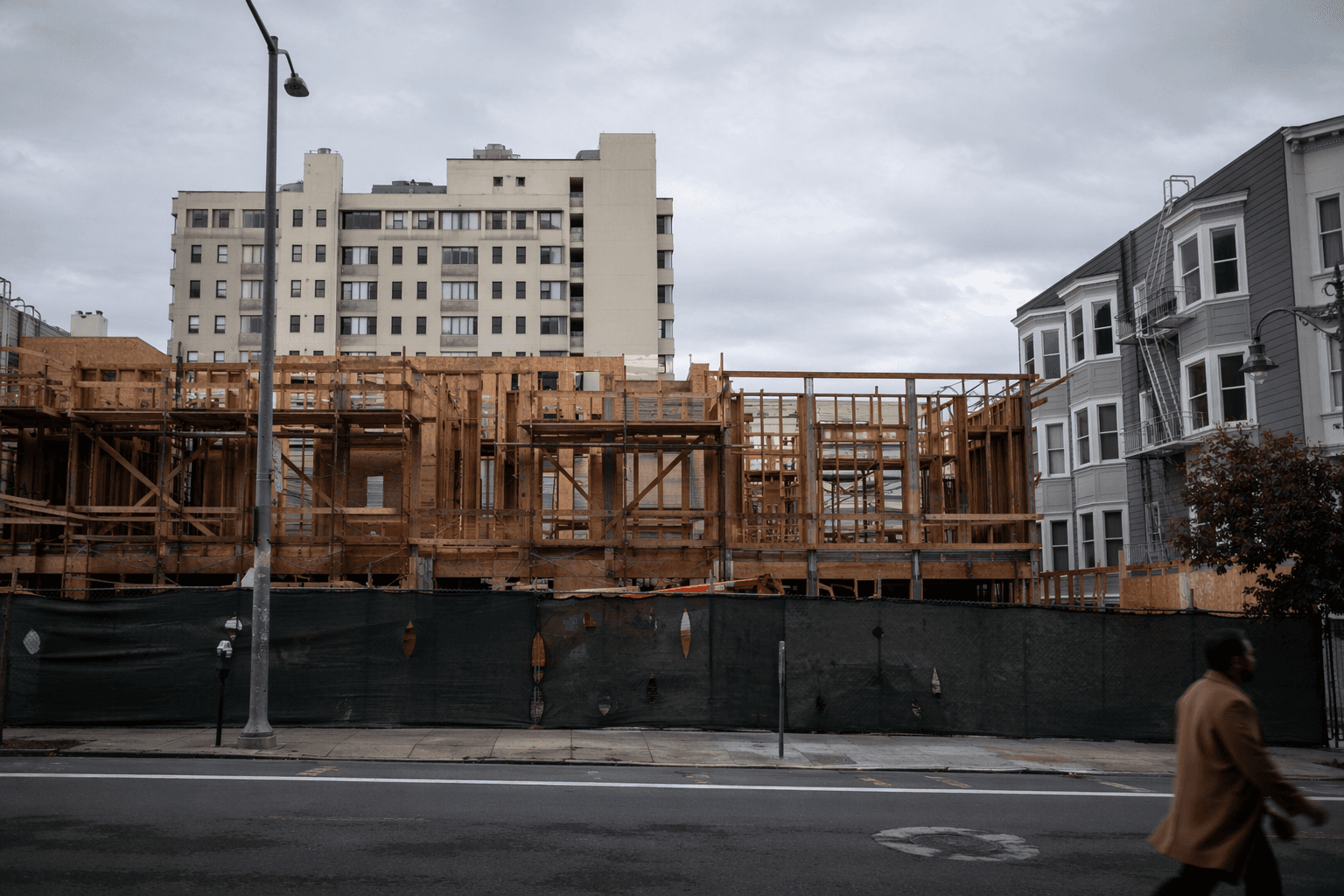
The policy push comes after a sharp deterioration in project economics. A May 5 Budget and Legislative Analyst report found that construction costs rose 53.5 percent between January 2019 and December 2025, while interest rates climbed from 2.7 percent to 4.1 percent. Even with 18 percent more units in the city’s housing pipeline in late 2025 than in late 2023, building permit retrieval and units under construction both declined, a sign that more plans are sitting on the shelf instead of moving to foundation work.
That is where the tradeoff lands. Lower inclusionary costs can help market-rate builders, especially those with mid-size and larger residential projects facing the heaviest financing pressure, but every reduction also means the city must decide how much affordability it is willing to ask from each new development. Supporters, including affordable housing providers, tenant-rights advocates and labor leaders, are arguing that restarting stalled projects may produce more total housing than the current fee structure can. The city is also trying to show progress on another front: since last fall, its effort with Melgar to move families living in large vehicles into housing has placed 138 households.
The package builds on the Family Zoning plan adopted last year and the temporary fee reduction approved on Sept. 5, 2023. Together, the moves signal a City Hall shift from demanding more from each project to trying to keep projects alive at all.
Know something we missed? Have a correction or additional information?
Submit a Tip