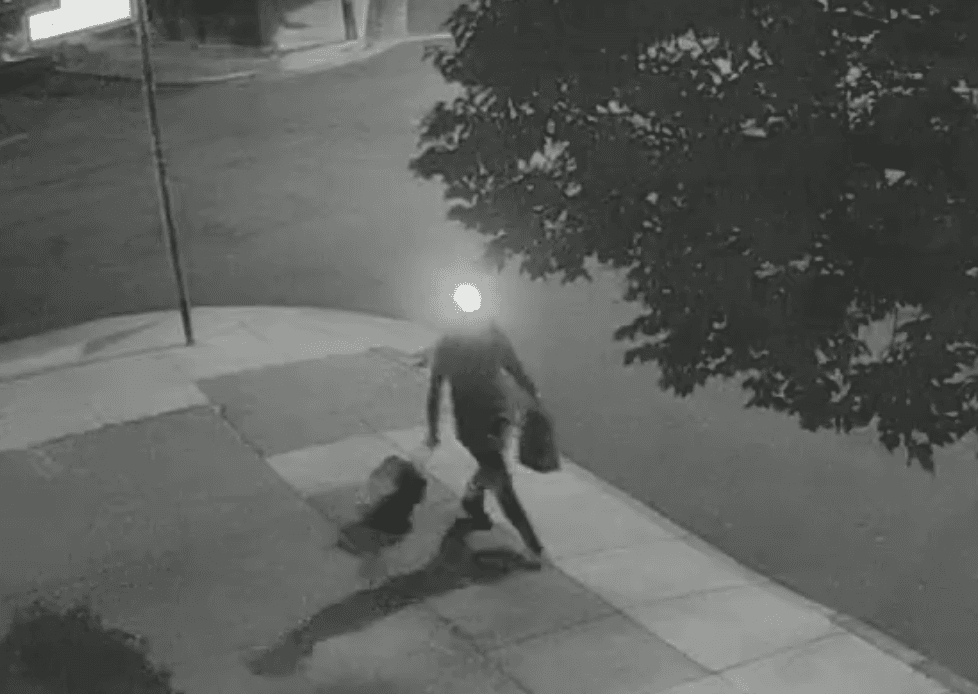
Former Biden Staffer Charged in Sunset District Shooting Death
Samantha Emge, 22, was fatally shot in the shower at a new Sunset District apartment after boyfriend Nation Wood told police he was dry-firing a gun he believed was unloaded.

The 2200 block of 22nd Avenue in San Francisco's Sunset District had just become home. Samantha Emge, 22, and Nation Wood, 25, had moved in together and, according to Wood's defense attorney, finished their very first meal in the apartment when Emge stepped into the shower. At 10:43 p.m. on March 24, San Francisco police responded to a shooting at the address. Emge was found with a gunshot wound, transported to a hospital, and pronounced dead.
Wood told police he had been dry-firing a handgun in another room. Dry-firing is a training technique in which a shooter pulls the trigger on what they believe is an unloaded weapon, used to practice trigger control and build muscle memory without expending live rounds. It is a standard practice in both civilian and professional firearms training. What Wood apparently did not know was that the gun held a chambered round. The weapon discharged, the bullet passed through the wall, and Emge was struck in the shower.
The San Francisco District Attorney's Office charged Wood with involuntary manslaughter. At arraignment before San Francisco Superior Court Judge Christopher Hu, Wood pleaded not guilty and bail was set at $300,000. His family later posted bail, and Wood appeared at an April 1 hearing via video from a psychiatric facility, where he remained under a psychiatric hold. His attorney, Paula Canny, confirmed the terms of his release: electronic monitoring, a no-weapons requirement, a warrantless search condition, and passport surrender. His next court appearance is scheduled for mid-April.
For investigators, the dry-firing account opens a specific forensic inquiry. Ballistics can establish the bullet's path through the wall and confirm the weapon's position at the moment of discharge. An examination of the firearm can help determine whether the chamber was checked before Wood pulled the trigger, a foundational step in responsible handling. What the physical evidence cannot directly resolve is intent. The distinction between tragedy and criminal negligence, which is precisely what prosecutors must establish under an involuntary manslaughter charge, often hinges on what a reasonable person with the defendant's training and background would have known to do.
That background complicated the picture from the start. Wood's LinkedIn profile listed experience as advance staff for the White House from November 2023 to July 2025, and he described himself as an independent pre-event site security advisor, roles that carry an implicit familiarity with security discipline. The allegation that a loaded handgun discharged in a newly shared residential space prompted immediate questions about how former federal security employees handle firearms after leaving government service.
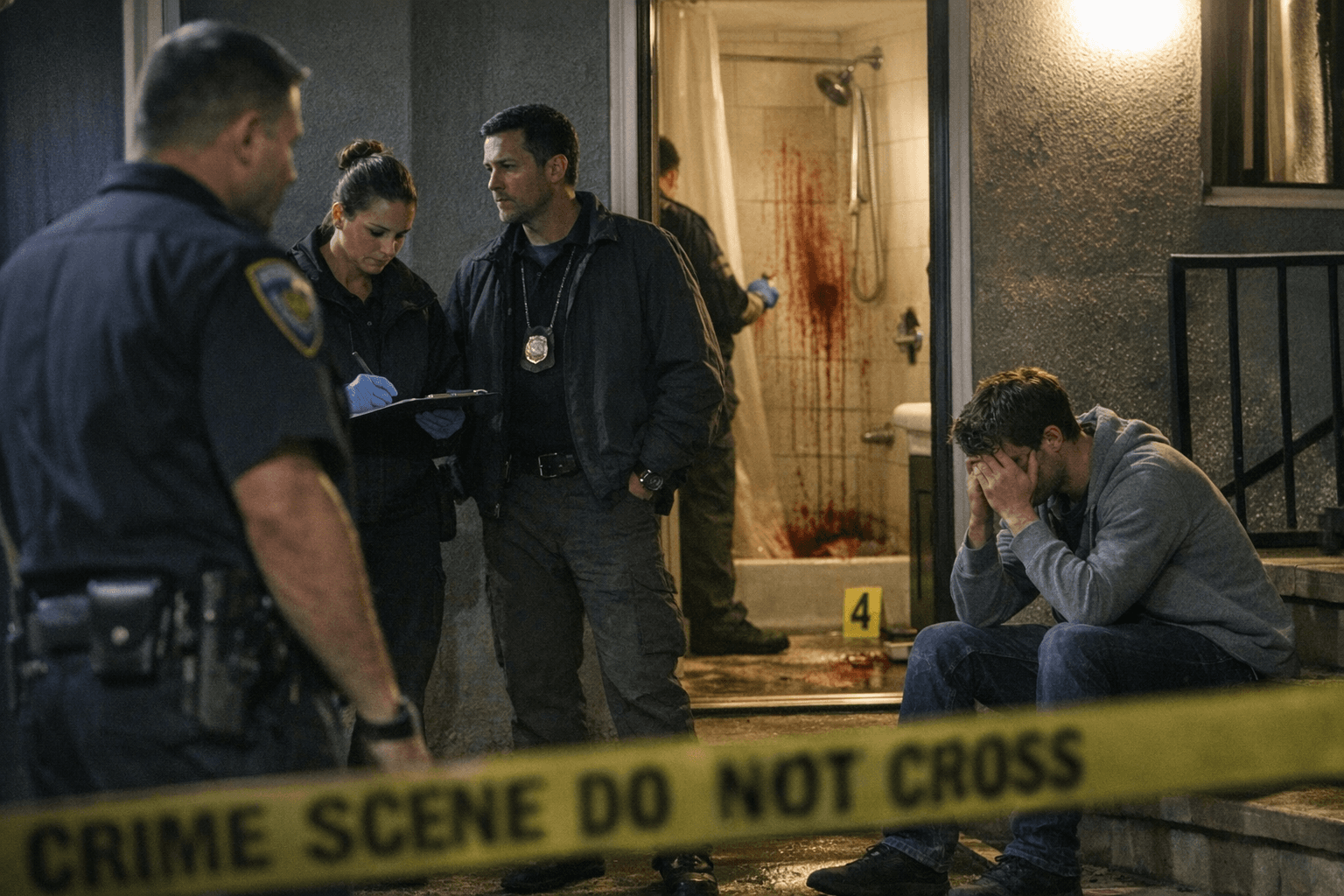
California law frames those questions in legal terms. The state requires that firearms stored in a home be kept in a locked container or secured with a trigger lock when not actively in use, among the nation's strictest safe-storage standards. If Wood's handgun was stored loaded and accessible in an apartment the couple had just moved into, that fact could anchor the prosecution's negligence theory regardless of whether the discharge was intentional. Involuntary manslaughter under California Penal Code Section 192(b) carries a maximum sentence of four years in state prison.
Emge was a 2025 graduate of San Francisco State University, where she studied interior design and architecture. She had been working as a design assistant at Chantal Lamberto Interior Design, a firm in Presidio Heights. Wood is also an SFSU alumnus. Members of Emge's family were present at the courthouse on March 27 when Wood entered his not guilty plea. She was 22, ten days into a new chapter of her life in a home she had just begun to share.
Pretrial hearings in mid-April will determine the case's path forward. Gun-safety advocates and legal observers are watching closely as San Francisco courts weigh the legal consequences of negligent firearms handling in dense residential settings.
If you or someone you know is in crisis or an unsafe situation at home, the National Domestic Violence Hotline is available 24 hours a day at 1-800-799-7233 or by texting START to 88788. The Crisis Text Line connects to a counselor by texting HOME to 741741. San Francisco residents can also reach the SFPD non-emergency line at 415-553-0123 for concerns about unsafe firearm storage or dangerous situations in the home.
This article was produced by Prism’s automated news system from verified source data, official records, and press releases, then run through automated quality and moderation checks before publishing. The system is built and supervised by the people who set the standards it runs under. Read our full AI policy.
Did this article answer your question?