Historic Waterfront Restaurant at Pier 7 Permanently Closes After 56 Years
The Waterfront Restaurant at Pier 7, a San Francisco Embarcadero fixture since 1969, closed permanently on January 3, 2026, posting signs that it was "permanently closed." The shutdown, which affects about 80 employees and follows a roughly 55% revenue decline from 2019 to 2025, underscores ongoing post-pandemic and real estate pressures facing longtime local businesses.
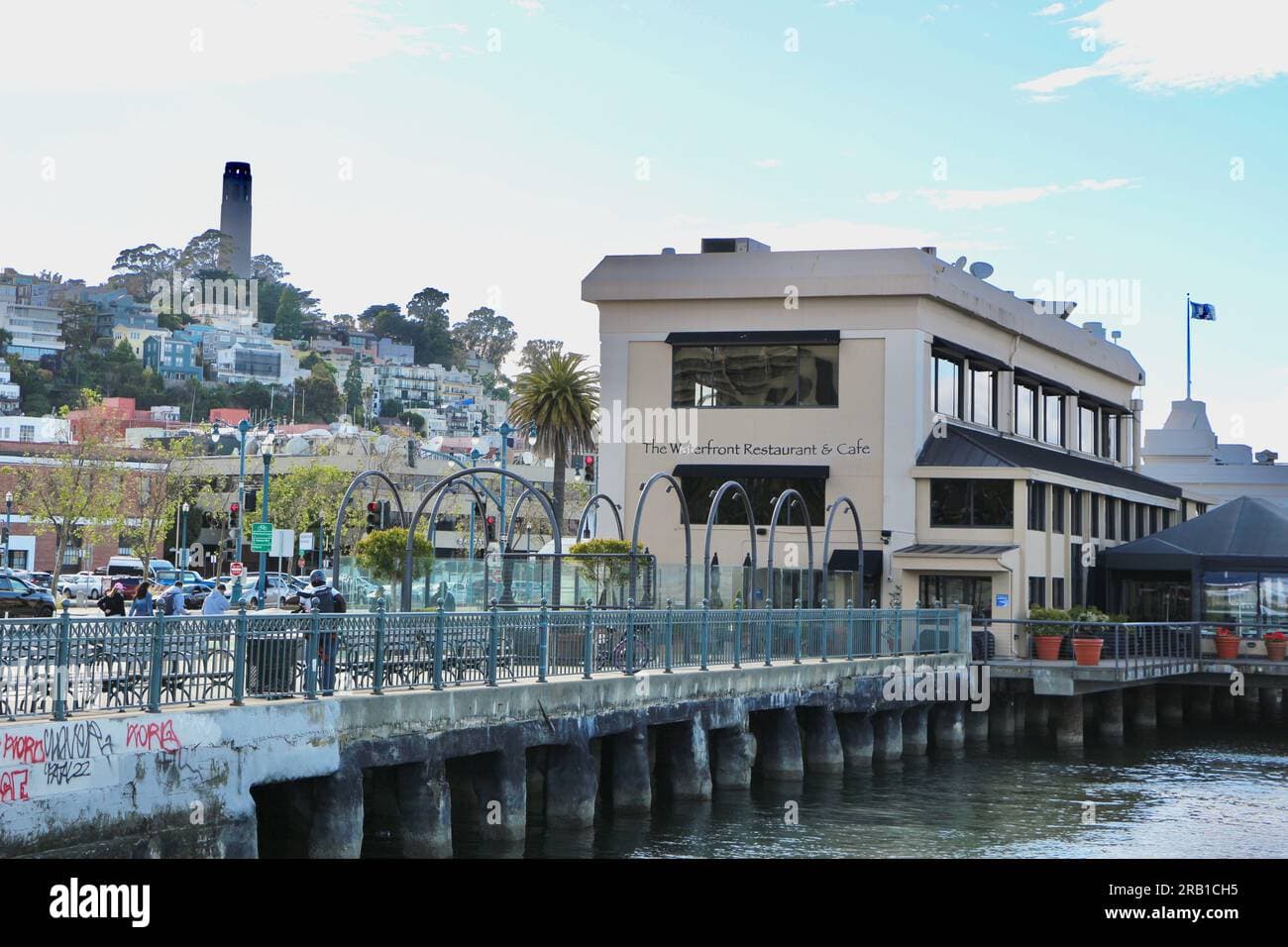
The Waterfront Restaurant at Pier 7 closed its doors on January 3, 2026, with signs declaring it "permanently closed," ending a presence on the Embarcadero that began in 1969. The restaurant, which survived a 1973 pier fire and the 1989 Loma Prieta earthquake and served presidents and entertainers over its decades of operation, said in a 2025 Legacy Business Registry application that revenue fell roughly 55% between 2019 and 2025. The closure leaves about 80 employees out of work and removes a recognizable draw from a heavily trafficked waterfront corridor.
The loss of the Waterfront adds to a pattern of longtime San Francisco small businesses struggling to recover revenue in the years after the pandemic while contending with rising operating and real estate costs. Business leaders and city observers have pointed to steep rent and lease pressures, volatile downtown foot traffic and tourism fluctuations as contributors to closures across the city. For residents, the restaurant’s disappearance will be felt not only through layoffs but through reduced dining options and less activity along the Embarcadero, which supports adjacent shops, ferry traffic and tourist-oriented services.
Local officials and community members reacted with regret and described the closure as the loss of a waterfront landmark. The restaurant’s Legacy Business Registry nomination signaled a bid for formal recognition of its historical and cultural role in the city, and its applicants cited the drop in revenue as a major factor behind the decision to cease operations.

Economically, the Waterfront’s shutdown highlights both short-term market pressures and longer-term structural challenges. A 55% revenue decline over six years represents a steep erosion of revenue base, limiting a small business’s ability to absorb rising fixed costs such as rent, utilities and payroll. The displacement of roughly 80 workers adds to labor market frictions in the local service sector and will increase demand for reemployment supports in the near term.
Policy implications are clear: sustaining legacy establishments in high-cost urban cores may require more targeted interventions, from commercial rent policies and small-business financial assistance to proactive preservation incentives. As San Francisco charts post-pandemic recovery strategies, the closure of a 56-year-old landmark on the waterfront will likely prompt renewed discussion among city officials, community advocates and property owners about how to preserve the city’s commercial heritage while adapting to contemporary market realities.
This article was produced by Prism’s automated news system from verified source data, official records, and press releases, then run through automated quality and moderation checks before publishing. The system is built and supervised by the people who set the standards it runs under. Read our full AI policy.
Did this article answer your question?

