How AI is reshaping San Francisco campaigns and voter trust
AI is already slipping into San Francisco campaigns, and the fastest defense is checking who paid, what was altered and whether the message is disclosed.
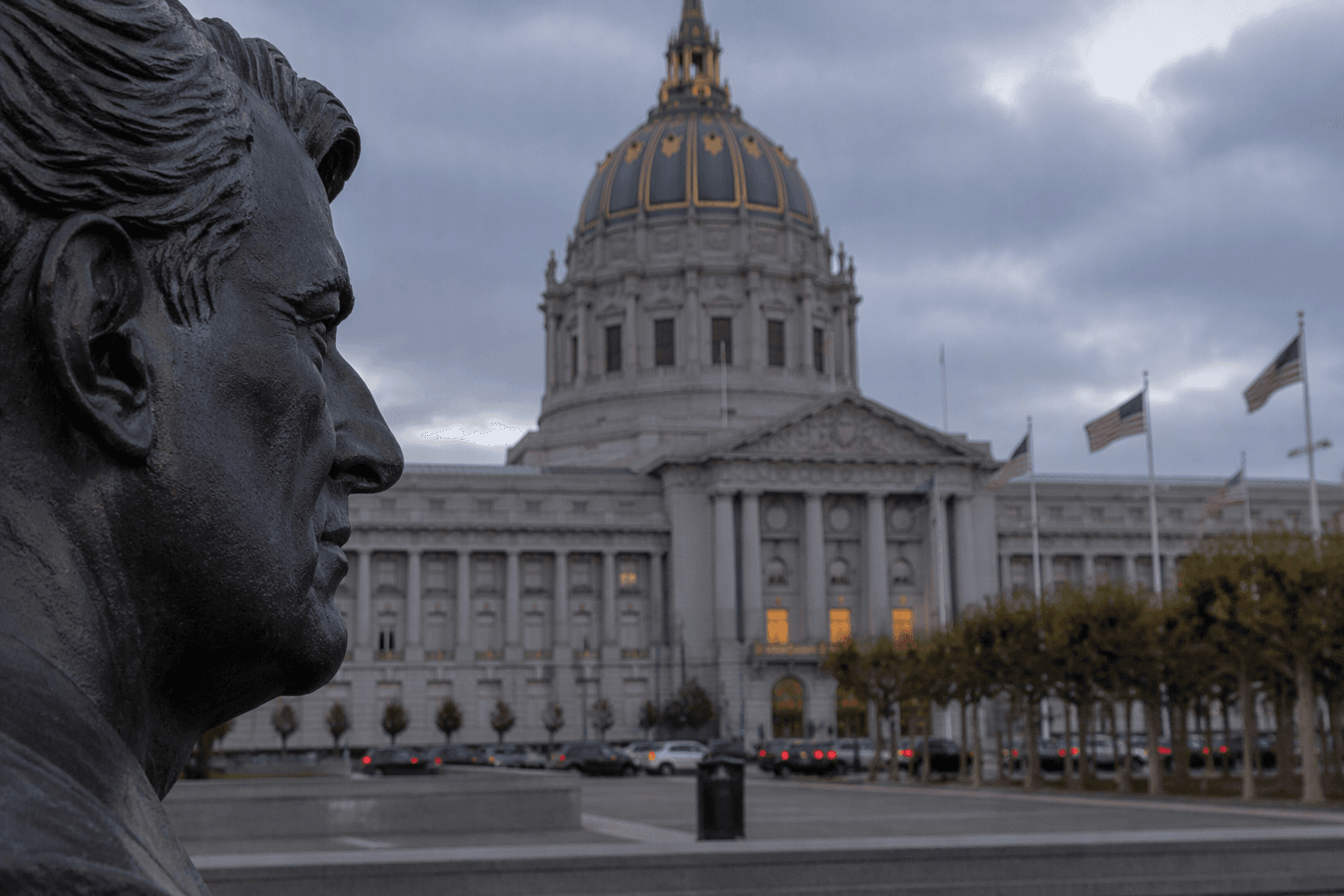
On Sept. 17, 2024, Governor Gavin Newsom signed three measures in San Francisco aimed at deceptive digitally generated or altered election content. A campaign video that feels personal, a voice that sounds almost human, and an ad that hides who made it can all mislead San Francisco voters before they cast a ballot or hit donate. In a city where City Hall, political consultants and startups sit unusually close together, AI is moving from a policy debate into the mechanics of campaigning.
AI is moving into the oldest campaign habits
San Francisco County has long been a place where digital tactics show up early, and that makes the city a test case for what politics looks like when software can imitate persuasion at scale. AI can make a message feel local, urgent and trustworthy even when the source is opaque.
Skepticism toward official narratives is already high in the city. If a voter sees what looks like a familiar neighborhood appeal, a volunteer text or a candidate message, AI can blur the line between a real campaign and a synthetic one before anyone has a chance to check the disclaimer.
California has already started writing the rules
Generative AI can create realistic images, videos and voices, often called deepfakes. The National Conference of State Legislatures counts 31 states with laws regulating deepfakes in political messaging. California has already moved into that same fight.
AB 2355 was chaptered that day as Chapter 260, Statutes of 2024, in CalMatters’ Digital Democracy tracker. The package of three measures was built to remove deceptive content from large online platforms, increase accountability and better inform voters.
San Francisco already has disclosure rules, but they were built for a different era
The San Francisco Ethics Commission has campaign-advertisement disclaimer guidance for city candidate committees and for independent expenditure ads on ballot measures. The city already has a disclosure framework that can apply to campaign communications, even when the content is generated or polished by AI.
But those rules were designed for conventional political advertising, not for a feed where a message can be written, voiced, targeted and visually edited by software. If a message looks custom made for your neighborhood or your political fears, the question is no longer only whether it is persuasive. It is whether the required disclaimer makes its source visible enough to stop manipulation in time.
Oversight gets harder when money is rising and watchdog capacity is thinner. In July 2026, election money was growing while city ethics watchdogs were getting cut, a combination that leaves fewer eyes on more campaign content. It is a practical problem for anyone trying to decide whether an ad in a Facebook feed, a text from a campaign or a video clip posted online is legitimate.
The platform rules matter as much as city law
Local rules are only one part of the picture, because many San Francisco voters see campaign messages on national platforms controlled far outside City Hall. On June 6, 2024, U.S. election officials were split on AI disclosure rules for political ads, which means the country still does not have a single standard for what voters should be told when AI is involved.
Some of the biggest platforms have moved ahead anyway. Meta announced a political ads AI disclosure policy on Nov. 8, 2023. Google requires disclosure for political ads that use AI to alter imagery or sounds. Those policies matter in San Francisco because campaigns do not need a newsroom budget to reach voters anymore; they need distribution, and that distribution often runs through companies that set their own disclosure standards.
A San Francisco campaign may have to comply with city disclaimer rules, state election law and platform disclosure requirements at the same time.
How to spot manipulation before you vote or donate
The easiest way to slow down AI-driven persuasion is to check the basics before you trust the message.
- Look for the sponsor. San Francisco candidate committees and independent expenditure ads on ballot measures should fit the Ethics Commission’s disclaimer rules. If the sponsor is missing, vague or hard to find, pause.
- Check the medium. If a video, image or voice sounds too polished, too smooth or strangely personalized, ask whether AI altered the imagery or audio, especially on platforms that now require disclosure for those changes.
- Separate the message from the messenger. Partisan chatbots can sound fast, confident and friendly, but speed can hide who is actually behind the conversation.
- Verify before you give. A donation page, text thread or social post can be crafted to trigger urgency. Compare it with the campaign’s own filings and official materials before sending money.
- Treat perfect targeting as a warning sign. When a message seems tailored just for your block, your language or your fear, that precision may be the point. AI is useful to campaigns because it can scale personalization cheaply.
This article was produced by Prism’s automated news system from verified source data, official records, and press releases, then run through automated quality and moderation checks before publishing. The system is built and supervised by the people who set the standards it runs under. Read our full AI policy.
Did this article answer your question?