Wiener, Chan outline top priorities in San Francisco congressional race
San Francisco’s open congressional race is down to Connie Chan and Scott Wiener, and the winner will decide which federal levers can move housing, transit and aid money here.

Connie Chan and Scott Wiener advanced after the June 2 top-two primary, setting up a November runoff for California’s 11th Congressional District and the seat Nancy Pelosi held for decades. San Francisco is choosing a new member of Congress for the first time in 40 years, and the question that matters most is not who sounds strongest on the stump but who can turn federal power into something residents actually feel.
What changed in California's 11th
By June 3, 2026, Wiener and Chan had emerged as the top two finishers in the open primary to represent San Francisco as Pelosi retires.
The open-seat dynamic made this race more than a standard partisan contest. In October 2025, Saikat Chakrabarti launched an upset bid at a packed Mission District event, a reminder that the race began with a broader Democratic scrum before settling into a Chan-Wiener head-to-head. By the time the contest turned on each candidate’s top priority, it had become a referendum on which kind of San Francisco politics would travel best to Washington.
What Chan and Wiener are saying they would put first
In a video clip from her final push for the District 11 seat, Chan said her priorities on day one would be to reverse health care cuts and invest in childcare.
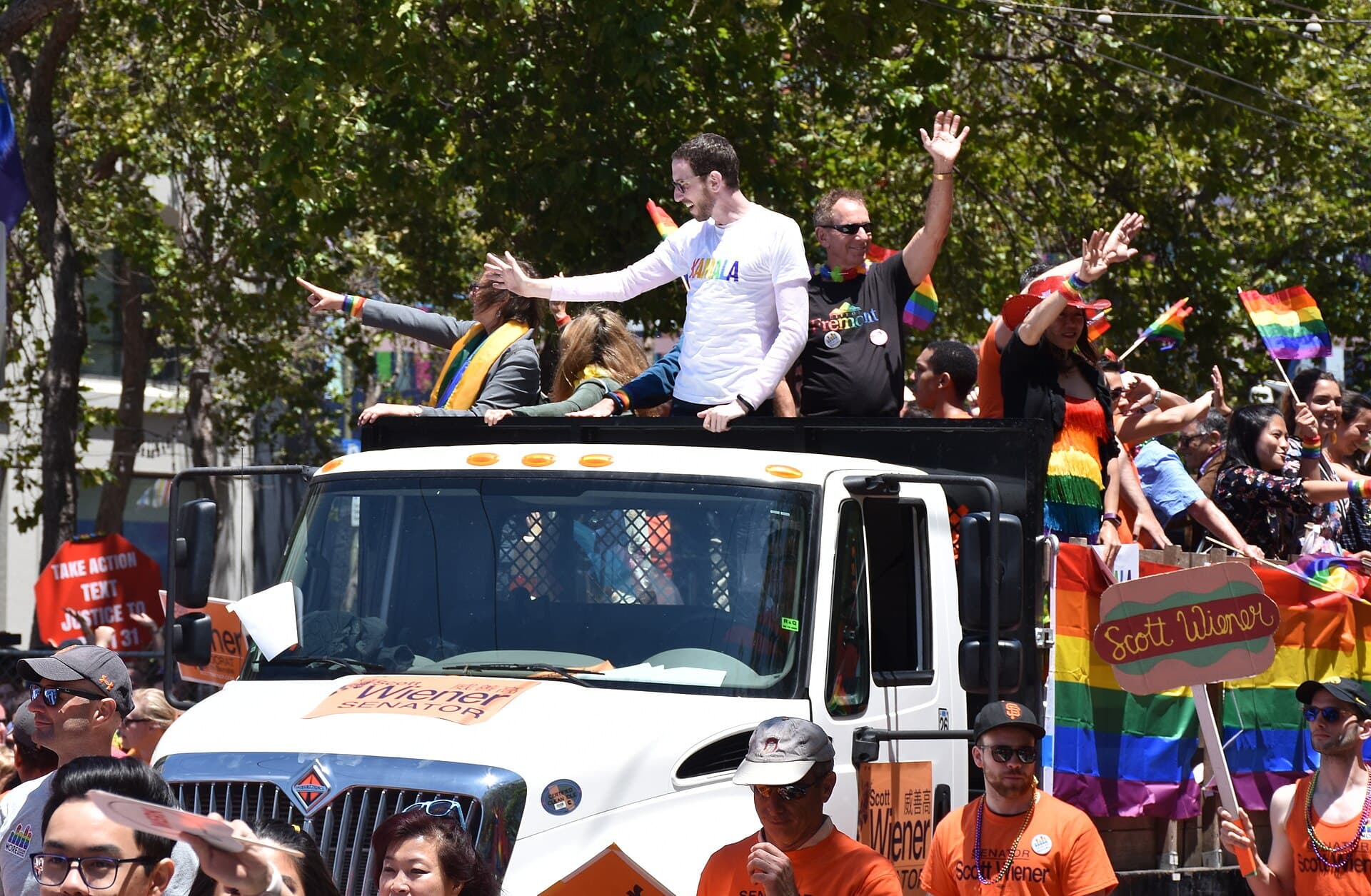
Wiener has focused on housing affordability, transit, LGBTQ rights and a more equitable San Francisco. He has also tied his campaign to democracy, health care, clean energy and protections for LGBTQ residents.
Where a House member can move the needle for San Franciscans
A San Francisco member of Congress does not set local zoning, run Muni or direct the City and County of San Francisco budget. The power comes through federal legislation, appropriations and oversight, which can shift real money into or out of the city’s housing pipeline, transit system, health programs and immigrant services.
On housing, the federal lever is real but indirect. A representative can vote on HUD funding, affordable housing programs and infrastructure bills that affect how much money flows into rental assistance, public housing repairs and construction support. If a candidate says housing is the top priority, the useful follow-up is whether that means pushing for more federal housing dollars, defending existing subsidies, or backing legislation that helps San Francisco add units faster.
Transit is similar. Federal transportation money can support Muni upgrades, regional rail investments and transit capital projects that keep buses and rail service running. For a city where riders depend on Muni and where regional connections matter to workers, students and tourists alike, a congressional vote on transportation funding can have visible local consequences.
Chan’s emphasis on health care and childcare has a different path to impact. Congress can influence health costs through federal health funding, coverage rules and support for clinics and hospitals that serve San Franciscans, including UCSF-affiliated care and safety-net providers. Childcare is similarly federal in part, through spending choices and support for working families, but the effect depends on whether the member can deliver funding and defend it in budget fights.
Immigration is another place where a San Francisco representative can matter. Federal policy shapes asylum processing, legal aid funding, court backlogs and the status of families trying to stay together. In a city where immigrant communities are central to neighborhoods from the Mission to Chinatown, a member who says immigration is a top concern has to show how that concern becomes staffing, funding or statutory change.
Disaster aid may sound less immediate, but it is one of the clearest ways Congress affects San Francisco directly. Federal emergency money can matter after earthquakes, fires, smoke events or infrastructure failures that hit the Bay Area. A representative who knows how to work FEMA funding and disaster appropriations can help determine how quickly local agencies and households recover when the next emergency lands.
Why the stakes go beyond party labels
Chan’s candidacy also carries representation stakes for Chinese American voters, and her campaign gained another sign of establishment support when Pelosi’s communications director later joined it. Pelosi herself also backed Chan, underscoring how much of the former speaker’s political network remained active even as the seat changed hands in practice.
Wiener, meanwhile, entered the runoff with the profile of a state senator who has spent years building a public brand around housing and transit. The federal question remains the same for him as for Chan: can those priorities translate into tangible gains for the city, from housing funds to transit grants to disaster aid?
This article was produced by Prism’s automated news system from verified source data, official records, and press releases, then run through automated quality and moderation checks before publishing. The system is built and supervised by the people who set the standards it runs under. Read our full AI policy.
Did this article answer your question?