Jane Kim Enters Insurance Commissioner Race, Proposes State-Backed Catastrophe Option
Jane Kim announced a campaign for California insurance commissioner, proposing a state-backed catastrophe option to address wildfire-driven premium hikes and insurer withdrawals.
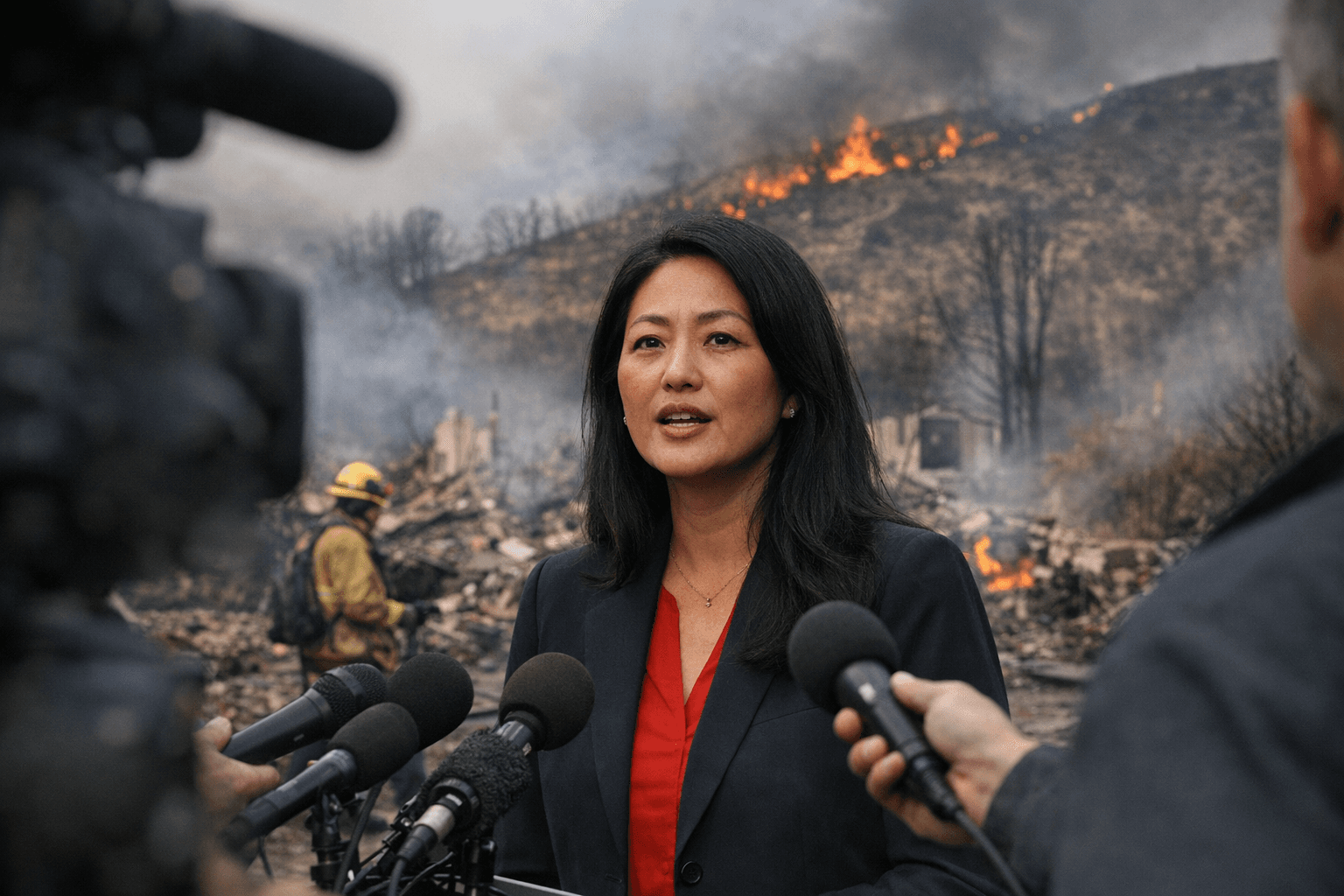
Jane Kim announced her campaign for California insurance commissioner and outlined a three-pronged agenda aimed at stabilizing a market strained by wildfire risk and insurer withdrawals. The former San Francisco supervisor and school board member, now California director for the Working Families Party, framed her bid around stronger consumer protections, structural market changes, and advancing coverage for children. She announced her campaign on Jan. 21, 2026.
Kim’s central proposal would create a state-run or state-backed insurance option to cover catastrophic or large-loss events while leaving private insurers to handle smaller, routine claims. She also proposes capping CEO pay and corporate profits in the insurance sector and expanding the commissioner’s office mandate to study and promote universal coverage for children. Kim received an early endorsement from Senator Bernie Sanders and pledged not to accept contributions from the insurance industry.
The contest opens as Commissioner Ricardo Lara is termed out, producing an open-seat race that many observers expect to be competitive. Rising premiums, policy nonrenewals and wildfire-driven risk have elevated the political stakes for the office beyond traditional rate-setting duties. For San Francisco residents, the stakes are immediate: homeowners and multifamily property owners face premium shocks and reduced market choice, while renters and small-business owners confront indirect economic impacts from higher insurance and operating costs.
Policy implications of Kim’s platform are significant. A state-backed catastrophe option could reallocate extreme losses away from private balance sheets, potentially stabilizing premiums in high-risk areas and reducing nonrenewals. Implementation would likely require new statutory authority, capital or reinsurance arrangements, and clear triggers for when the state option would step in, raising questions about fiscal exposure for the state and interactions with the private reinsurance market. Proposals to cap executive pay and profits would test the legal and regulatory boundaries of the commissioner’s authority and would probably require legislative changes and close coordination with consumer and corporate regulators.
Kim’s background in San Francisco politics and progressive networks positions her to mobilize a progressive base concerned about affordability and climate resilience. Her pledge to refuse industry contributions and the Sanders endorsement may reshape campaign finance dynamics in a race historically influenced by regulated industry spending. For Bay Area voters, the contest highlights a broader question about how California apportions risk and public resources as climate-driven disasters become more frequent.
The next phase of the race will include candidate filings, debates over specific legislative mechanisms for a state catastrophe option, and scrutiny of how the commissioner’s office could balance market stability with consumer protection. For San Francisco residents, the outcome will affect affordability, access to insurance, and how the state shoulders financial risk when the next major wildfire or catastrophic event occurs.
This article was produced by Prism’s automated news system from verified source data, official records, and press releases, then run through automated quality and moderation checks before publishing. The system is built and supervised by the people who set the standards it runs under. Read our full AI policy.
Did this article answer your question?