KQED details route, closures and seating for SF Chinese New Year Parade
KQED’s practical guide outlines the parade route, closures and seating for the March 7 Chinese New Year Parade and situates logistics amid Chinatown’s food culture and long history.
1. Route
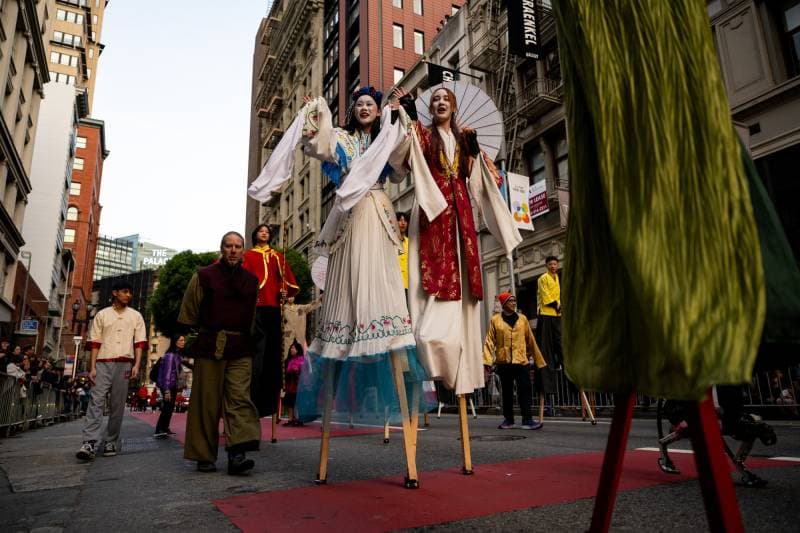
KQED’s Feb. 21 practical guide explains the parade route for San Francisco’s 2026 Chinese New Year Parade, scheduled for March 7, 2026. The guide is aimed at residents and visitors planning to attend and identifies the corridor the parade will follow, but the excerpt available to this report does not include a block‑by‑block map or the exact streets; for precise turn-by-turn routing refer to KQED’s full guide and city permitting documents. Knowing the route matters locally because the parade moves through and around Chinatown, an area with narrow streets, historic passages and shortcuts between Grant and Stockton streets that both residents and tourists use every day.
2. Street closures
KQED’s guide also summarizes planned street closures associated with the parade; the published guide is the practical source the city, drivers and transit riders should consult. The research excerpt does not list specific closure times or the exact streets affected, so attendees should expect major arteries around Chinatown and likely detours around landmarks such as China Live (on the edge of Chinatown) and the network of alleys used as pedestrian shortcuts. Given Chinatown’s density, MetropolitanShuttle reports the neighborhood houses almost 35,000 residents across 24 blocks, closures will have outsized impacts on local mobility, deliveries, and emergency access; households, community groups and local businesses should plan for changed access and confirm closure schedules with the city and KQED’s full guide.
3. Seating options
KQED notes seating options and other viewing logistics for the parade, but the excerpt provided here does not specify where seating is located, whether grandstand seating is ticketed, or accessibility features. Historically, big public parades often include a mix of free curbside viewing, municipal grandstands and private ticketed sections, however, for the exact seating map, pricing (if any), and ADA accommodations you must consult KQED’s full guide and the city’s event permit releases. If seating is ticketed in parts of the route, that will affect who can access prime viewing zones; this matters for older residents, families with small children, people with mobility challenges and workers in Chinatown who rely on predictable street access for customers and deliveries.
4. Other logistics and community context
KQED’s categories include “other logistics,” and that opens the door to public‑health, community and cultural considerations that often accompany a large parade in Chinatown. The parade falls during Lunar New Year festivities (many restaurants will tailor menus for the Year of the Fire Horse), and local food, tourism and preservation threads shape how the event lands in the neighborhood.
- Public health and crowd density: Chinatown remains a compact neighborhood with historic narrow streets and concentrated businesses; the San Francisco Planning Department reports citywide Chinese American population figures (183,812 Chinese Americans in San Francisco in 2019, more than 20% of the city’s population), and MetropolitanShuttle cites nearly 35,000 residents in the Chinatown neighborhood itself. Those densities mean mass gatherings concentrate vulnerable groups (older adults, multilingual households) and require clear messaging about first‑aid stations, lost‑and‑found, shade and restroom access. Confirmed closure maps and seating plans from KQED and city agencies are essential for emergency‑response routing and for visitors to locate accessible viewing areas.
- Local business and cultural economy: Chinatown’s long history, from the mid‑19th‑century growth after the Gold Rush through discriminatory laws like the Chinese Exclusion Act (1882), frames how this parade is more than spectacle; it’s a community economic driver. The neighborhood’s multigenerational shops, herb stores and dim sum palaces still serve daily needs, and newer restaurants on the edges of Chinatown change foot traffic patterns. KQED’s coverage sits alongside food reporting that captures this tension: KQED food editor Luke Tsai says, “I think it’s wonderful that there are these restaurants now,” and added, “It's fine also if you don’t think it is worth it. But at the same time, I’m really glad that these restaurants exist.” Those comments reflect how parade crowds can boost both long‑standing family‑run businesses and trendier tasting‑menu establishments.
- Cultural preservation and storytelling: The parade intersects with institutions that document Chinese American history. The Chinese Historical Society of America Museum, in a Julia Morgan–designed building, houses the exhibition “Chinese American: Exclusion/Inclusion,” which traces stories from the Chinese Exclusion Act through immigration at Angel Island. Angel Island itself, the historical immigration processing center now a state park, reminds us the community’s public events sit on a longer arc of migration, labor and exclusion. Including CHSA and other local cultural institutions in parade planning and signage helps visitors connect the celebration to those histories.
- Culinary scene and perception shifts: Contemporary restaurateurs use Lunar New Year as both celebration and marketing moment. George Chen of China Live, located “on the edge of the nation's oldest Chinatown” in one source, recalls childhood taunts about his school lunch: “‘Oh, God, what are you eating? That’s gross,’” and added, “And now everybody wants the braised pork and Chinese sauerkraut. Hopefully, perception of Chinese (food) has now come a long ways.” Chefs are also negotiating language around fusion: Chen says some food is “more East to West rather than West to East,” while Yuen of Yingtao insists, “What we're trying to do is just Chinese.” These debates matter because parade audiences bring tourists and diners whose spending patterns can shape which businesses thrive after the festivities.
- Check KQED’s full Feb. 21 practical guide for the parade’s route map, specific closure times and seating locations, the excerpt indicates those categories are covered but did not include the detailed lists.
- Expect redirected traffic near Grant and Stockton and around cultural anchors like China Live; tours such as “SF in a Day” traditionally finish in Chinatown around 5:30–6:00 pm and may add to pre‑parade dinner crowds.
- Consider access needs: older residents and people with mobility devices should confirm ADA viewing zones with KQED or city event staff ahead of time.
- Visit cultural sites before or after the parade: the CHSA Museum’s “Chinese American: Exclusion/Inclusion” exhibition and Angel Island State Park provide context that deepens the parade’s meaning.
5. Practical tips grounded in the available reporting
Conclusion KQED’s practical guide, published Feb. 21, 2026, sets the stage for the March 7 parade by outlining route, closures and seating categories, but readers and neighbors should consult the full guide and city permit notices for exact streets, closure windows and ticketing rules. The parade will funnel thousands past living businesses, historic passages and institutions that carry generations of memory; balancing fanfare with public‑health planning, access for residents and support for Chinatown’s multigenerational economy will determine whether this Lunar New Year celebration amplifies community resilience or compounds burdens.
Sources:
Know something we missed? Have a correction or additional information?
Submit a Tip