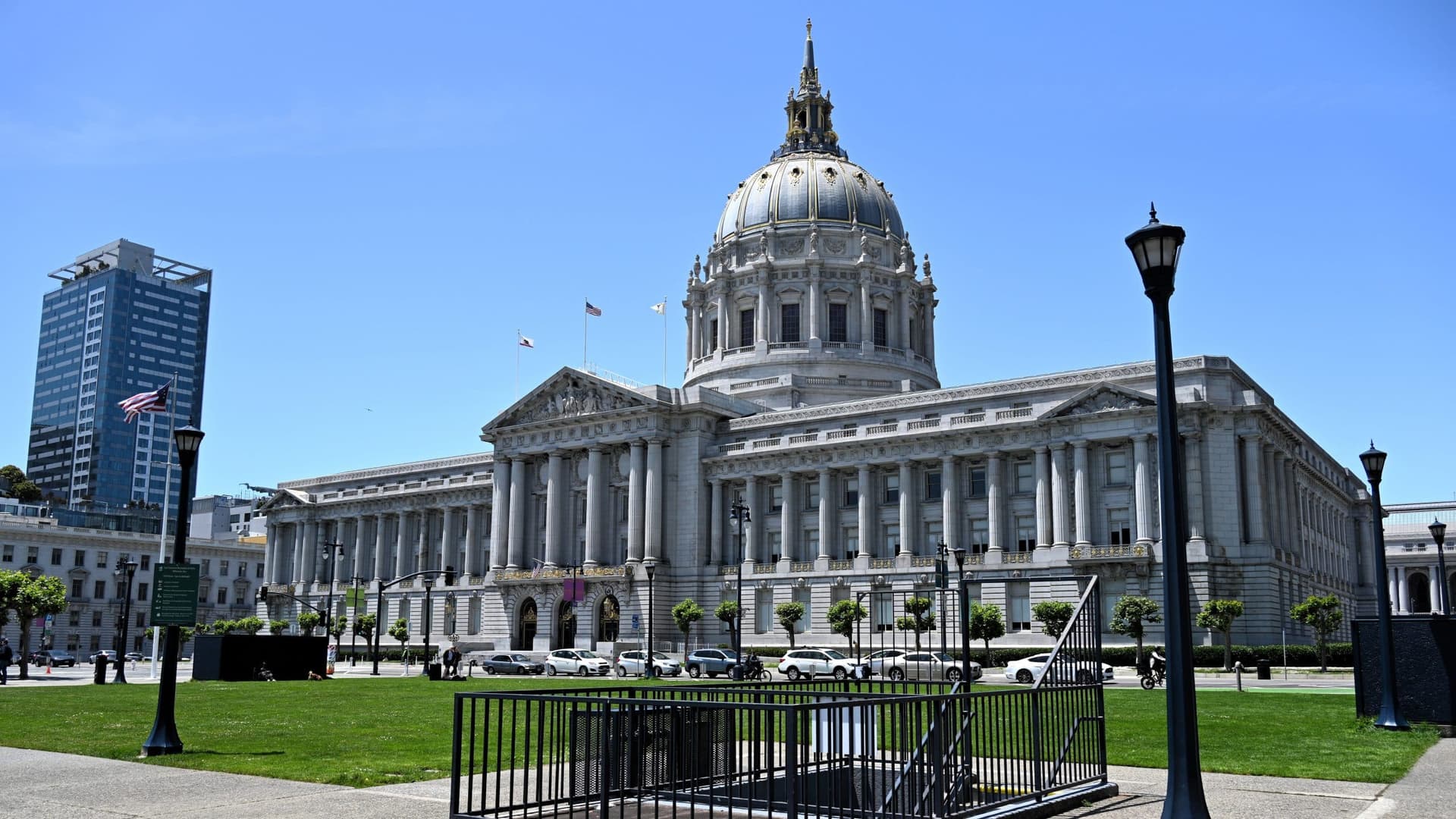
Lurie, Mandelman File Notices to Put Three Charter Reforms on November Ballot
Mayor Lurie and Board President Mandelman filed notices to gather 51,000 signatures each for three charter reforms targeting contracting, ballot access, and mayoral power.

Mayor Daniel Lurie and Board of Supervisors President Rafael Mandelman filed notices of intent on March 12 to gather signatures for three proposed charter amendments, launching what city officials are calling San Francisco's first comprehensive charter reform effort in three decades.
The three measures would overhaul the city's contracting rules, tighten the process for qualifying measures for city ballots, and expand the mayor's authority over city departments and commissions. Each must collect roughly 51,000 voter signatures to appear on the November 2026 ballot. The effort is being promoted through the mayor's ballot measure committee, dubbed Clean Up City Hall.
Two days before the formal filing, Lurie appeared before the full Board of Supervisors on March 10 during a special order session called to order at 2:04 p.m. by President Mandelman. The mayor addressed supervisors on contracting reforms, ballot measure reductions, and government accountability. Mandelman requested that four related file numbers, 260021 through 260024, be called together. After public comment, the matter was filed with no further action taken.
The reform push grew from a charter review effort Lurie and Mandelman launched in late 2025, which included a working group of civic leaders, labor representatives, and policy experts. City Administrator Carmen Chu and Controller Greg Wagner are also partnering in the effort. The city's website describes the charter as a "nearly-540-page patchwork of overlapping and often-conflicting rules" amended more than 100 times since its last major update in 1995. Mandelman, in a statement, put the figure higher: "After nearly a century of amendments and additions, our nearly-600-page charter is overdue for a comprehensive refresh."

The rationale for the initiative process measure, which would make it harder to place measures on city ballots, has drawn a pointed comparison from Lurie to a looming election fight over business taxes, with labor unions pushing to raise them and business groups pushing to cut them. Mandelman, addressing a different policy front, referenced the limits of state legislation: "I think the lesson of SB 43 at this point is that, plainly, the legal changes alone are not enough to fix this problem."
The proposals echo recommendations from SPUR, the San Francisco Bay Area Planning and Urban Research Association, which has argued that the charter has grown too complex to manage effectively. But the package has also drawn early criticism from labor leaders, who contend the changes could concentrate power in the mayor's office and limit public participation in city governance.
If the signature drives succeed and voters approve all three measures in November, the amendments would alter the city's foundational governing document, which has accumulated more than 500 pages through decades of additions since its last structural overhaul.
Know something we missed? Have a correction or additional information?
Submit a Tip