Mahmood proposes shadow team to speed San Francisco housing approvals
Bilal Mahmood wants a public shadow team to track housing approvals as San Francisco’s median permit time hits 280 days and projects stall for months.

In a city where housing proposals can spend months moving from one review desk to another, Supervisor Bilal Mahmood is pushing a public “shadow” team to watch the process and expose where projects bog down. The goal is not another promise to build faster. It is to force City Hall to name the bottlenecks slowing approvals and to make the delays visible to the public.
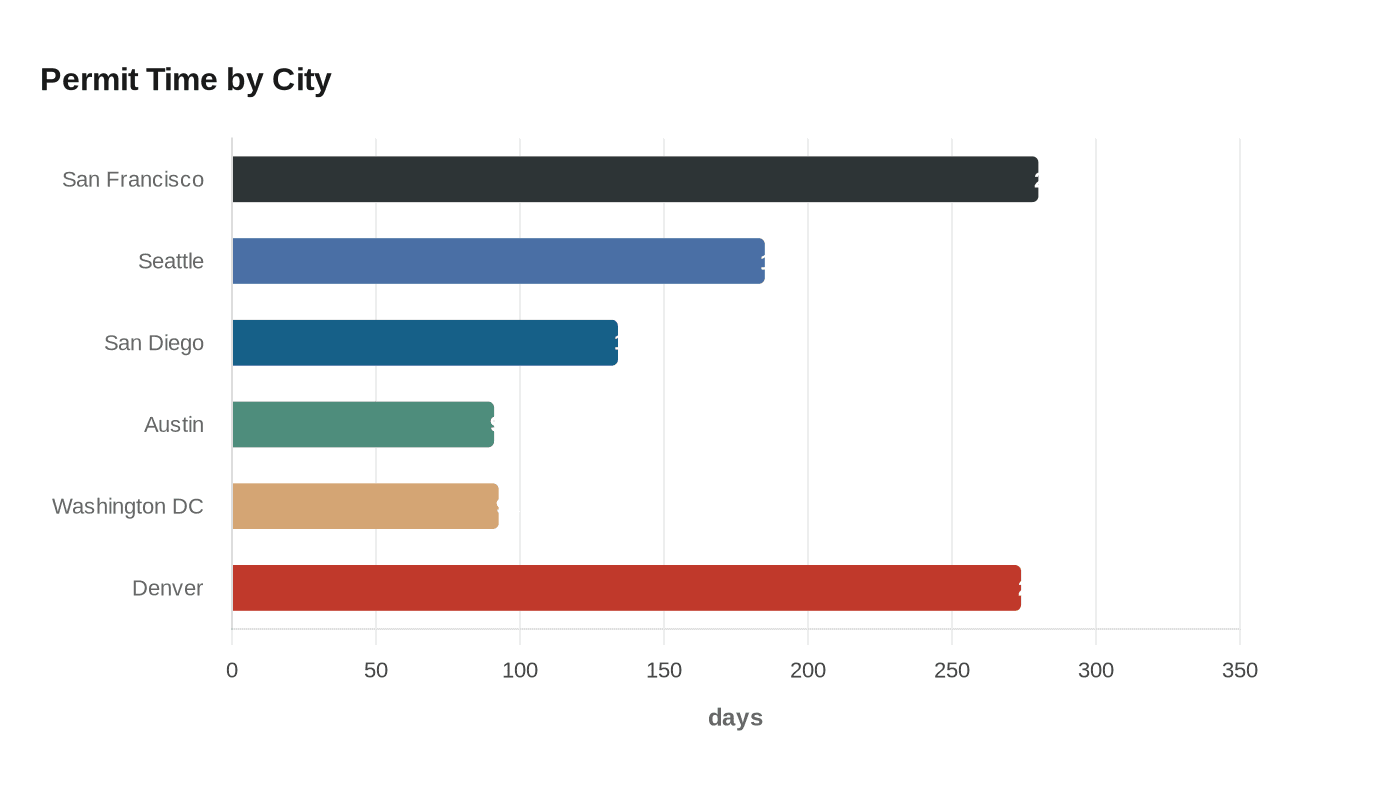
The push comes after a March 5, 2026 report from the Board of Supervisors’ Budget and Legislative Analyst’s Office found that San Francisco’s median building-permit processing time for new housing was 280 days, with a median of three rounds of review. That placed the city behind Seattle at 185 days, San Diego at 134, Austin at 91, Washington, D.C. at a 92.6-day average, and Denver at 274 days on average. SF Planning’s PermitSF portal says review benchmarks are tracked daily, and the process can involve multiple review-and-resubmission cycles.
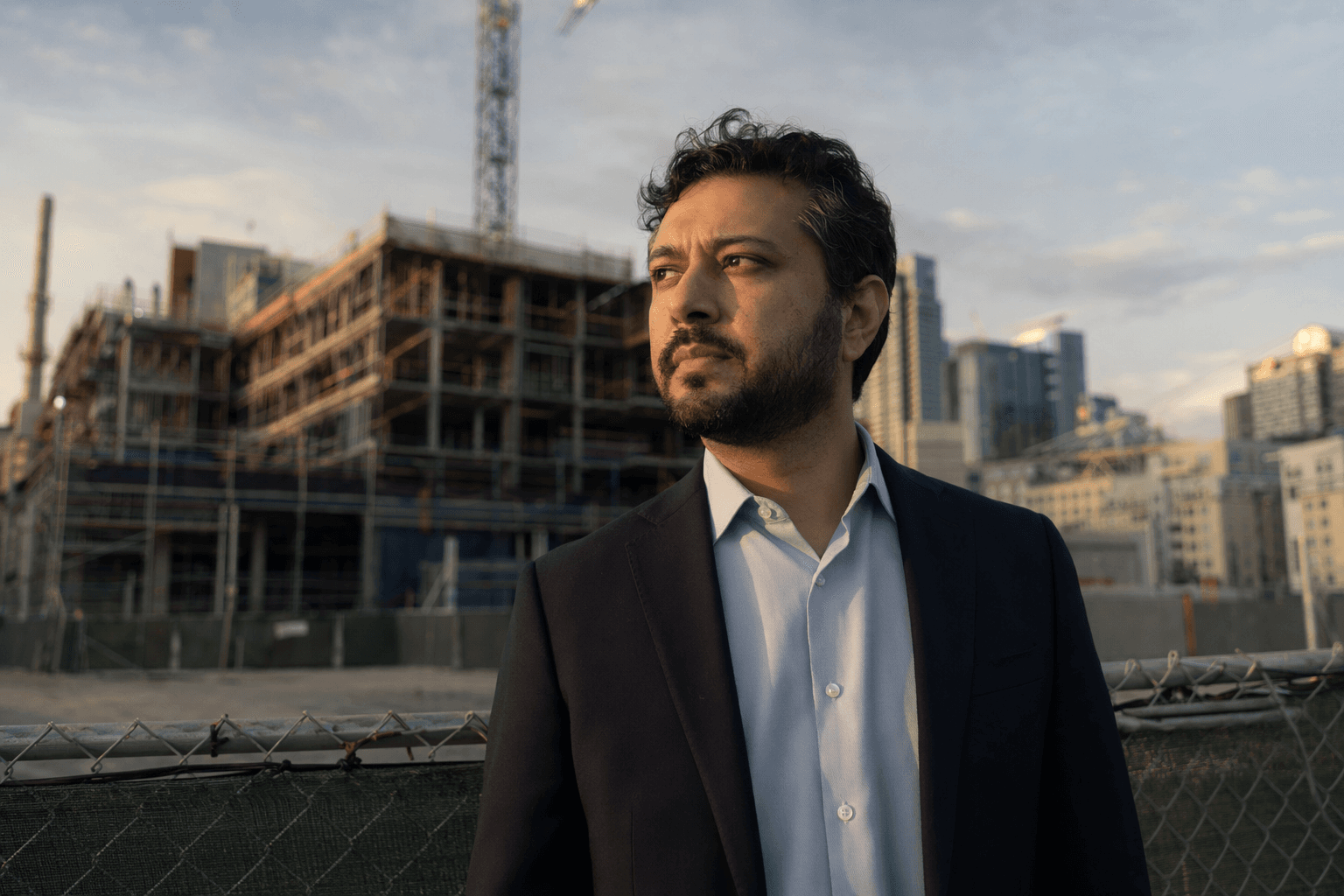
Mahmood’s proposal also targets one of San Francisco’s oldest housing flashpoints: shadows. SF Planning says shadow analysis is triggered in two main situations, including when a project over 40 feet could cast new shadow on Recreation and Park Department property, or when a CEQA review finds a project could cast shadow on a park or open space in a way that harms use or enjoyment. Planning Code Section 295, also known as Proposition K and the Sunlight Ordinance, has long been a tool for opponents of housing projects that would shade parks. The new proposal would remove shadow impacts as a basis for appeals of housing projects, which pro-development advocates say has become a costly delay tactic.
The politics around Mahmood’s housing agenda have already widened beyond this one bill. On February 25, 2026, Mayor Daniel Lurie and Mahmood introduced the BUILD Act, which Lurie said was intended to unlock stalled housing projects, support union jobs, and reform the city’s transfer tax structure. City officials and BUILD Act backers have said as many as 50,000 housing units are approved but remain stalled, while an industry estimate put more than 34,000 units in major multi-phase projects. San Francisco’s Housing Element still calls for 82,000 permitted units by 2031.
Support is emerging from the pro-development side. Witt Turner of the Housing Action Coalition backed Mahmood’s shadow bill and called San Francisco’s housing problem “death by a thousand cuts.” Mahmood, who represents District 5, including the Tenderloin, Hayes Valley, Lower Haight, Western Addition, Fillmore, Alamo Square, Japantown, NoPA and Haight-Ashbury, is the first South Asian and Muslim-American elected to the San Francisco Board of Supervisors. His latest move suggests that the fight over housing approvals will now center on a harder question than whether City Hall wants more homes: who, exactly, is slowing them down.
This article was produced by Prism’s automated news system from verified source data, official records, and press releases, then run through automated quality and moderation checks before publishing. The system is built and supervised by the people who set the standards it runs under. Read our full AI policy.
Did this article answer your question?