Speed cameras slow drivers in San Francisco, privacy worries remain
Cameras cut speeding 80% at 33 San Francisco sites, but drivers and privacy advocates still question the tradeoff.
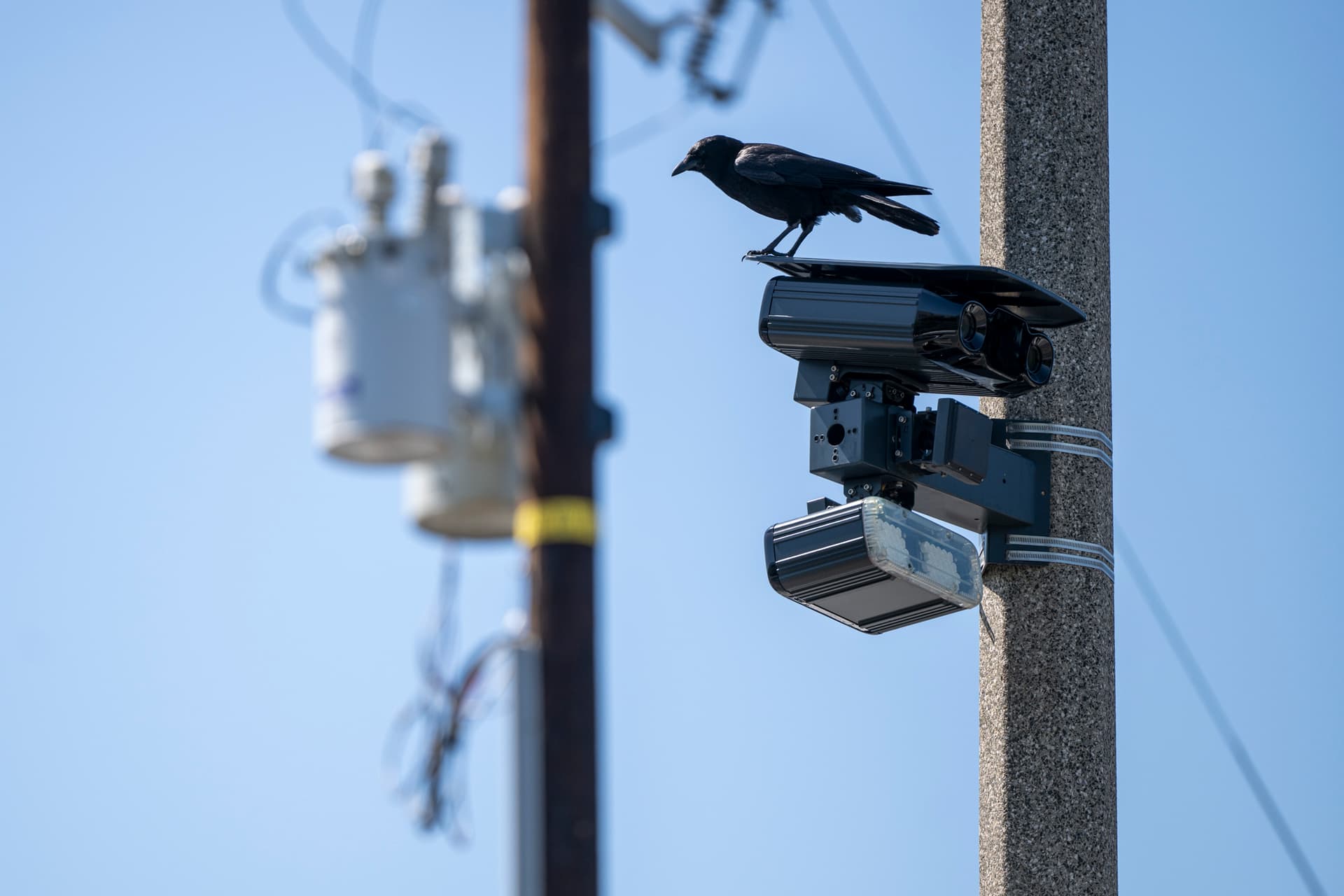
At Fulton Street and Second Avenue, near Arguello Boulevard, San Francisco’s newest traffic camera is doing more than catching speeders. It has become a test of whether automated enforcement can make a dent in the city’s deadliest driving habits without turning every car trip into a surveillance concern.
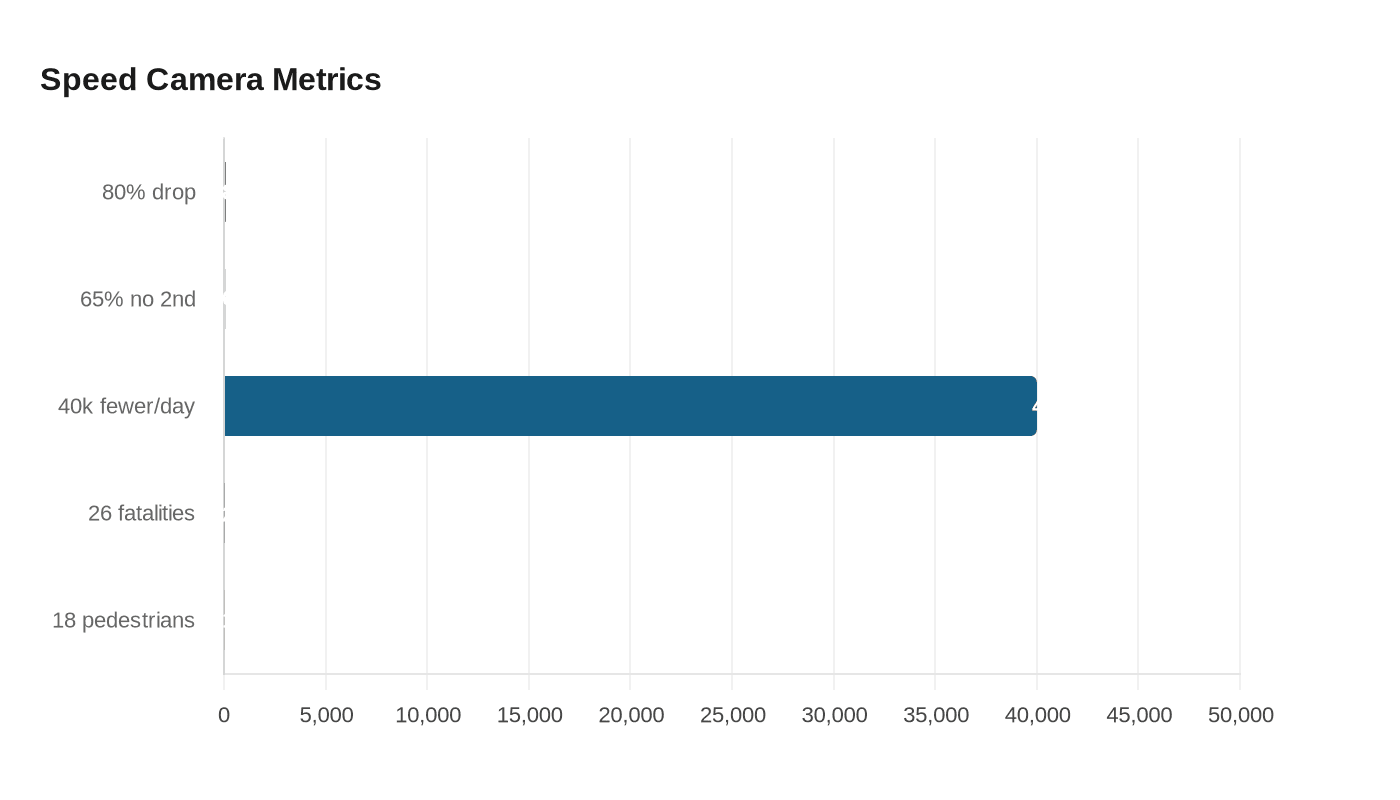
The numbers now give the program real weight. Mayor Daniel Lurie said the first year of San Francisco’s speed camera pilot produced an 80% drop in drivers traveling 10 mph or more over the limit at the 33 camera locations, equal to about 40,000 fewer dangerous speeding instances a day. The city also said 65% of cited drivers did not receive a second citation, a sign, officials argue, that the cameras are changing behavior rather than just issuing tickets.

That matters in a city where speed has long been tied to severe crashes. San Francisco’s Vision Zero materials said the city recorded 26 traffic fatalities in 2023, including 18 pedestrians. The San Francisco Municipal Transportation Agency said the camera sites were chosen through a data-driven process and were limited to the High Injury Network, school zones, or streets with a history of sideshows, putting the program squarely on corridors where residents have complained for years about dangerous driving.
The policy took shape after AB 645 was signed in October 2023 and took effect on January 1, 2024, authorizing a five-year pilot through January 1, 2032. San Francisco was capped at 33 locations. The Committee on Information Technology recommended the Speed Safety System Use Policy and Impact Report on March 21, 2024, and the SFMTA Board approved the 33 sites on April 16, 2024. The city launched the program on March 20, 2025, and began issuing citations after a 60-day warning period on August 5, 2025.
Julie Kirschbaum, the SFMTA director of transportation, said at a board meeting that the new data showed the cameras had been very effective in changing behavior in the corridors where they were installed. That public-safety case is the program’s strongest defense. So is the city’s surveillance policy, which limits the system to enforcing speed limits and analyzing speed enforcement, captures rear license plate images for speeding vehicles only, bars sharing data outside SFMTA without a court order, and allows retention for up to 120 days.
Still, the backlash has not disappeared. Some residents see the cameras as an intrusion, and drivers have questioned whether safer streets require a rolling enforcement system at all. San Francisco’s experience suggests the city has moved beyond debating speed cameras as an abstract privacy issue. It is now weighing a more concrete question: whether a tool that measurably slows drivers on some of the city’s most dangerous streets is worth the unease it creates along the way.
This article was produced by Prism’s automated news system from verified source data, official records, and press releases, then run through automated quality and moderation checks before publishing. The system is built and supervised by the people who set the standards it runs under. Read our full AI policy.
Did this article answer your question?