New mural on San Francisco LGBT Center honors sex workers, LGBTQ rights
A new Market Street mural at the SF LGBT Center puts sex worker rights and LGBTQ visibility on one of the city’s most symbolic corners.
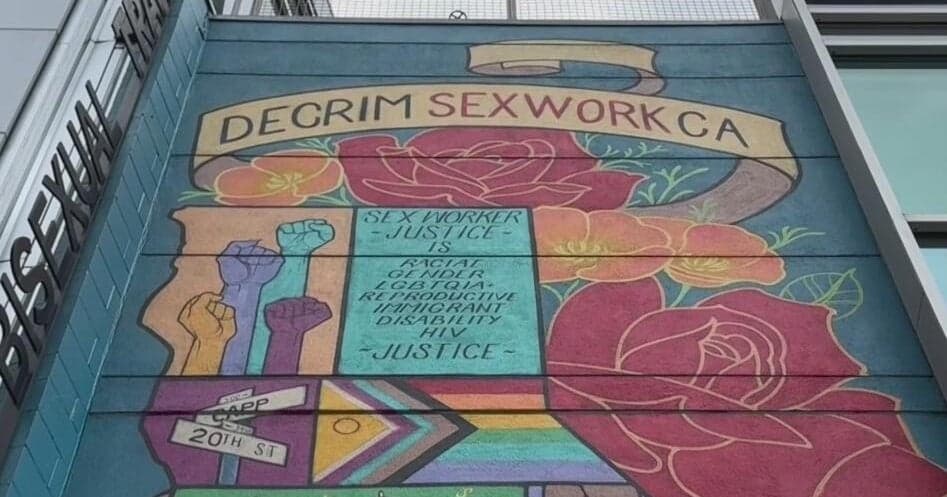
A bright new mural now covers the side of the SF LGBT Center at 1800 Market Street near Octavia, turning a busy stretch of Market into a public declaration about who belongs in San Francisco. Painted by local artist Tanya Wischerath, the work honors sex workers’ rights and LGBTQ rights at a moment when both visibility and safety remain live questions in the city’s public life.
The mural was officially unveiled on May 31 and was deliberately tied to International Whores’ Day, observed June 2. That date commemorates the June 2, 1975 occupation of Saint-Nizier Church in Lyon, France, when more than 100 sex workers demanded an end to fines, stigma and police harassment, along with the release of imprisoned sex workers. In San Francisco, that history landed on a wall that already carries civic weight.
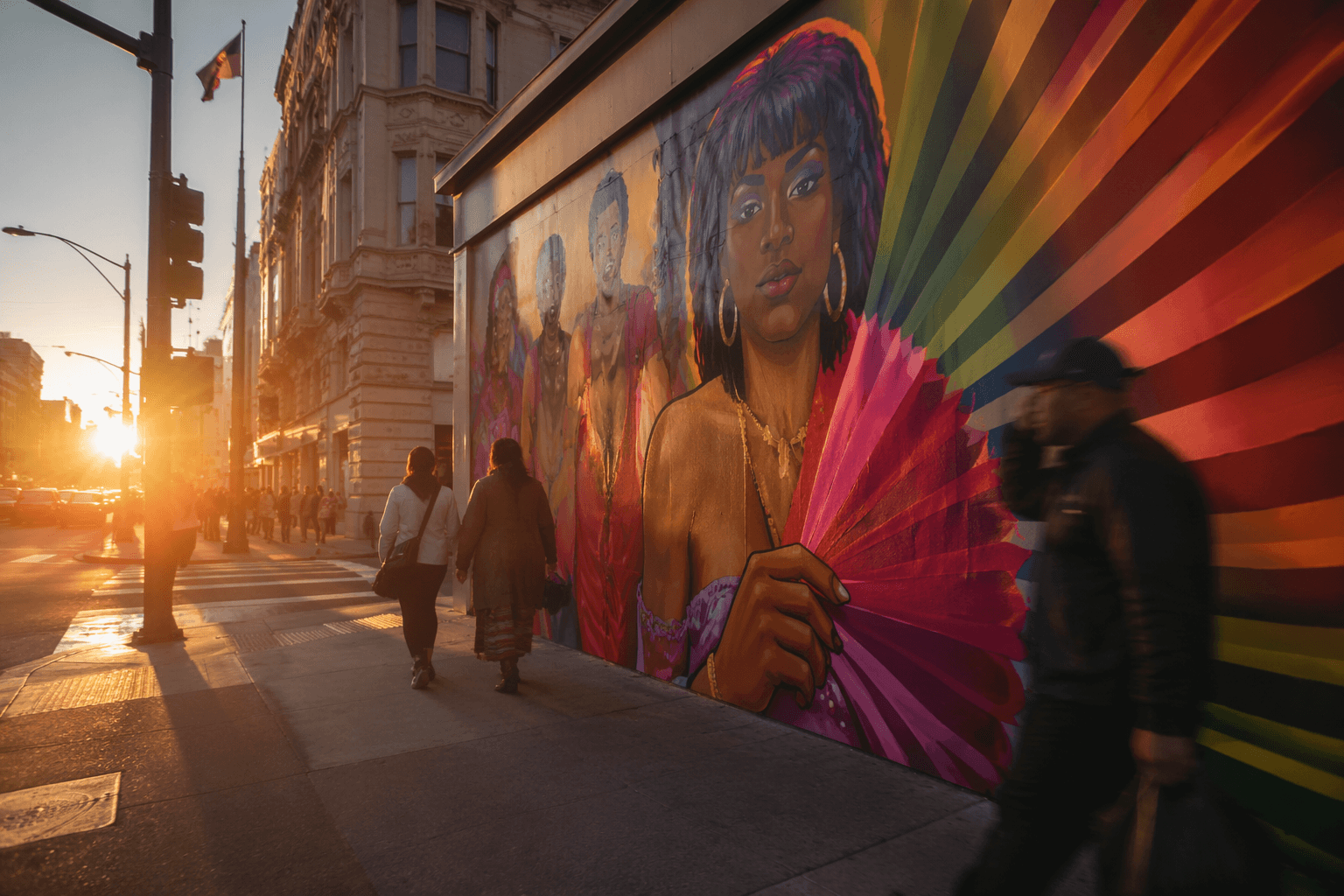
The SF LGBT Center describes its building as a focal point for the city’s LGBTQ community, and says its mission is to connect a diverse community to opportunities, resources and each other. The center serves the broader LGBTQ community and allies through programs and a network of more than 70 nonprofits, making the Market Street site a natural place for a mural meant to speak to both identity and organizing.
DecrimSexWorkCA, which worked with Wischerath on the project, called it the first mural in California led by QTPOC sex worker organizers. Lotus Lain, of DecrimSexWorkCA, said the mural is about celebrating the contributions of queer, trans, BIPOC and sex worker communities. The group framed the reveal as a public act of solidarity, not decoration.
That distinction matters in San Francisco, where the politics of public space have long been tied to labor, policing and whose histories get remembered. Wischerath said the mural was not meant to glamorize sex work, but to make room for communities often pushed to the margins of policy debates and street-level politics.
The city has deep sex worker rights roots. KQED reported in 2024 that Carol Leigh, also known as Scarlot Harlot, coined the term sex work and was central to the movement in San Francisco. A local history source traces the Bay Area’s role even further back, to a 1917 confrontation between sex workers and a Tenderloin church pastor.
Since the mural went up, community members have already begun adding their own messages to it, turning the wall into a living surface rather than a finished object. On Market Street, the question is no longer just what the mural looks like, but which histories San Francisco is choosing to defend in public.
This article was produced by Prism’s automated news system from verified source data, official records, and press releases, then run through automated quality and moderation checks before publishing. The system is built and supervised by the people who set the standards it runs under. Read our full AI policy.
Know something we missed? Have a correction or additional information?
Submit a Tip