New report warns San Francisco Ferry Building faces serious quake risks
A 2024 engineering study found the Ferry Building could partially collapse in a major quake, with its 245-foot clock tower also vulnerable.
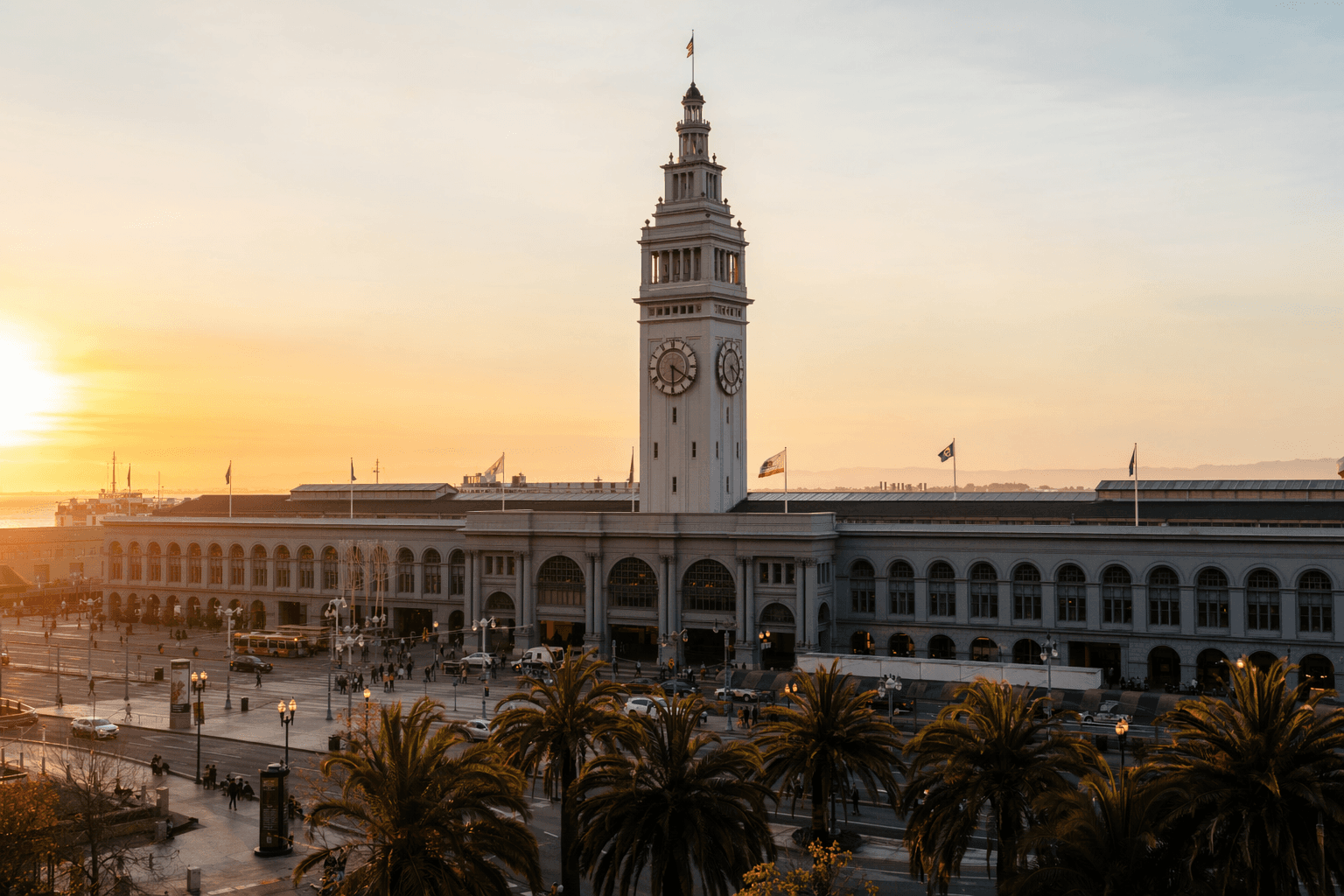
San Francisco’s Ferry Building, the waterfront landmark that greets ferry riders and frames the Financial District skyline, could partially collapse in a major earthquake, with foundation failures threatening the south promenade and back waterfront plaza. The same 845-page engineering analysis found major weaknesses in the building’s 245-foot clock tower, leaving it unstable even in a less severe quake.
The findings land hard because the Ferry Building is not just a preservation problem. The Port of San Francisco describes it as a critical disaster-response location and a multi-modal transit hub, supported by more than 5,000 timber piles driven into Bay mud. The building sits in the historic Yerba Buena Cove area, where deep Bay mud and bay fill make the site one of the waterfront’s highest-risk stretches for shaking and flooding.
The Ferry Building first opened in 1898 and survived the 1906 earthquake, but its current condition reflects more than a century of stress, repairs and reinvention. After the 1989 Loma Prieta earthquake helped spur its restoration, the building underwent a seismic retrofit and rehabilitation from 1999 to 2003. A historical engineering source says it once served more than 50 million commuters a year at its peak, making it one of the busiest passenger terminals in the world.
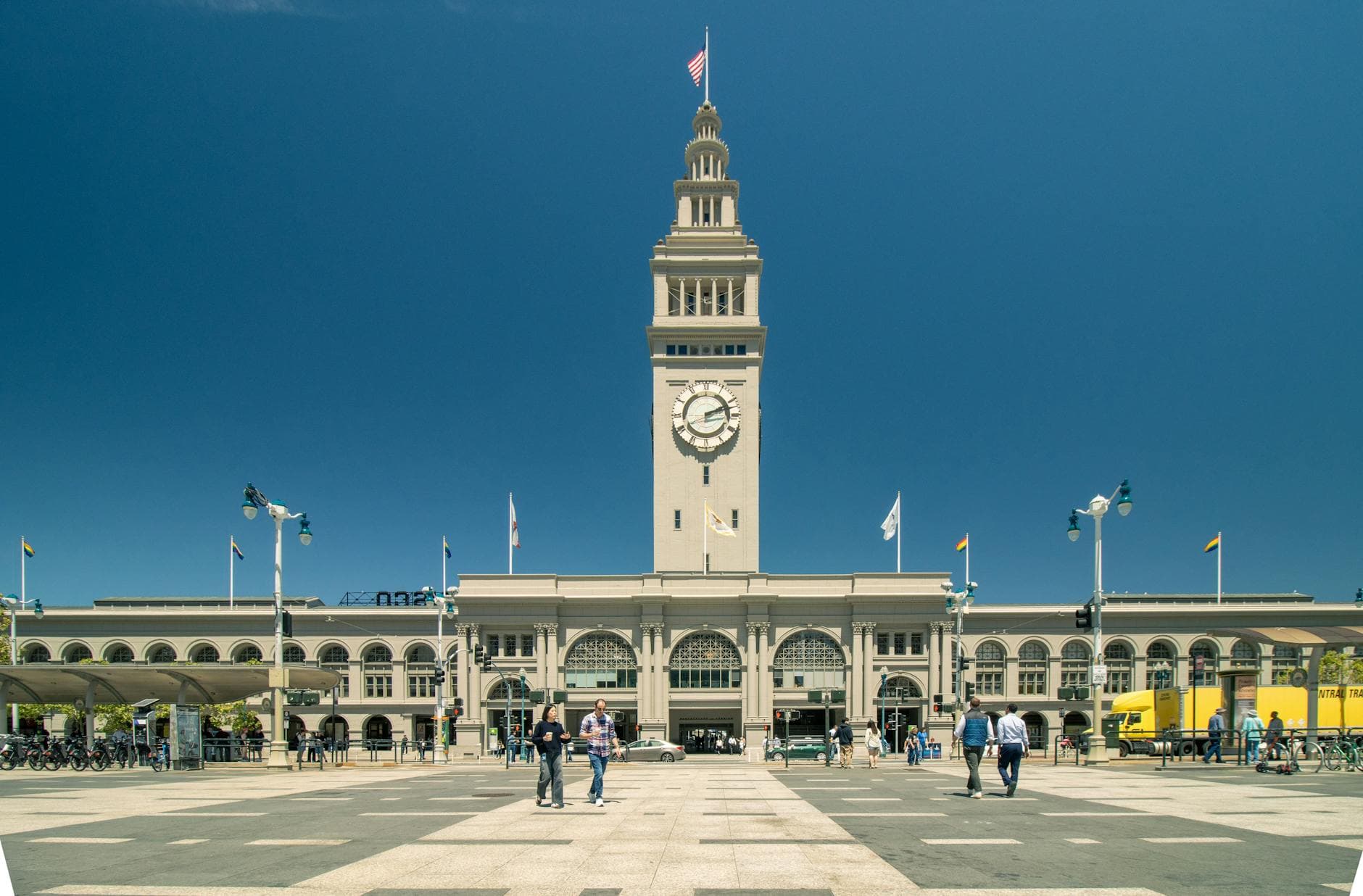
That history explains why the latest warning is so consequential. The Ferry Building is about 315,000 square feet and remains a working ferry terminal, marketplace and transit hub. The Port says it carries residents, workers, visitors and first responders by boat, which means a serious failure there would ripple far beyond preservation, disrupting daily travel and emergency access across the bayfront.
The Port’s resilience materials say the goal is to strengthen the vulnerable seawall and substructure, reduce earthquake damage and improve post-earthquake functionality. Those efforts also tie into future sea-level-rise planning, including the possibility of elevating the building later. The San Francisco Planning Department says the Waterfront Resilience Program includes a U.S. Army Corps of Engineers flood study and work to strengthen the three-mile Embarcadero Seawall against earthquake, flooding and sea-level-rise risks.
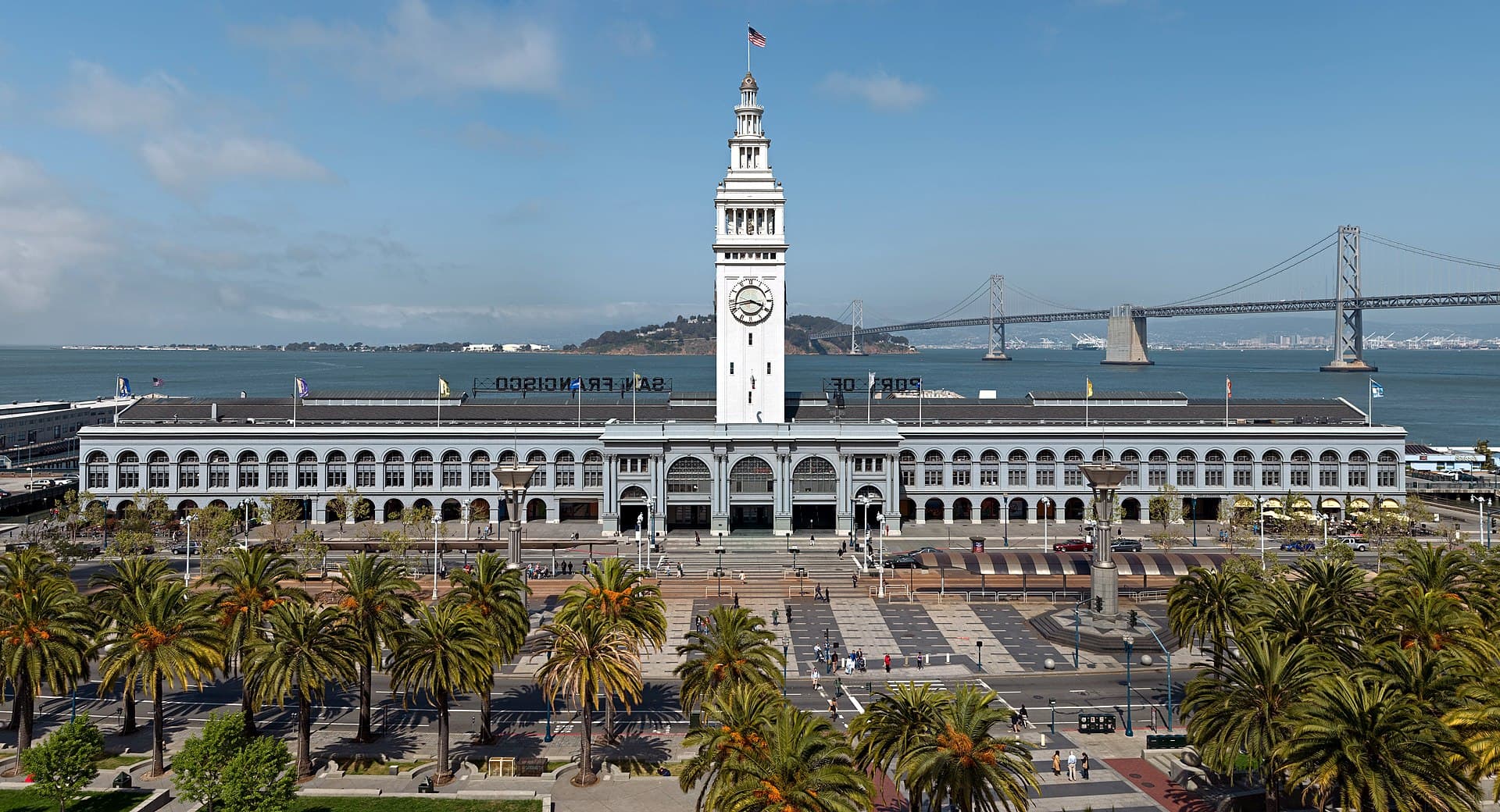
The Ferry Building alterations project also shows how long the issue has been moving through the city’s planning machinery. BCDC documents reviewed in 2024 identified the Ferry Building and adjoining Ferry Plaza as a roughly 5-acre project site. The larger question now is whether San Francisco can protect one of its most recognizable landmarks without compromising the ferry service and emergency functions that make it essential to the city’s resilience when the next big quake hits.
This article was produced by Prism’s automated news system from verified source data, official records, and press releases, then run through automated quality and moderation checks before publishing. The system is built and supervised by the people who set the standards it runs under. Read our full AI policy.
Did this article answer your question?