San Francisco drug arrests surge, but most cases go uncharged
A March sweep at Market and Van Ness led to about 40 arrests, but no charges. The gap is exposing how San Francisco’s drug crackdown is working, or not.
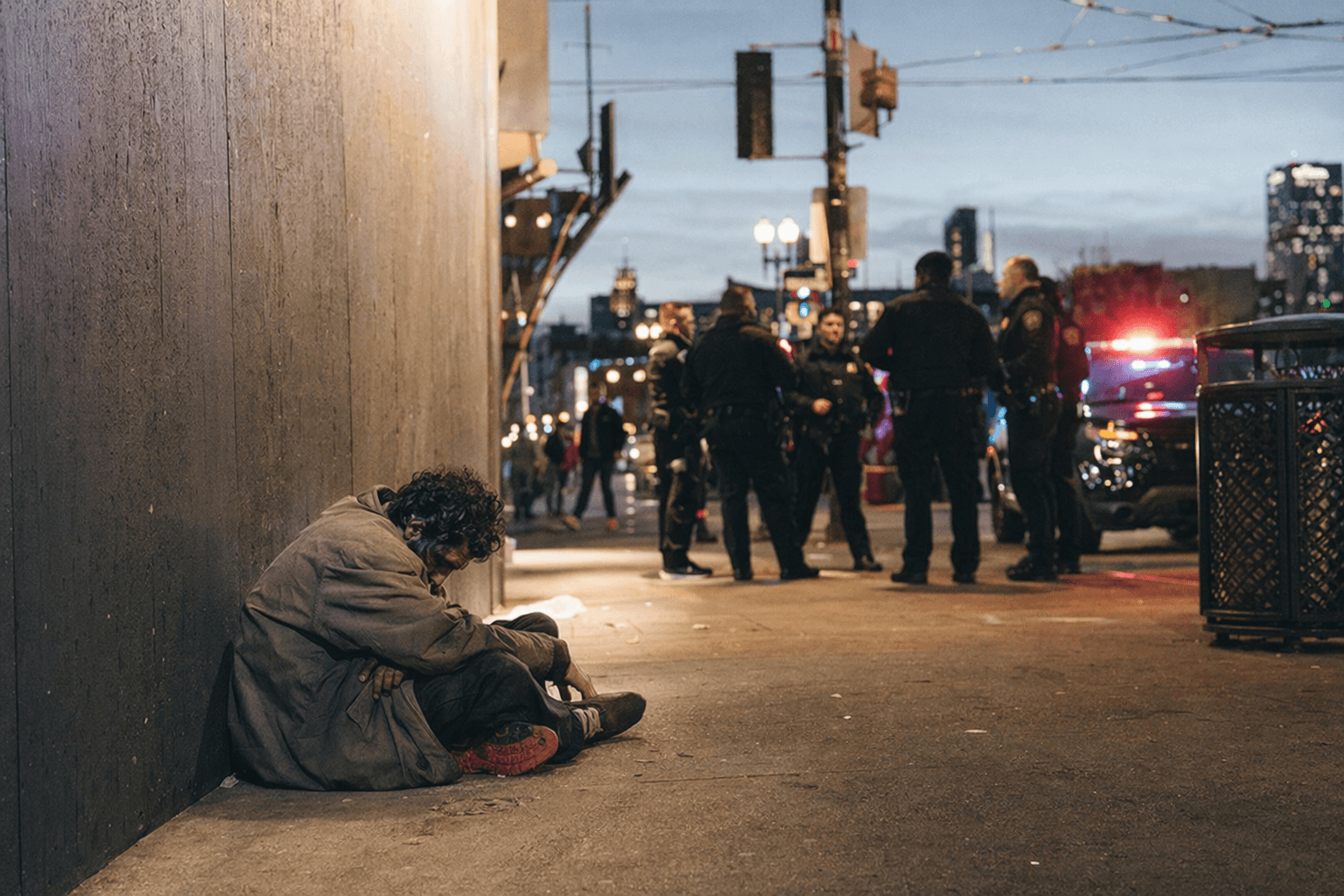
At Market and Van Ness, a March 2025 sweep by San Francisco police produced about 40 arrests. No one had been charged at that point, and the disconnect now sits at the center of the city’s drug enforcement debate: is San Francisco deterring dealers, displacing them, or simply cycling people through a system that cannot turn arrests into cases?
The push began under Mayor Daniel Lurie’s 2025 crackdown on open-air drug markets, with large police operations in the Tenderloin, South of Market and the Market and Van Ness corridor. The San Francisco Police Department says the sweeps are improving street conditions. The city’s Drug Market Agency Coordination Center, a multi-agency task force focused on the Tenderloin and South of Market, tracks arrests and narcotics seizures in a monthly dashboard, including separate counts for drug users arrested and drug dealers arrested under specific California Health and Safety Code sections.
But arrest numbers only tell part of the story. San Francisco District Attorney Brooke Jenkins said her office was meeting with police to explain what prosecutors need to bring cases that can clear the higher burden required in court. UC Law San Francisco professor David Levine has pointed to the basic divide in the system: police need probable cause to arrest, while prosecutors must prove a case beyond a reasonable doubt.

That gap has become more visible as the city’s misdemeanor system has absorbed more drug cases. A May 2025 report said misdemeanor prosecutions in 2024 nearly doubled to 4,192 from the year before. The district attorney’s office reported an action taken rate of 71.30% since the start of 2024, and San Francisco Superior Court said criminal trials were pushing civil trials aside as the docket filled up. The public defender’s research unit said the ramp-up in SFPD enforcement and higher charging rates were flooding the court and jail system, while also limiting access to diversion and restorative justice.
The policy backdrop is older but still shapes the debate. Proposition 47, passed by California voters in 2014, reclassified several drug and property offenses from felonies to misdemeanors. The Public Policy Institute of California later said the law reduced jail and prison populations and produced about $800 million in savings for treatment and diversion programs, and it found no evidence that changes in drug arrests after Prop 47 or the pandemic increased crime.
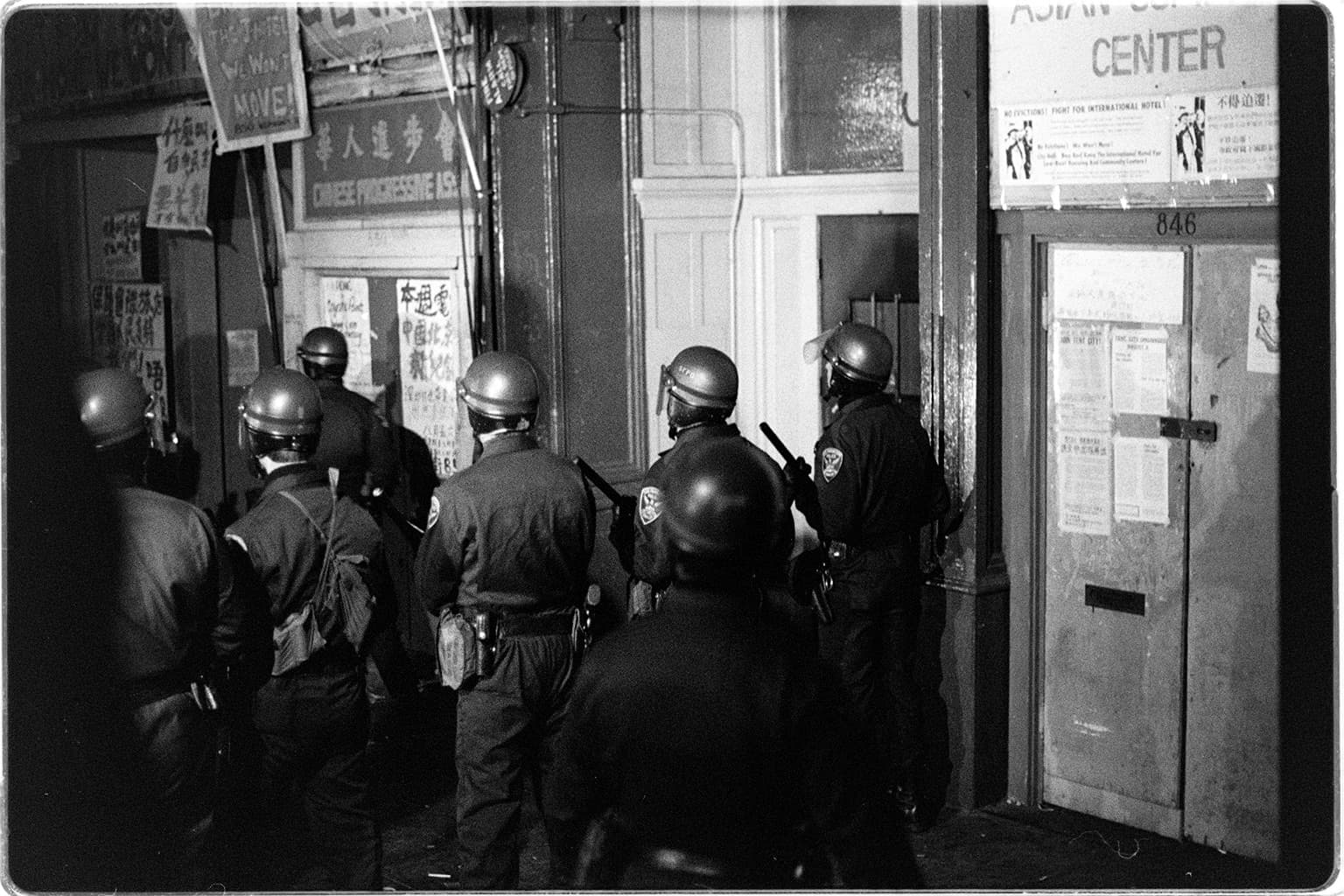
Even with broader crime trends moving differently, San Francisco’s drug problem has not eased. A 2025 analysis found the city’s drug offense rate in the first half of 2025 was 42% higher than in the first half of 2024 and 114% higher than in the first half of 2019. That leaves city leaders with a harder question than how many people are arrested: whether the system is actually moving San Francisco closer to safer streets.
This article was produced by Prism’s automated news system from verified source data, official records, and press releases, then run through automated quality and moderation checks before publishing. The system is built and supervised by the people who set the standards it runs under. Read our full AI policy.
Did this article answer your question?