San Francisco opens voluntary sobering center near Hall of Justice, critics question effectiveness
San Francisco's new RESET Center will start taking clients next to the Hall of Justice, but critics say anyone inside can still walk out after a few hours.
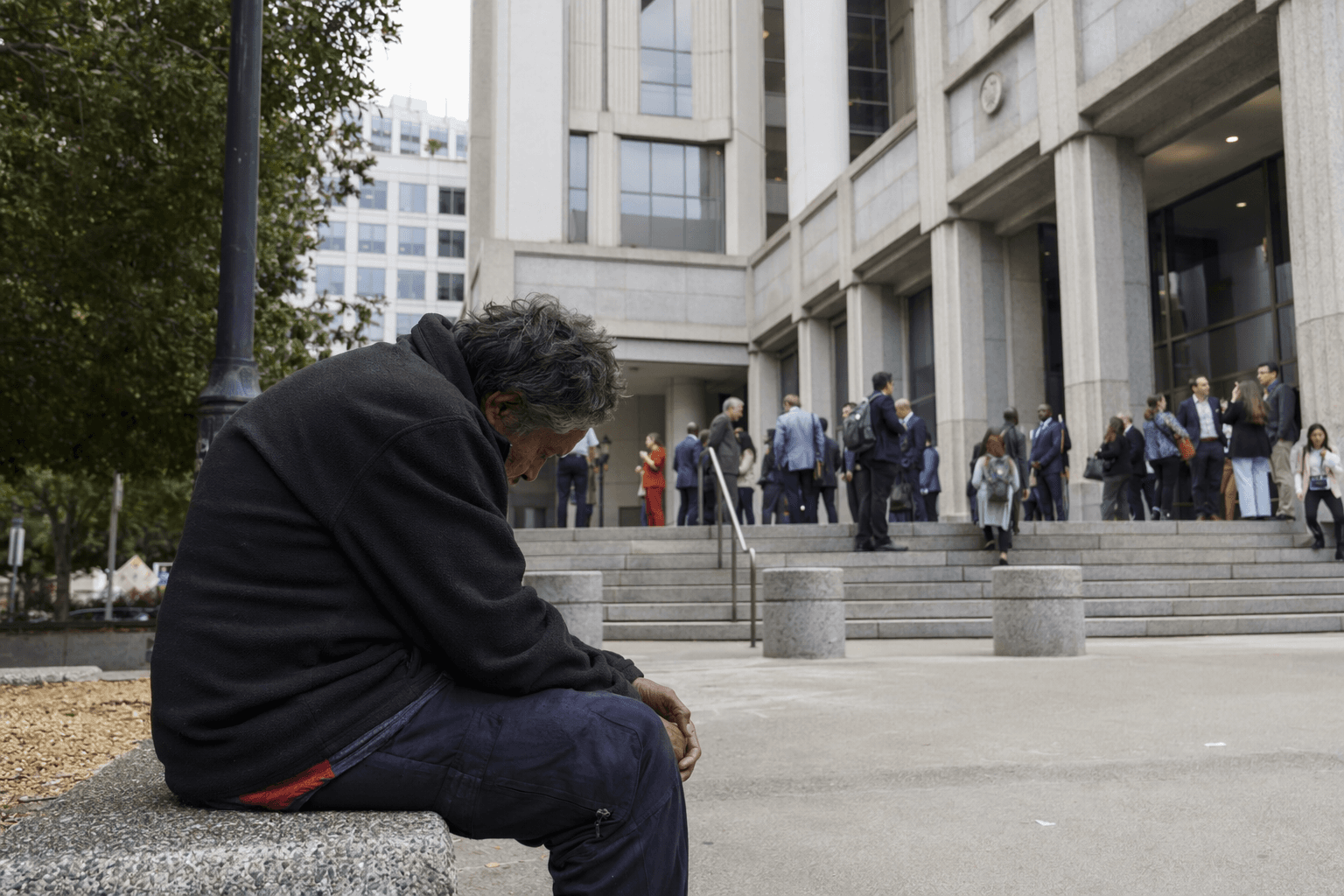
Just steps from the Hall of Justice and around the corner from the jail, San Francisco is preparing a new test of its promise to treat some people instead of booking them. The RESET Center, at 444 6th Street, will begin taking its first clients Monday, May 4, as city leaders try to steer public intoxication arrests in South of Market into a short stay for care rather than a night in custody.
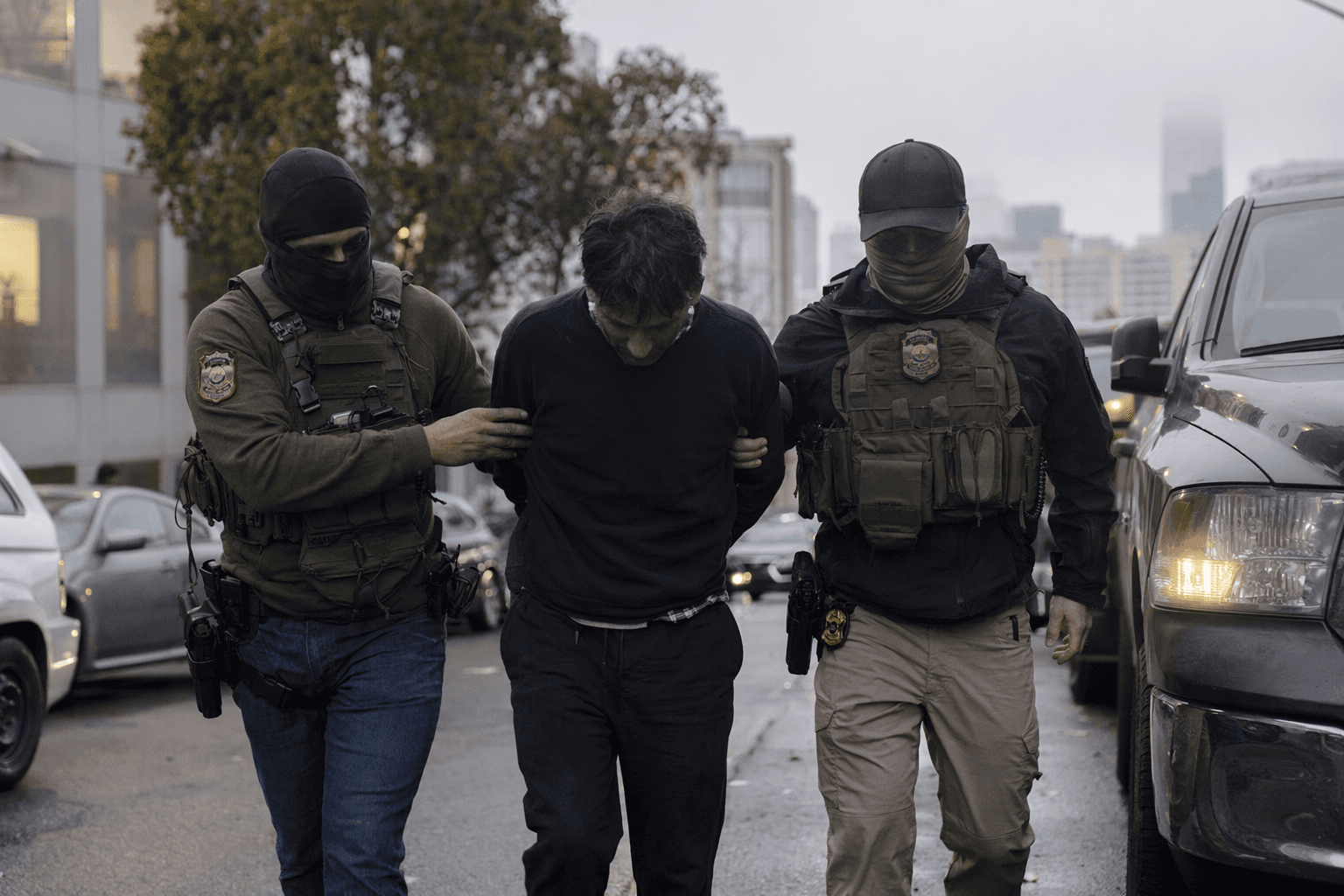
RESET stands for Rapid Enforcement, Support, Evaluation, and Triage. The center is designed as a 24/7, law-enforcement-led alternative to jail or an emergency room for people arrested for public intoxication in District 6. It will have onsite nursing care, social workers and peer support, and officials say it can hold about 25 people at a time for roughly four to eight hours while they sober up. People who accept the RESET Center will not be charged or booked there. Those who refuse can be taken to jail instead.
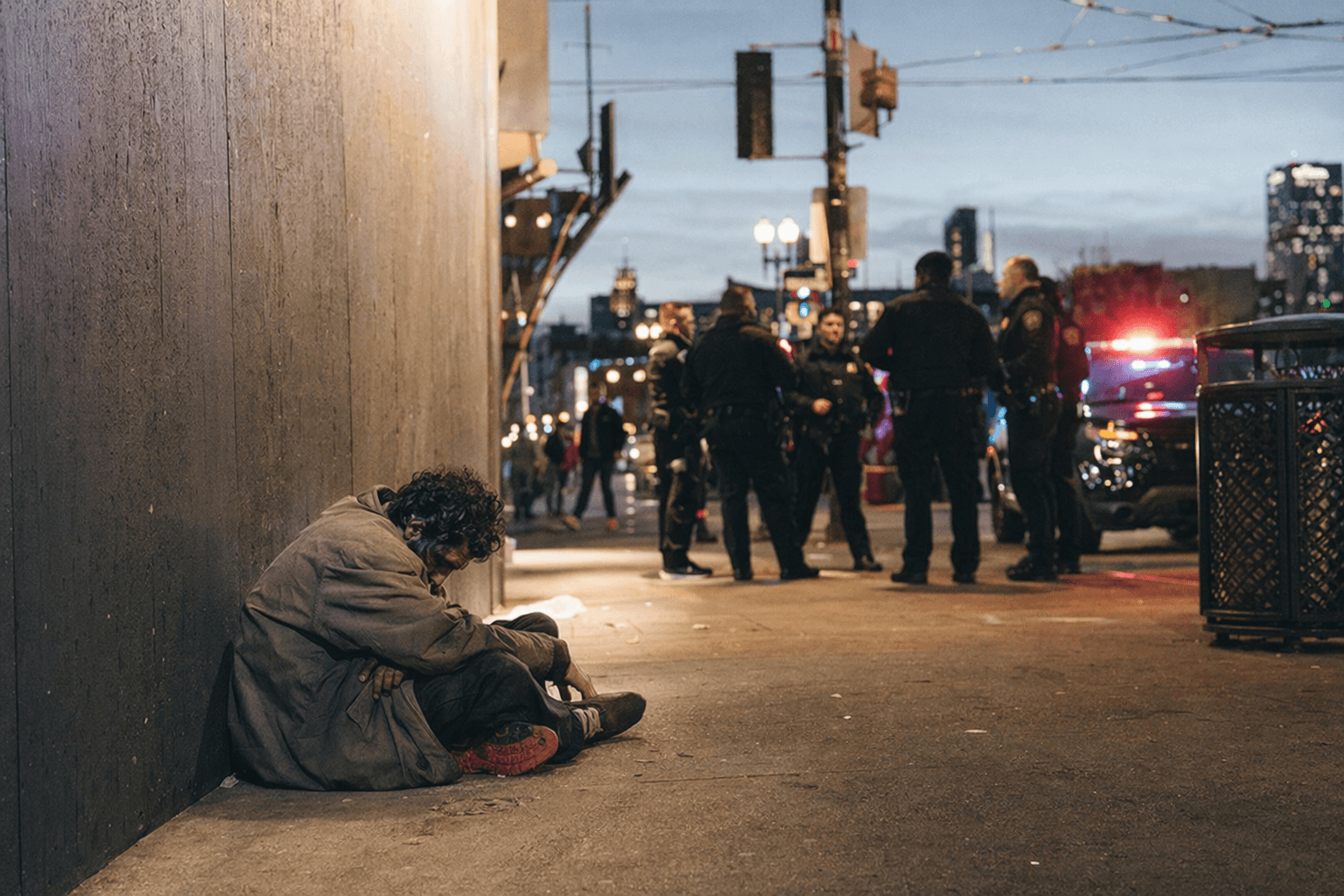
That voluntary design is also the center’s biggest vulnerability. Critics have questioned whether a place people can simply walk out of can meaningfully change street conditions in the blocks around Sixth Street, or do more than temporarily move the problem out of sight. City officials are betting that the answer will depend on who is brought in, how often they stay long enough to stabilize, and whether the site can connect people to treatment before they drift back to the same sidewalks and encampments.
Mayor Daniel Lurie announced the RESET Center on January 7 as part of his Breaking the Cycle strategy, framing it as a shift toward more enforcement paired with treatment. Lurie said the goal was to get people "into recovery" and return officers to patrol more quickly. The center is overseen by the San Francisco Sheriff’s Office, supported by the Department of Public Health and operated by Connections Health Solutions. The pilot is expected to last a little more than two years.

The launch comes after months of scrutiny. A confidential City Attorney’s Office memo warned that the proposed program could run into legal trouble if a court viewed it as an unlicensed detention facility. The Board of Supervisors approved the underlying service contract in February despite those concerns, and supporters including Supervisor Matt Dorsey have called the pilot a major policy shift.
The city is also casting RESET as a follow-on to the 24/7 crisis stabilization center at 822 Geary Street, which officials say has done a better job linking people in crisis to care. The stakes are high: San Francisco reported 621 accidental overdose deaths in 2025, down from 810 in 2023, but still a grim toll for a city trying to prove that treatment can work better than jail. The real measure of RESET will not be the ribbon-cutting, but whether the 25-person center changes what happens on the streets outside.
Know something we missed? Have a correction or additional information?
Submit a Tip