Residents reframe 6th Street through art, photos and neighborhood memory
Residents are using photos, memory and a 3D model to challenge 6th Street’s blight narrative. The June 20 exhibit puts local authorship at the center of SoMa pride and policy.
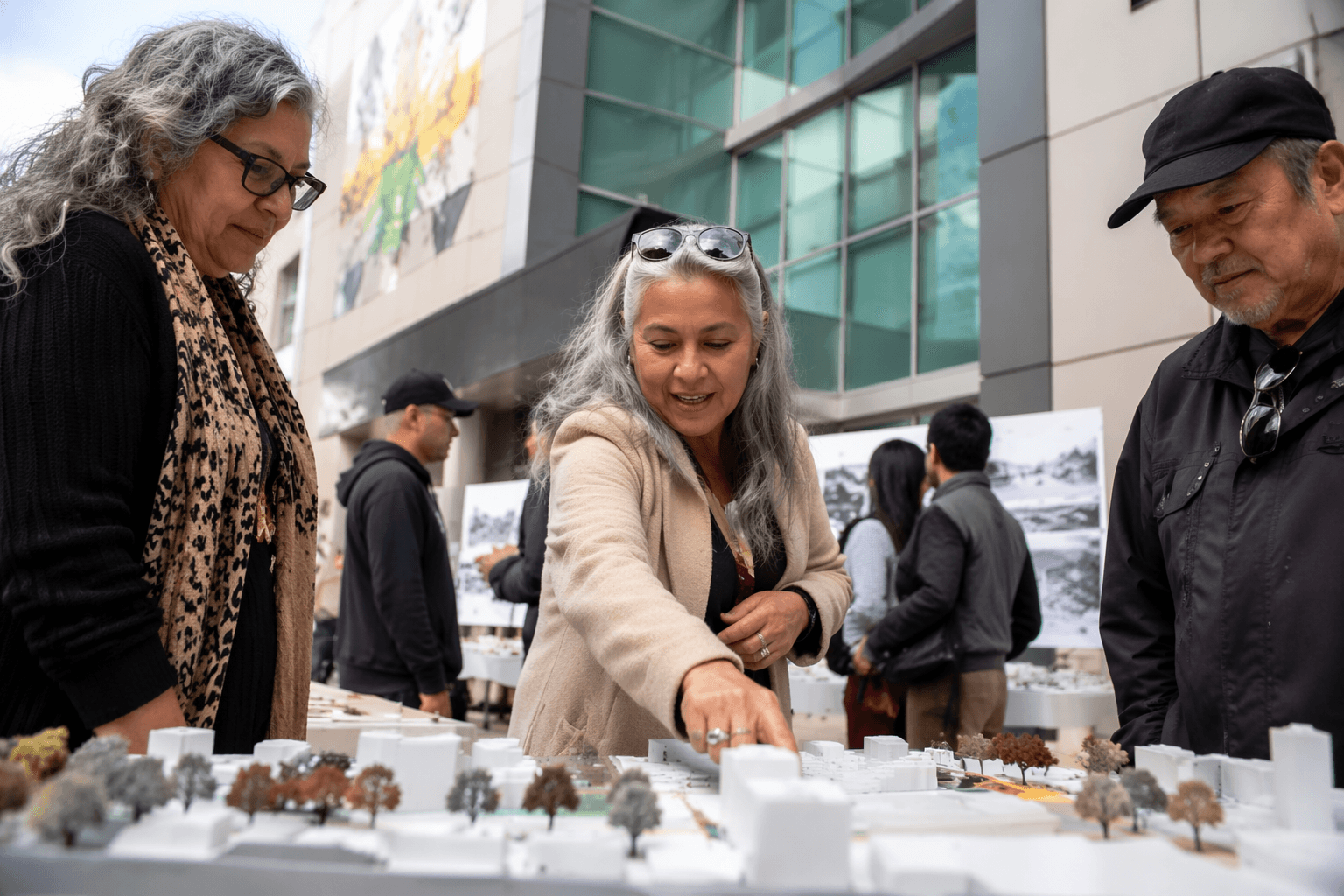
On 6th Street, the fight is over more than a block. It is over who gets to describe it, and whether the people who live and work there can replace the outside story of disorder with one rooted in daily life, memory and care. A new community art project centered on the stretch between Market and Howard streets is asking residents to document what they see, not as a spectacle, but as a neighborhood they know from the inside.
Who gets to define 6th Street
The project grows out of a familiar San Francisco tension: official attention often arrives on 6th Street through the language of blight, while residents experience the corridor as a place of routines, survival and connection. Ivy Jeanne, who walks the block between Market and Howard, says she notices beauty in details outsiders might miss. That perspective is the backbone of the exhibit, which treats local observation as civic evidence rather than sentiment.
The result is a direct challenge to the idea that a place can be understood only through poverty, addiction or disorder. By giving residents a camera, a role in the exhibit and a public platform, the project turns storytelling into a form of neighborhood power. It suggests that what is documented can shape what is protected, funded or policed, especially in a corridor where representation has long influenced how the city responds.
What opens at 6M Community Arts
The exhibit, titled *Sixth Street: Past and Present*, is scheduled to open June 20, 2026 at 6M Community Arts, at 6th and Mission Street in South of Market. It traces the evolution of 6th Street between Market and Howard through archival photographs, resident participation and a 3D reconstruction of neighborhood facades, including Hospitality House. Vanguard Lab and 6M Community Arts are part of the effort, along with other local partners.
ABC7 reported that the project also includes a 3D model built from archival photos and resident-made photography. Residents are borrowing cameras through 6th on 7th Photography Workshop & Gallery and learning to capture the block as they see it now. Kerim Harmanci is identified as general manager of 6M Community Arts, and S. Renee Jones as the gallery’s artistic director, underscoring that this is not a one-off installation but part of an organized arts infrastructure rooted in the neighborhood.
A sanctuary inside a hard block
6M Community Arts describes itself as a program of TODCO’s Community Arts Initiative, with a mission centered on community-first arts and cultural programming grounded in South of Market storytelling. In practice, the space is also a refuge. The report describes 6M as a sanctuary and a harm-reduction space where people can step away from the turmoil outside, catch their breath and think more clearly before making decisions.
Amanda Kanter, a ceramics artist who leads workshops there, says that is part of the point of the space. That framing matters in a corridor where public life is often reduced to crisis management. Here, art is not presented as decoration or distraction. It functions as a stabilizing force, a place where people can organize their thoughts, reconnect with one another and build the confidence to participate in civic life on their own terms.
Housing, support and the arts are linked
The project is tied closely to affordable housing and resident support because TODCO, the nonprofit behind 6M, operates eight affordable housing buildings in South of Market. TODCO’s media manager says the group sees housing as more than a roof over someone’s head, and that idea runs through the arts programming as well. The point is not only to create exhibitions, but to give people tools, education and public space that can strengthen community life.
TODCO’s materials describe its Community Arts Initiative as a way to empower South of Market residents through artistic tools, education, social-engagement spaces and public art projects. That matters in a neighborhood where housing instability, displacement and chronic stress can make cultural participation feel out of reach. By situating art inside housing-oriented community work, the project treats creative expression as part of neighborhood health, not a luxury separate from it.
A longer resident-led tradition on Sixth Street
This month’s exhibit is also part of a much longer thread. TODCO says the 6th on 7th Photography Workshop was founded in 1991/1992, with a public space at 105 7th Street that serves veterans, SRO residents and others seeking creative expression and self-development. The 6th on 7th gallery celebrated its 10-year anniversary on May 4, 2024, and TODCO says the program has been a way to pool resources while emphasizing the psychological-health benefits of artistic involvement.
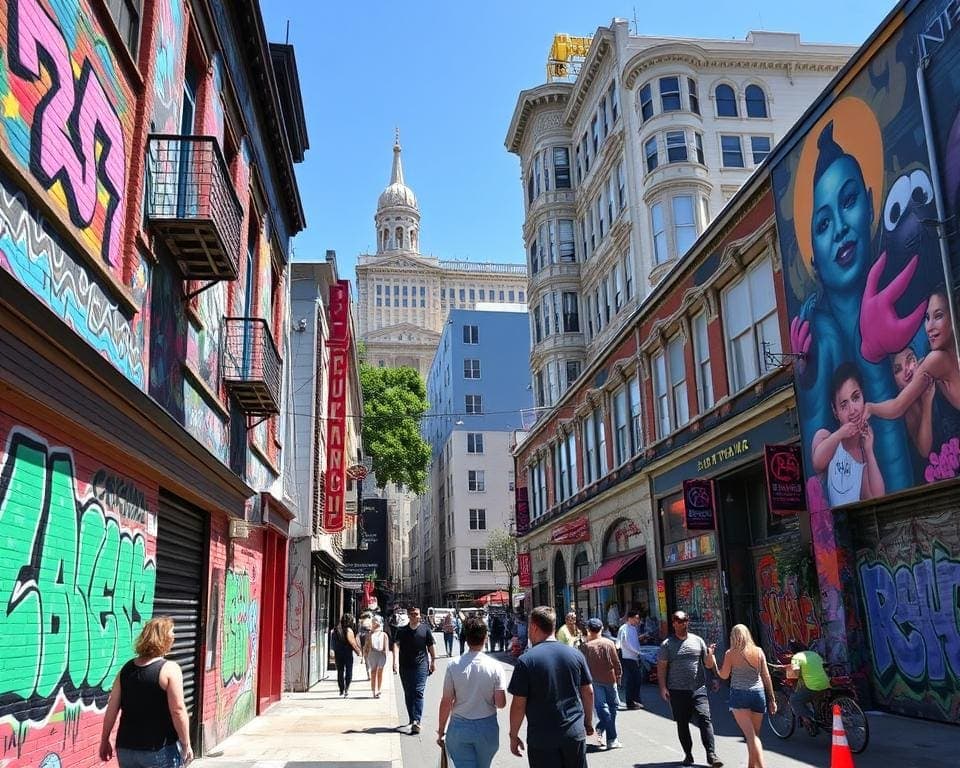
That history helps explain why the current project feels less like a novelty than a continuation. Resident-led photography in South of Market has been building for decades, even as the neighborhood’s arts spaces have come under pressure. TODCO’s 2026 press materials describe Sixth Street galleries as examples of cultural survival, trying to stay rooted even as the area changes around them.
The block carries its own history
The neighborhood memory embedded in the exhibit is not abstract. TODCO says Sixth Street was rebuilt with rooming houses and residential hotels after the 1906 earthquake and fire, and that those SROs housed working-class residents for decades. The InnerCity Home mural on Sixth Street, first completed in 1994, emerged from workshops with future Knox SRO residents and carried a clear message: Sixth Street is home.
That history gives the current exhibit a deeper charge. The recreation of the facade of Hospitality House, which Tina Tutt is helping build, is not just an artistic detail. Tutt moved to San Francisco from Detroit, and the project gives her a way to contribute after a difficult move. Her work, along with the resident photography and archival reconstruction, turns the exhibit into a collective act of belonging.
Why this narrative matters now
The stakes go beyond one opening at 6M Community Arts. If residents can define 6th Street through their own images, memories and built forms, they can also influence how institutions see the corridor. That can matter for policy, policing and investment, because public narratives often shape where the city sends resources and how it justifies intervention.
What makes *Sixth Street: Past and Present* distinctive is not just that it documents a neighborhood. It asks who has the authority to document it. On a block so often flattened into a problem, the project insists on something more durable: dignity, authorship and the right of South of Market residents to tell the story of their own street.
This article was produced by Prism’s automated news system from verified source data, official records, and press releases, then run through automated quality and moderation checks before publishing. The system is built and supervised by the people who set the standards it runs under. Read our full AI policy.
Know something we missed? Have a correction or additional information?
Submit a Tip