San Francisco anti-abortion activist back in court after mistrial
A mistrial sent Anastasia Rogers back toward trial over a Bush Street Planned Parenthood video, and jurors will revisit whether "Unalive them" was protest speech or intimidation.
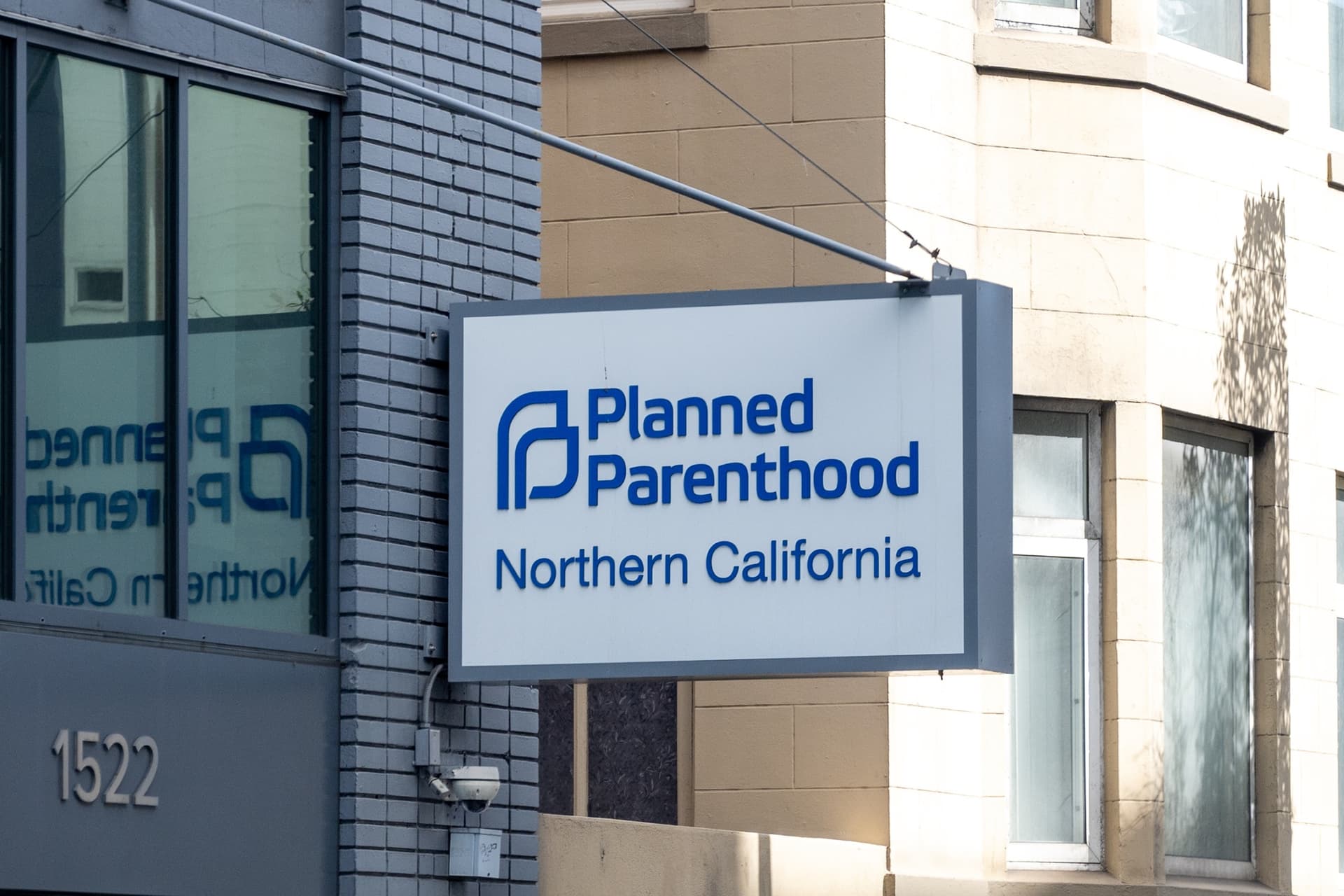
A San Francisco judge has reset the fight over an anti-abortion activist’s social-media post after jurors deadlocked over whether a brief video outside the Bush Street Planned Parenthood clinic crossed into criminal intimidation. The case now heads toward a June 29 pretrial conference and a June 30 retrial, keeping the dispute squarely in San Francisco court.
Anastasia Rogers, a member of the anti-abortion group The Survivors, is charged under California Penal Code section 423, the state law known as the California FACE Act. Prosecutors under District Attorney Brooke Jenkins say Rogers’ Instagram reel, a 13-second or 14-second clip posted in August 2025, paired footage of a clinic escort with the words “Unalive them” and amounted to a threat aimed at reproductive-health workers and volunteers.
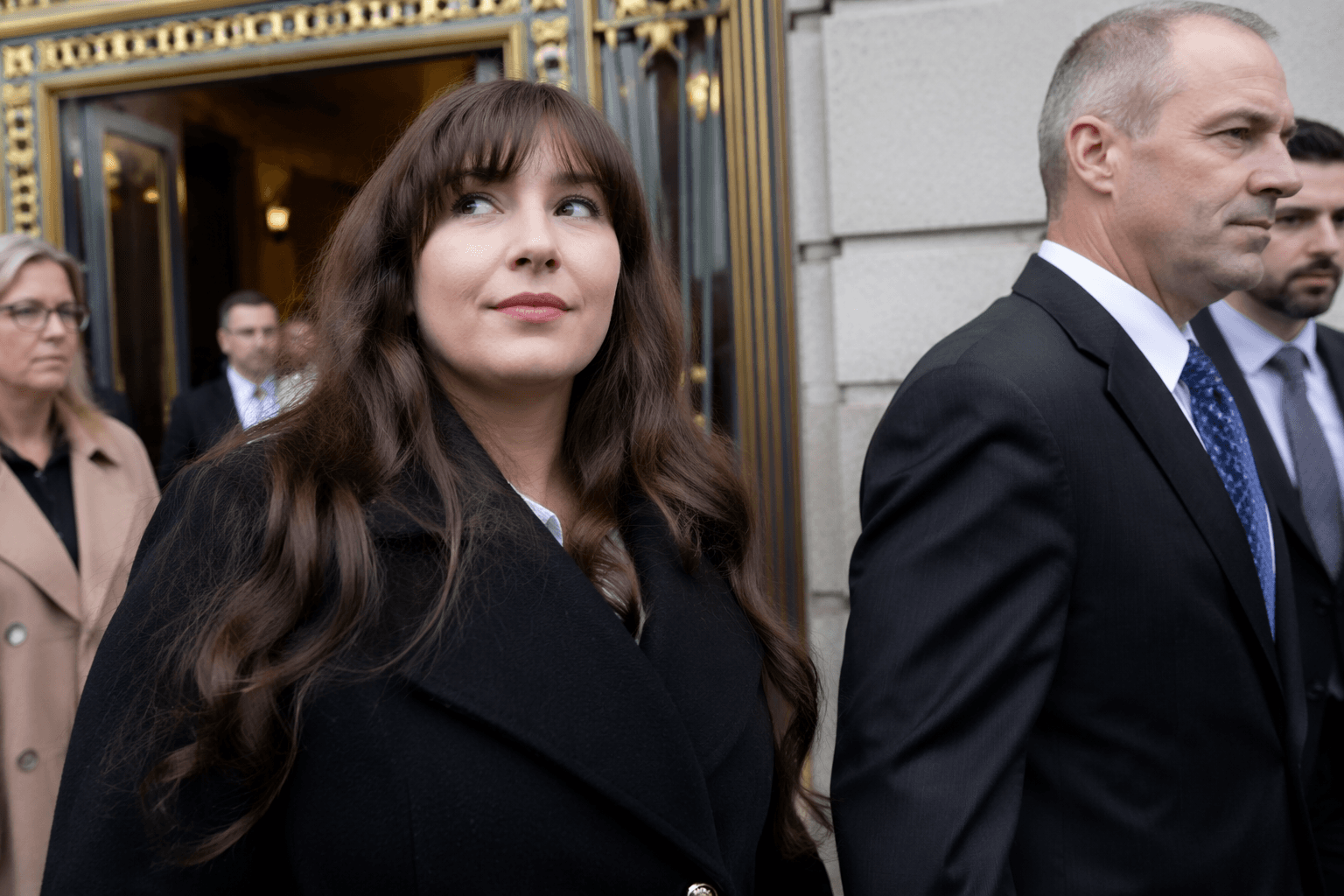
Defense lawyers Allison Aranda and Mike Millen of Life Legal Defense Foundation argue the post was stripped from context and protected political speech. They say the phrase referred to abortion itself, not the escort shown in the clip. Rogers, who was arrested in December 2025 after sidewalk counseling outside the San Francisco Planned Parenthood clinic on Bush Street, is due back before the court as her lawyers press to have the case dismissed before a second trial begins.
The mistrial put a spotlight on the daily pressures around clinic access in San Francisco, where escorts, staff and patients move through a corridor of protests, cameras and online posts that can quickly spill from the sidewalk into the courtroom. California’s clinic-access laws are meant to protect entry to reproductive-health facilities from harassment, threats and fear of bodily harm, which is why prosecutors are treating the post as more than a dispute over abortion politics.

The deadlocked jury left both sides with a familiar San Francisco question: when does protest speech at a clinic become conduct the law can punish? That answer now rests with a new jury, and with a court that will have to decide how far the state’s clinic-protection law reaches when the alleged intimidation comes through a social-media reel instead of a direct confrontation.
This article was produced by Prism’s automated news system from verified source data, official records, and press releases, then run through automated quality and moderation checks before publishing. The system is built and supervised by the people who set the standards it runs under. Read our full AI policy.
Know something we missed? Have a correction or additional information?
Submit a Tip