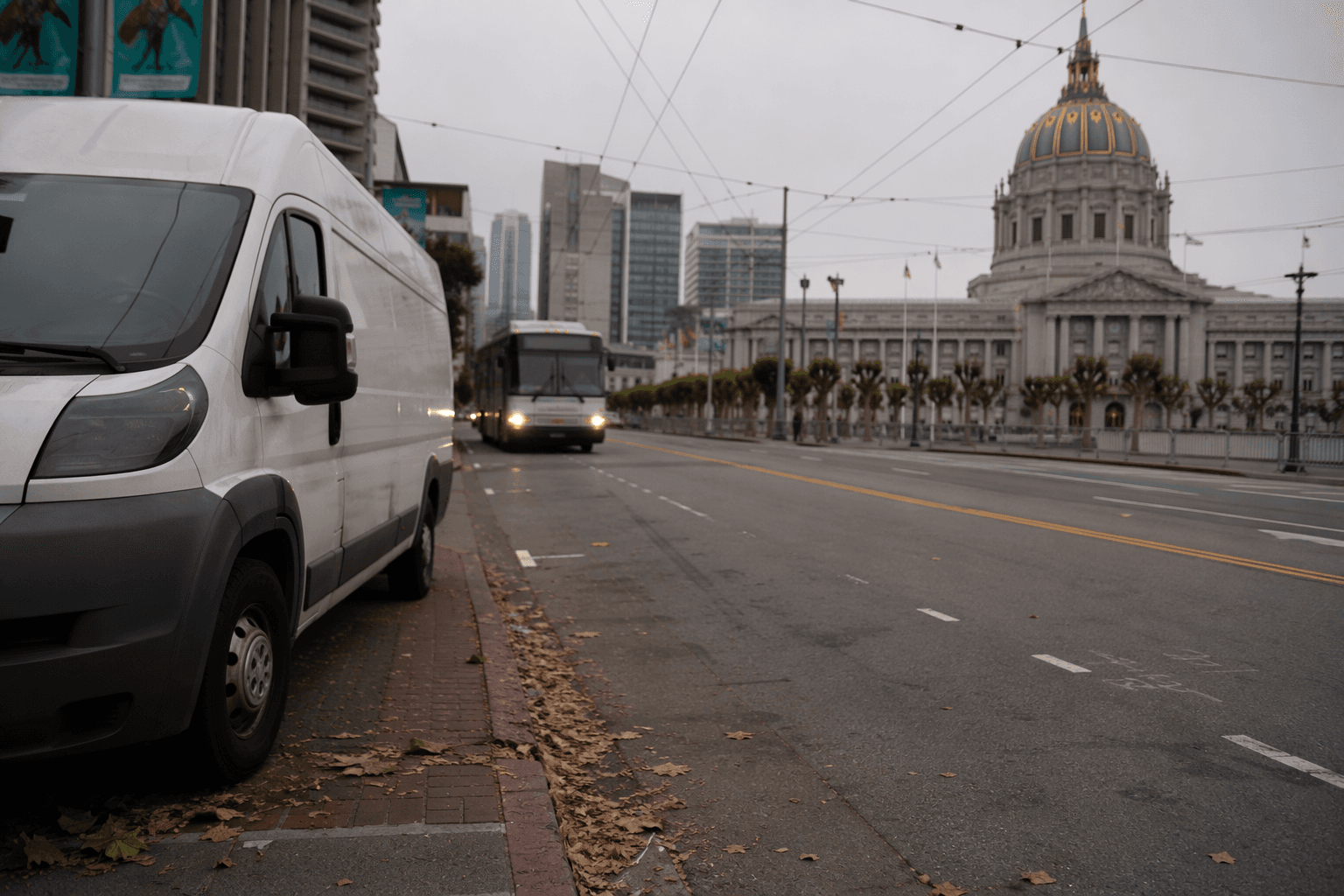
San Francisco approves $16.9 billion budget, closes $642 million deficit
Supervisors approved a $16.9 billion plan that closes a $642 million gap and restores millions for community programs after weeks of pressure from nonprofits and labor groups.
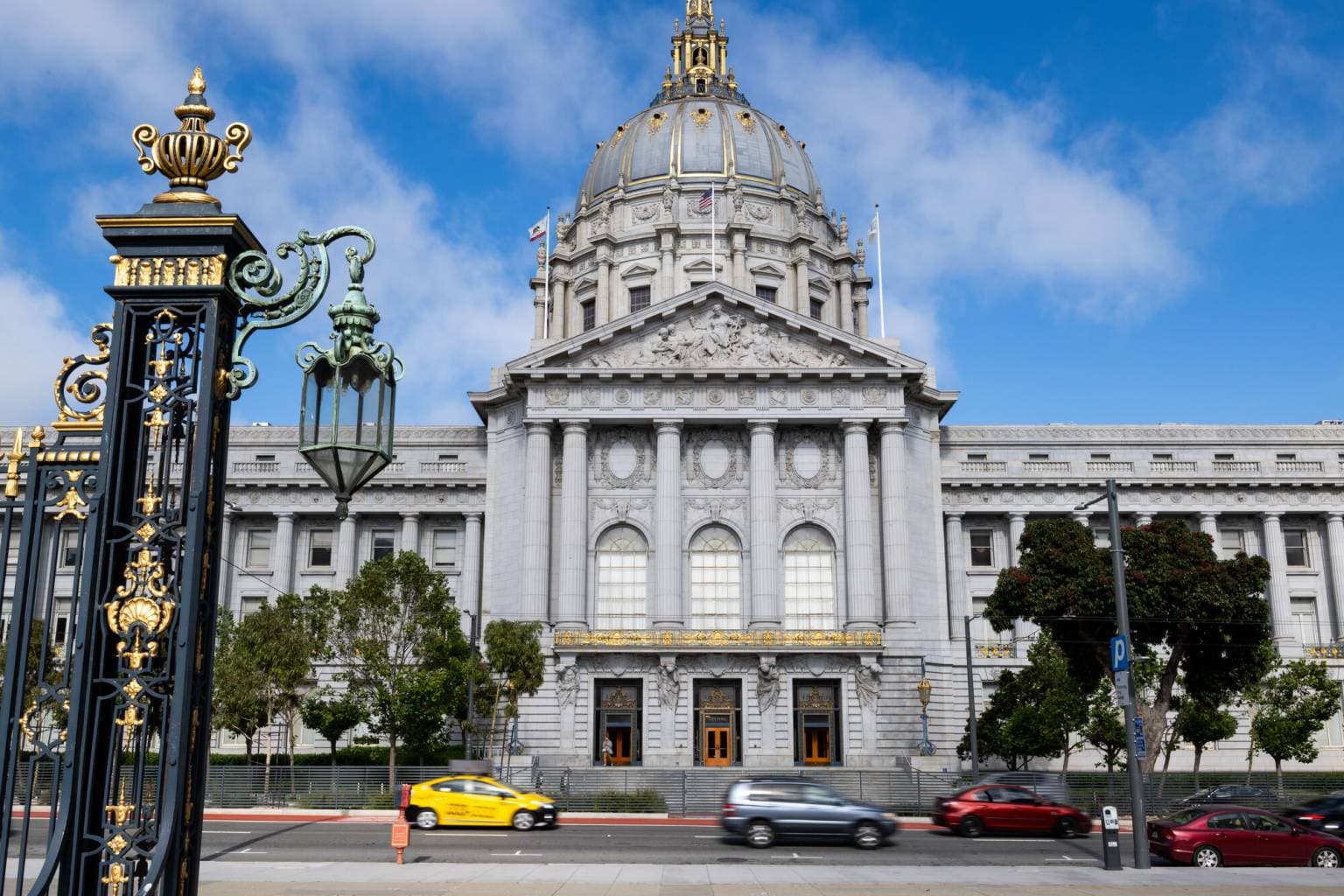
San Francisco supervisors unanimously approved a $16.9 billion budget deal Tuesday, closing a $642 million deficit and steering the city away from the deepest cuts that nonprofits, labor groups and neighborhood advocates had been bracing for. The final package restored millions of dollars in proposed cuts for community programs after unusually quick negotiations between Mayor Daniel Lurie and the Board of Supervisors.
The deal gives City Hall a spending plan for the next two fiscal years and keeps many core services intact, from the social safety net to public safety, parks, libraries and transportation. Lurie cast his proposal as a responsible budget meant to strengthen San Francisco’s social safety net in response to significant federal cuts while also advancing the city’s economic recovery.
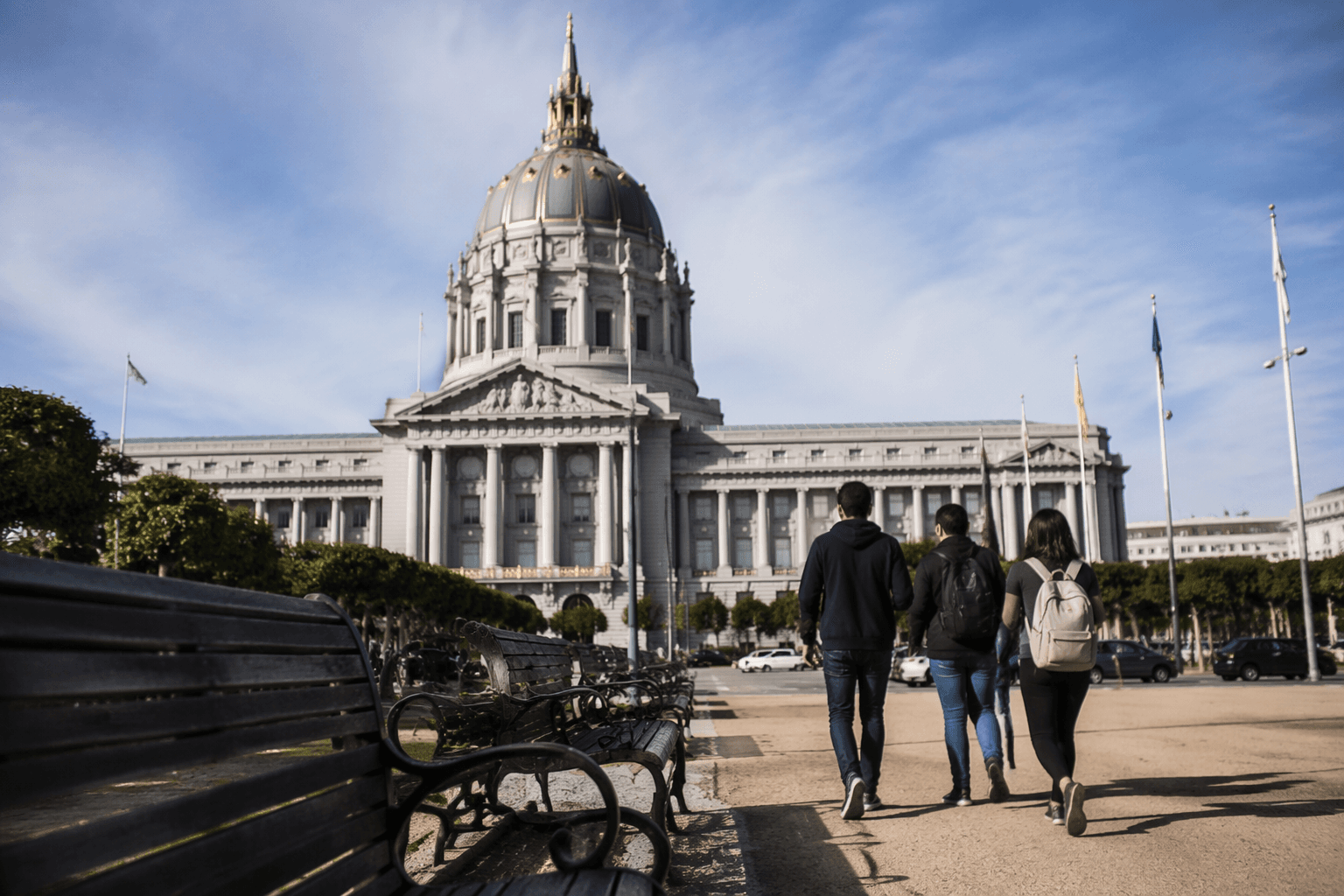
The vote came after the Board of Supervisors Budget and Appropriations Committee had already backed the plan unanimously, a sign that the city’s biggest elected leaders were able to settle the fight before it dragged deeper into the summer. That mattered because the budget had been shaped by months of warnings from advocates that layoffs, service reductions and program eliminations could follow if the city could not close the gap.
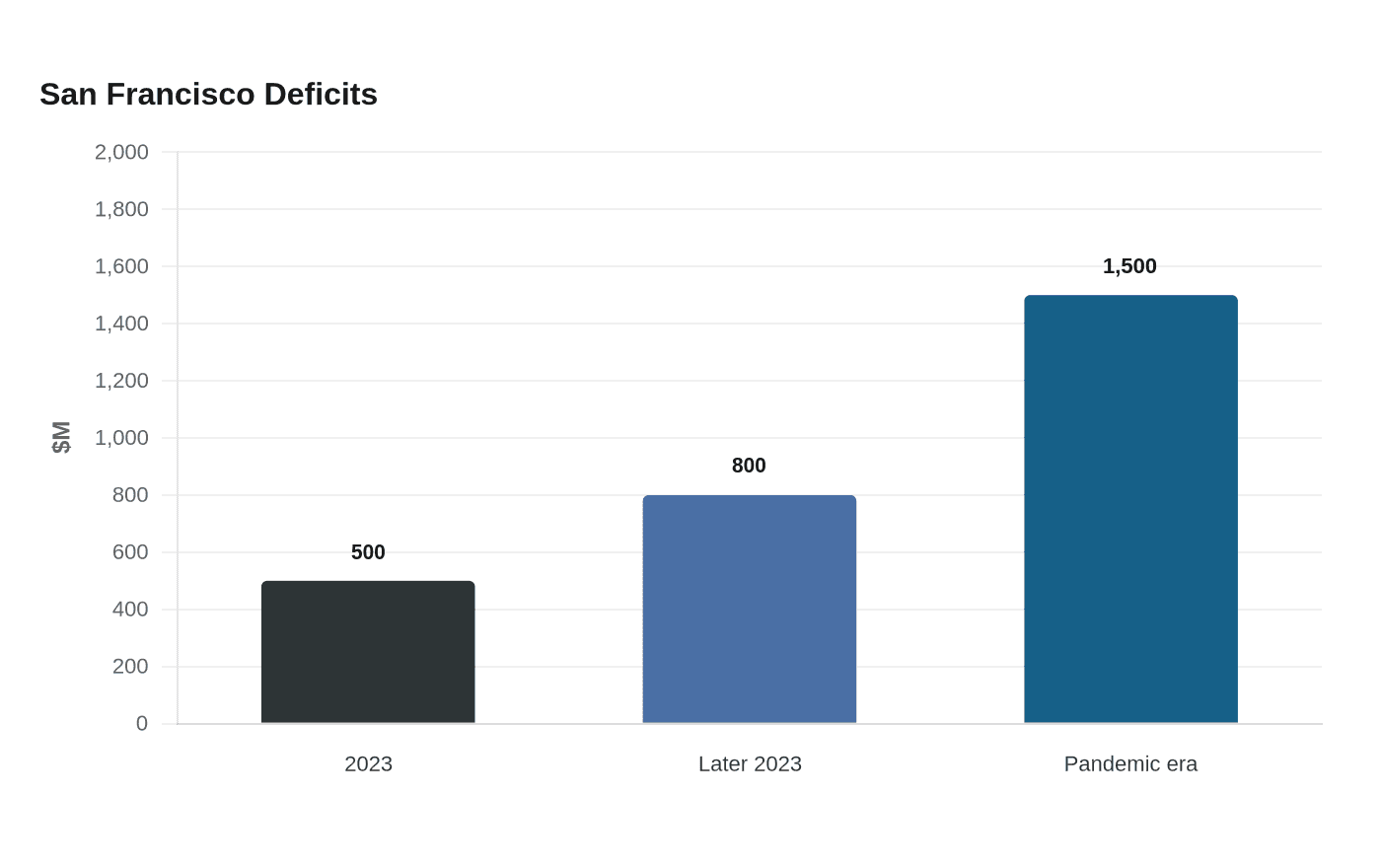
The size of the plan also shows how far San Francisco’s finances have grown in a short time. In 2024, the mayor was proposing a budget near $16 billion; by Tuesday, the city was approving $16.9 billion. The city had faced a roughly $500 million deficit in 2023, then an $800 million deficit later that year, and earlier in the pandemic era supervisors approved a budget that closed a $1.5 billion deficit for the following two fiscal years.
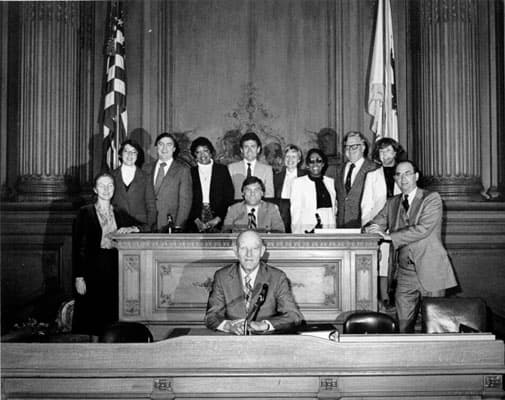
A June 9, 2026 revenue letter from the Controller’s Office shaped the broader FY 2026-27 and FY 2027-28 outlook, while the mayor’s proposed budget book was published March 31, 2026. Those documents underscored how quickly the city’s spending plan had to be rebuilt around slower revenue growth, higher operating costs and the loss of temporary pandemic funding.
For San Franciscans, the immediate question is not the ledger total but what gets kept, what gets trimmed and what takes longer to reach. The approved deal preserved more than many had feared, but it still reflected the pressure of a city that is funding more services than ever while remaining one bad forecast, one costly emergency or one fresh labor demand away from the same fight next year.
This article was produced by Prism’s automated news system from verified source data, official records, and press releases, then run through automated quality and moderation checks before publishing. The system is built and supervised by the people who set the standards it runs under. Read our full AI policy.
Did this article answer your question?