San Francisco Bay Area Mountain Lions Face Hidden Habitat Barriers, Chronicle Data Finds
Bay Area mountain lions are effectively trapped despite living in areas that look like suitable habitat, a Chronicle data project found.
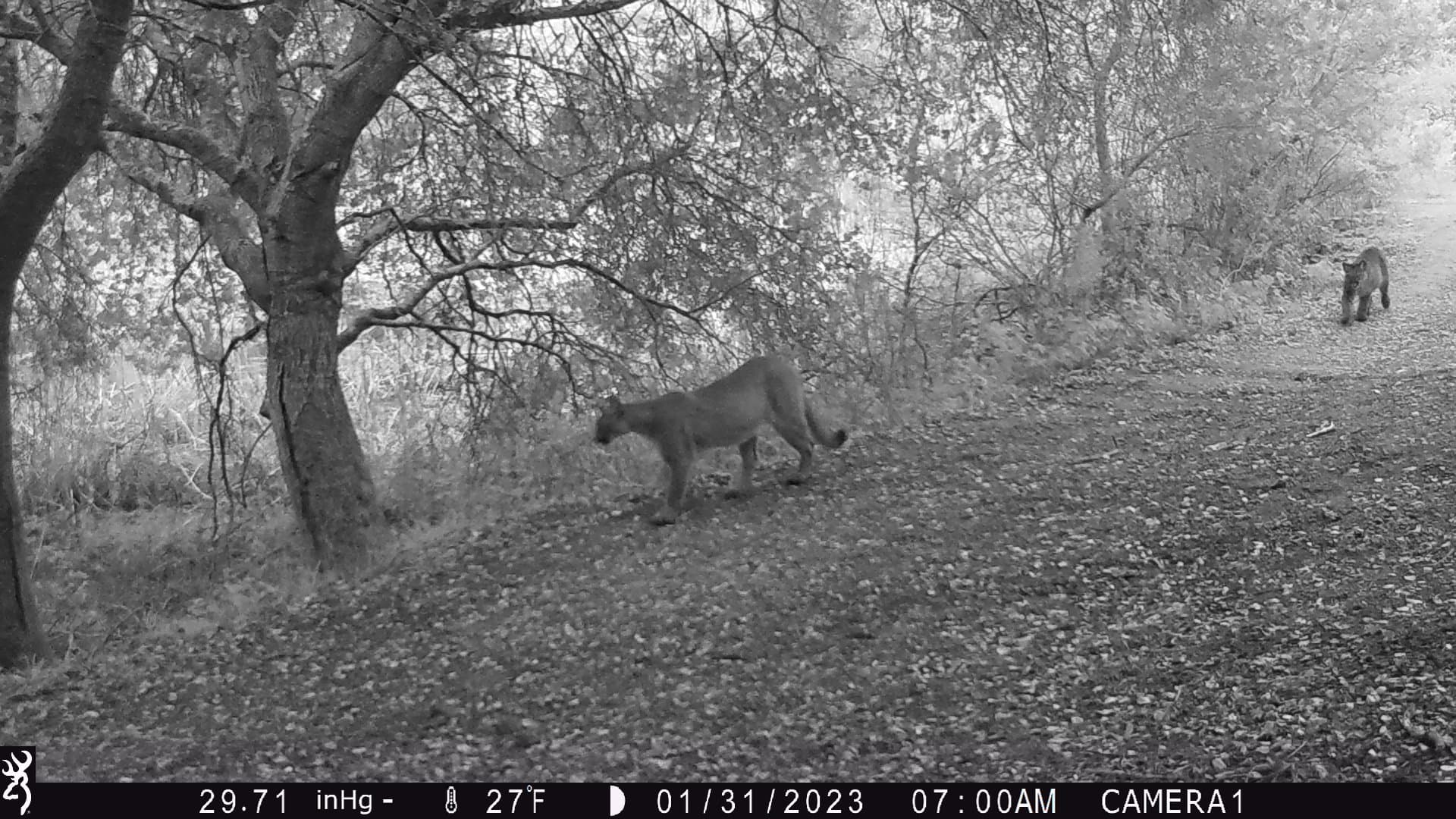
Mountain lions living across large swaths of the Bay Area are effectively imprisoned by the region's freeways and urban development, even in areas that habitat maps designate as viable wildlife terrain, according to a data and reporting project published March 8.
The investigation combined habitat suitability maps with GPS-tracking data to reveal a troubling disconnect: land that looks promising on paper offers mountain lions no practical escape routes. Urban sprawl and highway infrastructure create barriers that prevent the animals from moving between habitat zones, fragmenting populations in ways that standard conservation maps fail to capture.
The findings carry particular significance for the Bay Area's ongoing tension between development pressure and wildlife preservation. Traditional habitat assessments have long guided land-use decisions and wildlife management policy, but the GPS tracking data exposes a critical flaw in relying solely on those maps. An area can score as suitable habitat while simultaneously functioning as an ecological trap, ringed by impassable roads and dense development with no viable wildlife corridors connecting it to larger landscapes.

Mountain lions require vast home ranges and depend on the ability to disperse, find mates, and establish new territories. When infrastructure cuts off those movements, isolated populations face elevated risks of inbreeding, reduced genetic diversity, and local extinction over time. The Bay Area's network of major freeways, including Interstate 280 and Highway 101, carves through terrain that mountain lions would otherwise traverse.
The research adds urgency to ongoing debates in the region about wildlife crossing infrastructure. Proposals for wildlife overcrossings and undercrossings along key Bay Area corridors have gained attention in recent years, but the new data suggests the scale of habitat isolation may be broader than previously understood. For a region that prides itself on proximity to open space and natural landscapes, the revelation that the animals living in those spaces are effectively cut off from one another represents a significant conservation challenge.
This article was produced by Prism’s automated news system from verified source data, official records, and press releases, then run through automated quality and moderation checks before publishing. The system is built and supervised by the people who set the standards it runs under. Read our full AI policy.
Did this article answer your question?