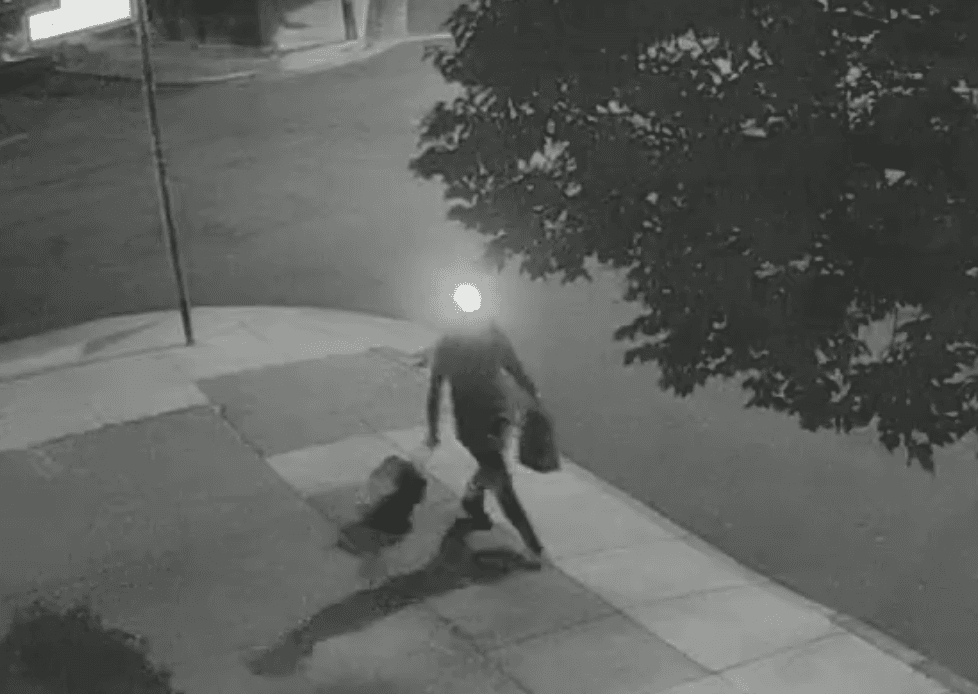
San Francisco debates future of Cesar Chavez murals amid renewed allegations
At César Chávez Elementary on Shotwell Street, a 38-foot-by-180-foot mural still loomed over children as another Mission wall was painted over after new allegations.
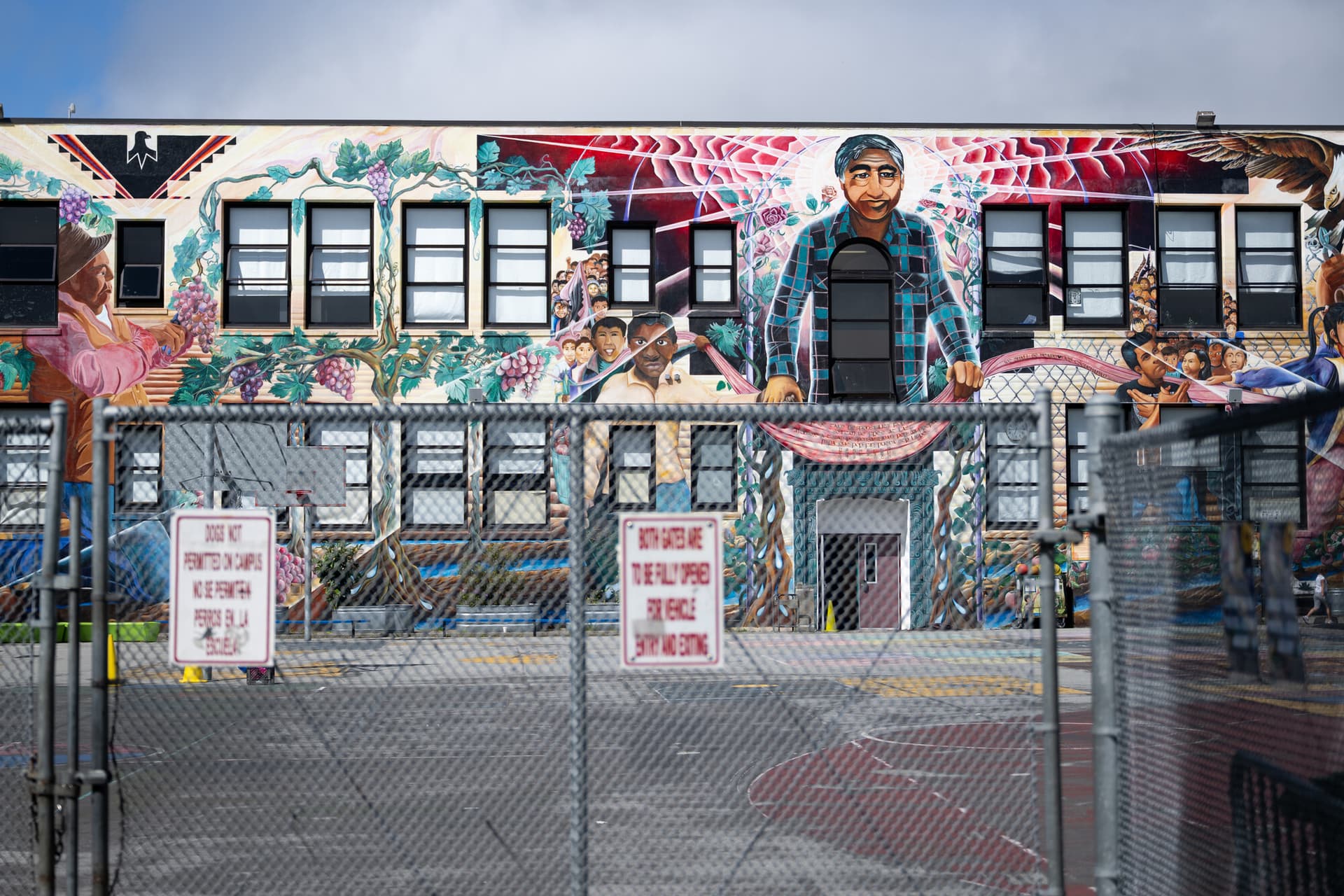
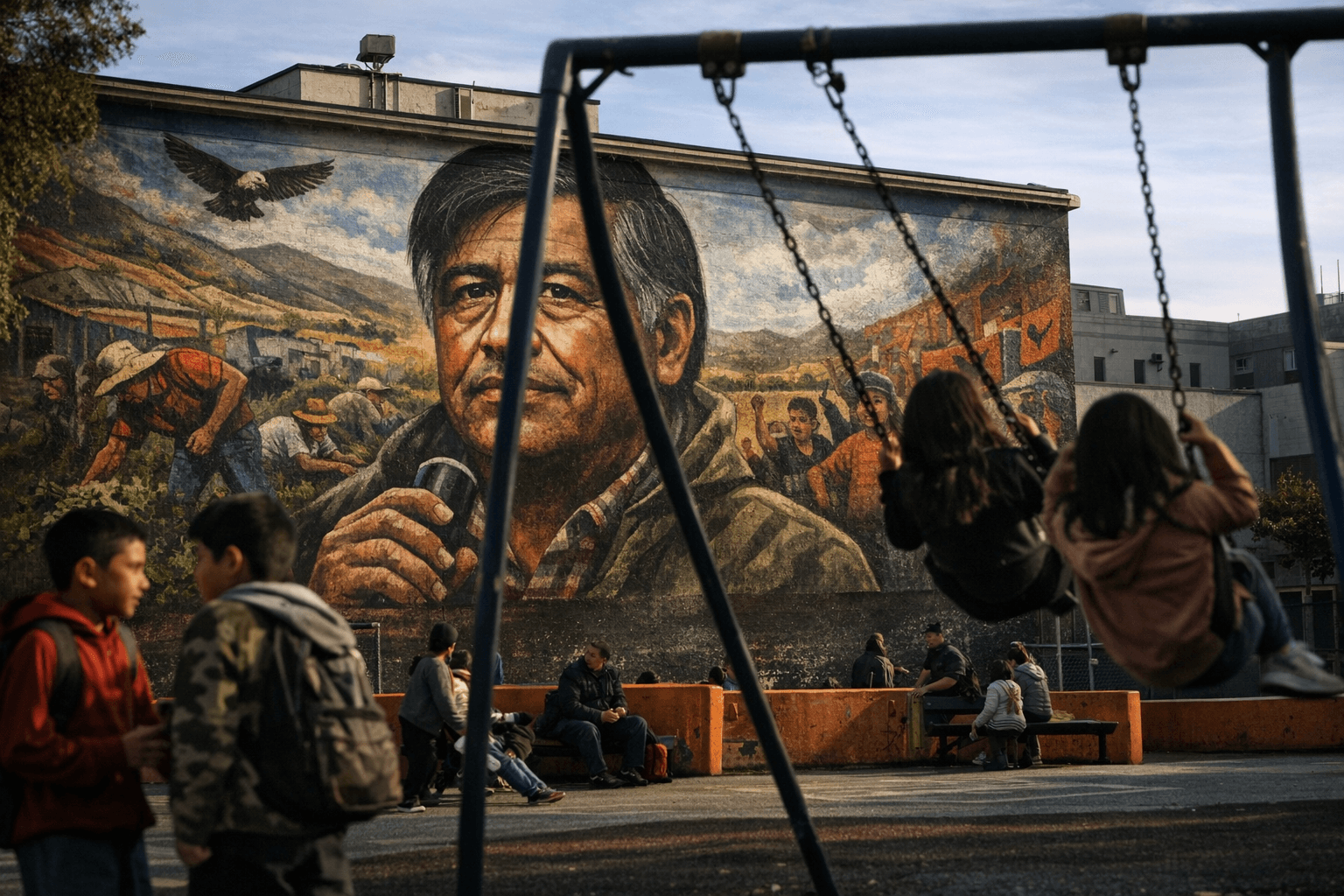
At César Chávez Elementary School on Shotwell Street, children played beneath a 38-foot-by-180-foot mural of César Chávez even as San Francisco reconsidered what the labor icon should mean after new allegations complicated his legacy. The school wall, titled Si Se Puede, stood as one of the city’s most visible Chávez images, and the debate reached far beyond a single neighborhood, stretching from the Mission District to Hayes Valley.
Precita Eyes Muralists identified the 1995 work as a collaboration by Susan Cervantes, Juana Alicia, Elba Rivera, Margo Bors and Gabriela Lujan. The group said the mural was funded by the SF Mayor’s Office of Community Development, WESTAF and the Zellerbach Family Fund, then restored in 2014 with support from San Francisco Unified School District and the Capitol Improvement Fund. SFUSD says the murals at César Chávez Elementary are part of the school’s identity and are meant to reflect the community’s values, including excellence in academic achievement, respect for diversity, and strength in character and personal growth.
The Mission has made the tension visible. At 22nd Street and Mission Street, peeling paint had worn away part of a Chávez mural, including across his eyes, turning ordinary weathering into a new kind of civic comment on memory. Elsewhere in the neighborhood, a mural at 25th Street and York Street was painted over in March 2026 after the allegations became public, showing how quickly public art can change once a revered figure becomes newly disputed.
San Francisco has already tied Chávez to the city’s physical landscape in other ways. Army Street was renamed César Chávez Street in 1995, and the route runs about 3 miles from the Bayview waterfront to Noe Valley. Local reporting has said the last major San Francisco street renaming before the current debate was the 2018 change near City College after Frida Kahlo, underscoring how rarely the city revisits its public symbols.
The larger question is no longer whether Chávez should be remembered, but who gets to decide how that memory is handled. The options now being debated include preserving murals, reinterpreting them, relocating them or removing them altogether. As the United Farm Workers canceled César Chávez Day events and California teachers revised lesson plans, San Francisco’s murals became a test case for how a city manages contested civic memory when the symbol is painted on schoolyards, corner walls and busy commercial corridors.
This article was produced by Prism’s automated news system from verified source data, official records, and press releases, then run through automated quality and moderation checks before publishing. The system is built and supervised by the people who set the standards it runs under. Read our full AI policy.
Did this article answer your question?